









In the evolving landscape of nutritional science, the prevailing wisdom has long suggested that weight loss is the primary catalyst for metabolic improvement. Whether through caloric restriction, increased physical activity, or pharmacotherapy, the focus has predominantly been on the "pounds lost" metric. However, a landmark clinical trial published in the journal Cell Metabolism has challenged this paradigm, suggesting that the "what" of our diet may be just as critical as the "how much."
The study, conducted by researchers at the Washington University School of Medicine in St. Louis, Missouri, reveals that a ketogenic diet offers superior metabolic advantages—specifically regarding liver fat reduction and the reversal of prediabetes—compared to Mediterranean or low-fat diets, even when participants lose the exact same amount of weight.
The Core Findings: Rethinking Metabolic Health
The study centered on 42 adults struggling with obesity, prediabetes, and fatty liver disease. By meticulously controlling dietary intake, researchers were able to isolate the impact of nutritional composition from the impact of weight loss itself.
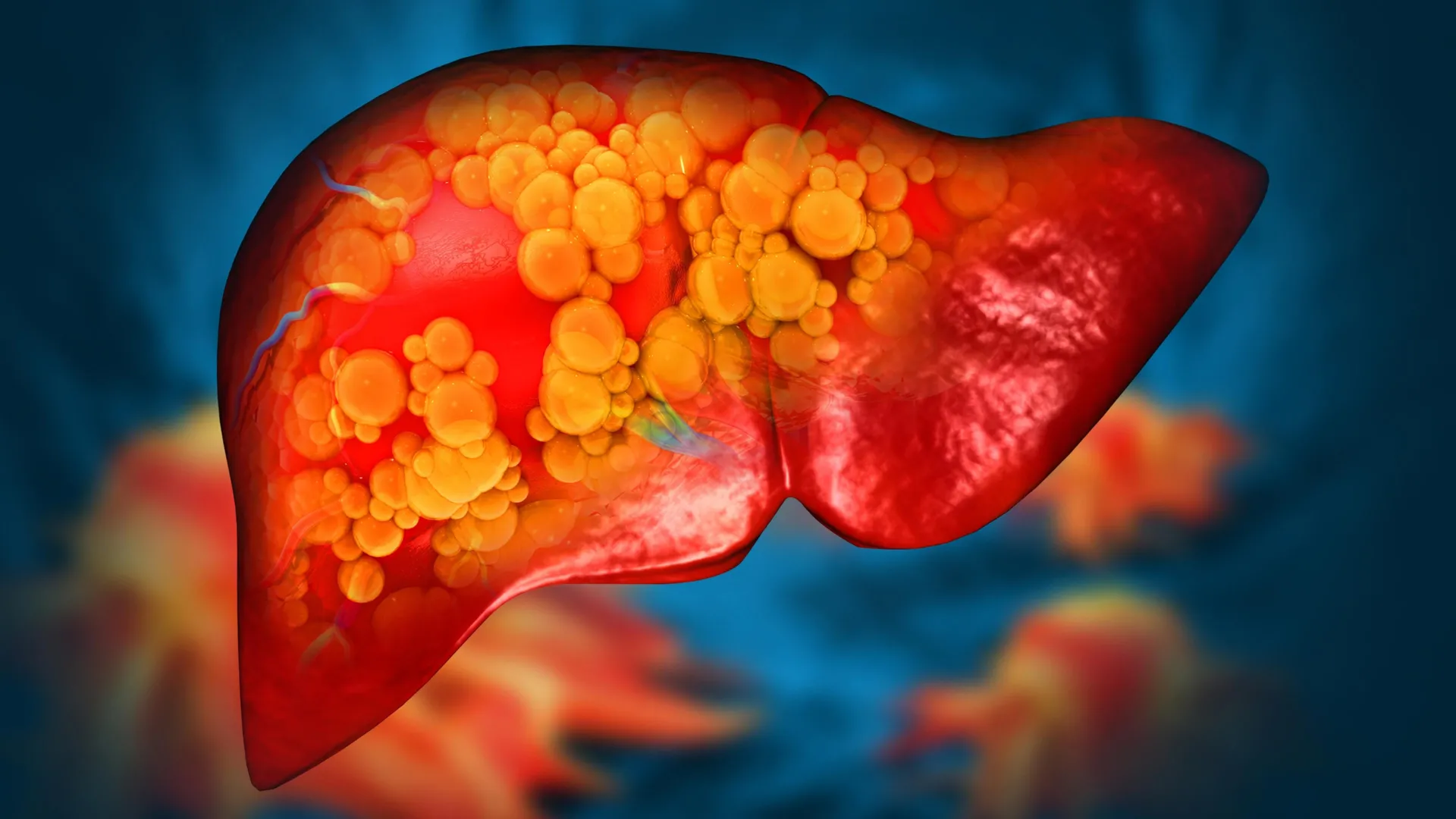
The results were unequivocal: while all three groups—those on a ketogenic diet, a Mediterranean diet, and a low-fat, plant-forward diet—lost approximately 10% of their body weight, their internal metabolic profiles diverged sharply. The ketogenic group, characterized by a diet of 73% fat and only 4% carbohydrates, achieved a 67% reduction in liver fat. In contrast, the Mediterranean and low-fat cohorts saw a 45% reduction. Perhaps most significantly, half of the ketogenic participants effectively reversed their prediabetes status, a milestone reached by only 29% of the Mediterranean group and a mere 7% of the low-fat group.
A Chronological Breakdown of the Trial
To ensure the integrity of the data, the research team utilized a highly controlled environment. The study unfolded over a period of four to five months, providing a clear window into how the body adapts to radical shifts in macronutrient intake.
Phase 1: Recruitment and Baseline Analysis
Researchers selected 42 participants who all shared a clinical profile: obesity, prediabetes (blood sugar levels above normal but below the type 2 diabetes threshold), and fatty liver disease (the accumulation of excess fat in liver cells). At this stage, participants underwent comprehensive blood panels and imaging to establish a metabolic baseline.
Phase 2: The Intervention
The trial was designed to minimize the "noise" of real-world variables. The research team supplied every meal for the participants and facilitated weekly dietitian consultations to ensure strict adherence.
- The Ketogenic Group: 4% carbohydrates, 73% fat, 23% protein.
- The Mediterranean Group: 50% carbohydrates, 35% fat, 15% protein.
- The Low-Fat Group: 70% carbohydrates, 15% fat, 15% protein.
Phase 3: The Weight-Loss Target
Caloric intake was meticulously adjusted for every individual participant. The goal was to ensure that weight loss was uniform across all three groups. It took roughly four to five months for the participants to reach the target of 10% total body weight loss.
Phase 4: Assessment and Data Synthesis
Once the 10% weight-loss goal was achieved, researchers conducted a final round of testing. This included repetitive blood sampling over a 24-hour period to observe the hormonal responses to these specific nutritional profiles, providing the data necessary to explain why the keto group saw such divergent health outcomes.
Supporting Data: The Mechanics of Metabolic Change
The "why" behind the ketogenic diet’s efficacy lies in hormonal regulation. Through continuous monitoring, the researchers identified a distinct shift in the hormones responsible for energy management.
Hormonal Shifts and Liver Function
The ketogenic group showed a significant increase in glucagon, a hormone that regulates energy supply and actively promotes the mobilization and reduction of fat stored in the liver. Concurrently, these participants experienced a substantial decrease in insulin levels.
Insulin is the hormone that facilitates the movement of glucose from the bloodstream into cells. High insulin levels are often associated with fat storage; by keeping insulin levels low through extreme carbohydrate restriction, the body is forced to shift its fuel source from glucose to fat. This metabolic flexibility appears to be the key to the dramatic reduction in liver fat observed in the trial.
The Cholesterol Paradox
One of the most persistent criticisms of the ketogenic diet has been the fear of rising blood lipids, given that the diet is inherently high in fat. However, this study provided a counter-intuitive finding. Despite consuming nearly 75% of their daily calories from fat, the ketogenic participants did not exhibit an increase in blood fat or cholesterol levels. This suggests that for people with obesity and prediabetes, the metabolic benefit of carbohydrate restriction may offset the concerns regarding high dietary fat intake.
Official Responses and Perspectives
The study’s authors, led by Dr. Samuel Klein and Dr. Max Petersen, emphasize that while weight loss is a powerful tool, it should not be viewed as the sole endpoint of metabolic therapy.
"We know weight loss can improve metabolic health in people who are obese," says Dr. Samuel Klein, the study’s corresponding author. "Our data suggest that if you have high liver fat content and prediabetes, reducing carbohydrate intake can have important therapeutic effects on metabolism beyond just weight loss alone."
Dr. Max Petersen, the study’s first author, noted the implications of the findings in the context of modern medicine. "The most surprising finding was that participants in the ketogenic diet group didn’t experience an increase in blood fat or cholesterol levels despite consuming the most fat," he noted.
Furthermore, the team addressed the rise of GLP-1 medications, such as Ozempic and Wegovy, which have revolutionized obesity treatment. "GLP-1-based medications have revolutionized the therapy of obesity," Petersen remarked. "We now have a very effective pharmacotherapy for achieving significant weight loss. But in addition, our study shows that the specific composition of the diet can give you added benefits."
Broader Implications: The Future of Obesity Management
The implications of this study are far-reaching. As roughly 40% of American adults live with obesity, the demand for effective, long-term treatments is at an all-time high.
Moving Beyond "Calories In, Calories Out"
The medical community has long relied on the "calories in, calories out" model of weight management. While this model is mathematically sound regarding weight change, it is physiologically incomplete regarding metabolic health. This study serves as a proof-of-concept that the body’s metabolic "engine" responds differently to various fuel sources. By adjusting macronutrient ratios, clinicians may be able to "program" better health outcomes even before a patient reaches their goal weight.
Precision Nutrition
The results suggest that a "one-size-fits-all" approach to dieting may be outdated. For patients specifically struggling with metabolic syndrome, fatty liver disease, and prediabetes, the ketogenic diet may be a more potent therapeutic intervention than the more traditional Mediterranean or low-fat paths.
A Call for Further Research
While the findings are compelling, the researchers are careful to urge caution. This trial was relatively small—42 participants—and lasted only a few months. Long-term adherence to a ketogenic diet is notoriously difficult, and the scientific community still needs to understand the long-term impacts of such restrictive eating patterns over years or decades. Furthermore, while the study saw 50% of the ketogenic cohort move out of the prediabetes range, this does not equate to a permanent "cure."
Future research will likely focus on larger, more diverse populations to see if these metabolic gains persist and whether they can be sustained outside of a strictly controlled, meal-supplied clinical environment.
Conclusion
The Cell Metabolism study represents a significant step forward in our understanding of how diet influences the body at a cellular level. By proving that a ketogenic diet can induce superior improvements in liver health and blood sugar regulation compared to other diets—independent of weight loss—it provides a strong argument for the role of nutrition as a form of "metabolic medicine."
As obesity treatments continue to evolve, integrating these dietary insights with pharmacological advancements may offer the most robust pathway for treating the metabolic crisis currently facing the United States and the wider world. The message is clear: when it comes to reversing the damage caused by obesity and metabolic dysfunction, the composition of the food on your plate matters just as much as the number on the scale.