










In an era where personal health tracking has moved from a niche hobby to a standard component of daily life, the "data-to-doctor" gap remains one of the most persistent hurdles in modern medicine. While millions of consumers monitor their sleep architecture, heart rate, and respiratory patterns via wearable devices, this information has historically existed in a silo—disconnected from the clinical environments where it could be most effective.
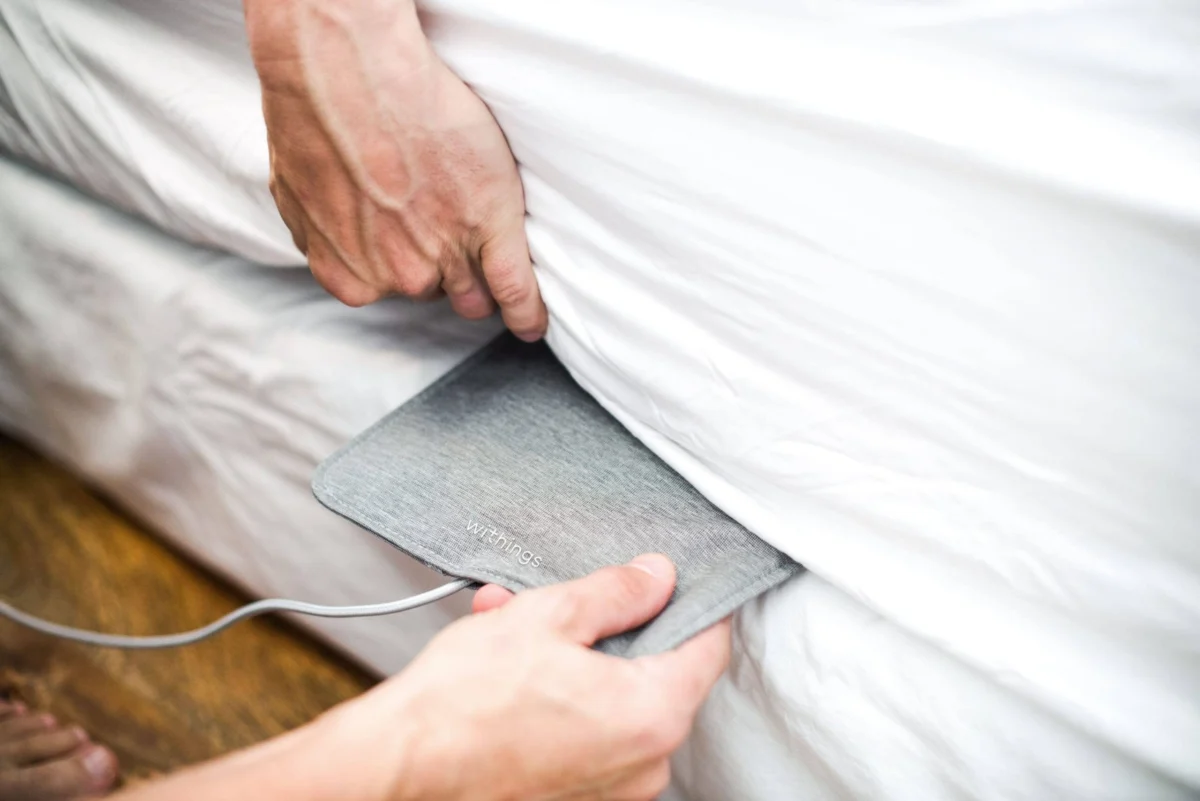
That disconnect is now narrowing. Dreem Health, a pioneering virtual sleep clinic, has announced a strategic partnership with Withings, a global leader in connected health technology. By integrating Withings’ Sleep Mat and ScanWatch data directly into the clinical workflow, the collaboration aims to transform consumer wellness data into actionable medical insights.
The Integration: How Data Becomes a Clinical Asset
The partnership is designed to streamline the patient experience from the moment they recognize a potential sleep issue to the implementation of a personalized treatment plan. For users of Withings devices, the process begins within the Withings mobile application.
Under the new integration, users can navigate to the "Share" tab, where they are prompted to connect with Dreem Health. This feature serves as a seamless bridge: the app automatically pre-fills intake information—including basic biometrics like height, weight, and state of residence—thereby reducing administrative friction.
The core value proposition lies in the transfer of longitudinal data. Patients can securely share up to 14 nights of granular sleep metrics with a licensed Dreem Health provider prior to their initial consultation. This allows the physician to enter the first visit with a comprehensive understanding of the patient’s sleep quality, duration, and potential disturbances. Instead of relying solely on subjective patient recall, which is often colored by fatigue or memory bias, clinicians can base their initial assessment on objective, machine-generated data.
Following the review, the clinician can determine the next appropriate steps. In many cases, this involves ordering a home sleep test (HST) to capture more specific diagnostic data if a sleep disorder—such as obstructive sleep apnea (OSA)—is suspected. From there, a tailored medical action plan is developed, moving the patient from "data-gathering" to "health-improving."
Chronology of a Connected Health Evolution
The trajectory toward this partnership did not happen in a vacuum. It represents the culmination of a multi-year trend in the digital health sector, characterized by the following milestones:
- The Proliferation of Wearables (2010–2018): Withings and other tech companies spent the last decade perfecting the sensors that track sleep cycles, heart rate variability, and respiratory health. During this phase, the challenge shifted from collecting data to interpreting it.
- The Rise of Tele-Sleep (2019–2022): With the rapid adoption of telehealth, virtual clinics like Dreem Health emerged to address the chronic shortage of sleep specialists and the long wait times for in-lab sleep studies.
- The Amazon Integration (2023): Dreem Health made waves in the industry by becoming the first sleep health provider to join the Amazon Health Benefits Connector program, signaling its readiness to operate within large-scale, high-acuity healthcare ecosystems.
- The Current Milestone (2024): The partnership with Withings marks the transition into "connected care," where the distinction between the "quantified self" (consumer tech) and "evidence-based medicine" (clinical care) is effectively dissolved.
The Clinical Necessity: Why Sleep Data Matters
Sleep apnea affects millions of adults globally, yet it remains significantly underdiagnosed. The symptoms—daytime fatigue, irritability, and cognitive decline—are often dismissed as common side effects of a busy lifestyle.
"Sleep apnea is one of the most common and most treatable conditions we see," notes Laurent Martinot, CEO and founder of Sunrise, a partner in the Dreem Health ecosystem. "Withings users already have weeks, if not months or years, of insight into how they sleep. This partnership shortens the distance between ‘something might be off’ and ‘here’s what’s going on and what to do about it.’"
By utilizing data that spans weeks, doctors can identify trends that a one-night in-lab study might miss. For instance, a person’s sleep patterns may vary significantly between weekdays and weekends, or they may exhibit signs of respiratory instability only on specific nights. This long-term view allows for a more nuanced diagnosis, preventing the "snapshot" errors that can occur when a patient is observed in an unfamiliar clinical setting.
Official Perspectives: A Unified Vision
The executives behind this partnership emphasize that this integration is not about adding more noise to the healthcare system, but about adding clarity.
Eric Carreel, CEO of Withings, has been a vocal proponent of the idea that technology must serve a higher purpose than simple data visualization. "Withings has spent over a decade making health data effortless to collect, but data alone doesn’t change lives. Action does," Carreel stated in a press release. "Our partnership with Dreem Health brings the sleep data our users already collect into a real clinical conversation. That’s what connected health was always supposed to be: not a dashboard, but a doorway."
This "doorway" analogy is critical. Many consumers own health trackers but have no idea how to discuss the findings with their primary care physicians, who are often time-constrained and unfamiliar with the proprietary algorithms of specific wearable brands. By standardizing the format in which this data is shared with Dreem Health providers, the partnership ensures that the information is actually "readable" and actionable for the clinician.
Implications for the Healthcare Ecosystem
The implications of this partnership are far-reaching for patients, providers, and insurers alike.
1. Improved Patient Access and Equity
Dreem Health operates across all 50 states and accepts most major insurance plans. By integrating with accessible consumer tech, they are lowering the barrier to entry for patients who might otherwise never seek help. The "self-pay" option further ensures that those in high-deductible plans or those without traditional insurance can still access quality care.
2. Efficiency in Clinical Workflow
For providers, the pre-appointment data summary acts as a triage tool. It allows them to prioritize high-risk patients who show clear signs of significant sleep disruption, while providing reassurance or low-intensity interventions for those whose data suggests minor, behavioral-based sleep issues. This optimizes the use of high-cost diagnostic tools like formal home sleep tests.
3. A New Standard for "Preventative" Care
If this model proves successful, it could set a precedent for other specialties. Imagine cardiology patients sharing their long-term heart rate variability data with a remote clinic, or endocrine patients sharing continuous glucose monitor (CGM) data with their endocrinologists. The Dreem/Withings model provides a blueprint for how consumer health technology can be integrated into the standard of care without burdening the existing healthcare infrastructure.
4. The Shift from Reactive to Proactive
The traditional healthcare model is largely reactive: the patient feels sick, they see a doctor, and they get tested. This partnership enables a proactive approach. By monitoring sleep health over time, patients can detect subtle changes in their health—such as the onset of sleep apnea—before it results in systemic issues like hypertension, diabetes, or stroke.
Challenges and Future Considerations
While the integration is a significant step forward, it is not without challenges. Data privacy remains the paramount concern. Both Withings and Dreem Health have emphasized the security of their platforms, but as more sensitive health data moves across digital channels, maintaining rigorous encryption and HIPAA-compliant workflows is essential.
Additionally, there is the question of "data literacy." As patients become more aware of their own health metrics, there is a risk of "cyberchondria"—the anxiety induced by constantly monitoring one’s own statistics. The partnership mitigates this by placing a licensed provider in the loop, ensuring that patients receive professional interpretation rather than relying on their own, potentially inaccurate, analyses of their sleep data.
Conclusion
The collaboration between Dreem Health and Withings is a tangible realization of the "connected health" promise. By transforming the Withings Sleep Mat and ScanWatch from mere personal trackers into diagnostic assets, the partnership empowers patients to take ownership of their sleep health while providing clinicians with the objective evidence they need to provide high-quality, personalized care.
In a world where burnout and chronic fatigue are at an all-time high, the ability to turn a simple night’s rest into a data-driven path toward recovery is not just a technological feat—it is a vital public health advancement. As this integration rolls out to more users, it will likely serve as a case study for the future of digital medicine: a future where the device on your wrist or under your mattress is the first step toward a healthier, more rested life.