










In the contemporary American workforce, the traditional boundary between professional responsibilities and personal caregiving duties has become increasingly porous. As we observe Employee Wellness Month this June, the "Caregiving Club On Air" podcast, hosted by corporate gerontologist and author Sherri Snelling, has turned its spotlight toward a critical demographic: the millions of employees who act as the backbone of their families while maintaining their careers.
In the latest installment of the podcast (Season 6, Episode 72), Snelling sits down with Melissa Fisher of Kaiser Permanente to unpack the complexities of the “Sandwich Generation”—those individuals simultaneously managing the needs of aging parents or relatives while raising their own children, all while navigating the high-pressure environment of the modern workplace.
The Invisible Workforce: Defining the Scope
The statistics surrounding caregiving are as staggering as they are pervasive. Currently, approximately 63 million Americans are providing care for an adult loved one—defined as any person over the age of 18. The impact of this on the labor market is profound: seven in ten of these caregivers are also juggling full-time or part-time job responsibilities.
When zooming into the corporate sector, the data is even more granular. One in five employees identifies as a family caregiver for an adult. When we expand the scope to include childcare, that number jumps to one in three employees balancing care for loved ones of all ages. This phenomenon is not merely a temporary life stage but a structural reality for a significant portion of the workforce. The "Sandwich Generation" is no longer an anomaly; it is a fundamental demographic shift that employers can no longer afford to ignore.

A Personal Journey: The Intersection of Care and Career
The conversation between Snelling and Fisher was prompted by a recent panel discussion hosted by the National Conflict Resolution Center (NCRC). The panel, which focused on the needs of HR executives, highlighted that policies alone are insufficient without an understanding of the lived experience.
Fisher, who has navigated the multifaceted demands of caring for her parents, a beloved aunt, and her own children, brings a unique perspective to the table. During the podcast, she outlines the emotional and logistical toll of this balancing act. For many professionals in Fisher’s position, the challenge is not just the time spent on caregiving tasks—such as doctor appointments, insurance navigation, and daily assistance—but the cognitive load of constantly switching between "employee mode" and "caregiver mode."
Fisher’s narrative serves as a clarion call for empathy-based leadership. She argues that the support required by employees is not just flexible hours, but a culture that recognizes the humanity of its staff. When companies fail to acknowledge the caregiving burden, they risk burnout, absenteeism, and the loss of institutional knowledge as talented employees exit the workforce to handle their family crises.
The Evolution of Employer Resource Groups (ERGs)
A major takeaway from the discussion is the transformative role of Employer Resource Groups (ERGs) and Business Resource Groups (BRGs). Once primarily focused on diversity and inclusion initiatives, these groups are now expanding their scope to address "lifespan caregiving."
From parenting support to senior care advocacy, these groups provide a vital infrastructure for employees. They offer a safe space for staff to share resources, navigate benefits, and, perhaps most importantly, feel seen. According to Snelling, the presence of a dedicated caregiving ERG is a primary indicator of a company’s ability to attract and retain top-tier talent.
Employers are beginning to realize that "caregiver support" is a competitive advantage. In a tight labor market, benefits that extend to an employee’s family are often weighted as heavily as salary and bonuses. As Snelling notes in her writing on the subject, the move from a simple benefits checklist to a genuine culture of care is the next great frontier for HR departments worldwide.
Implications for Corporate Strategy
The implications of this shift are wide-ranging. Companies that ignore the needs of the caregiving workforce face significant risks:
- Reduced Productivity: The "distracted employee" syndrome, where caregiving worries bleed into office hours, is a direct result of inadequate support.
- High Turnover: When the pressure becomes untenable, employees—often at the height of their careers—choose to leave the workforce entirely, leading to a "brain drain" that costs companies dearly in recruitment and training.
- Health Costs: Caregivers are at a high risk for stress-related illnesses. By failing to support them, companies may see a rise in healthcare claims and long-term disability requests.
Conversely, organizations that proactively support caregivers see improved retention, higher employee engagement scores, and a stronger employer brand. The strategy must move beyond a "one-size-fits-all" approach, recognizing that a 30-year-old parent and a 55-year-old employee caring for an aging parent have vastly different needs.
A Milestone in Advocacy: Reaching the Top
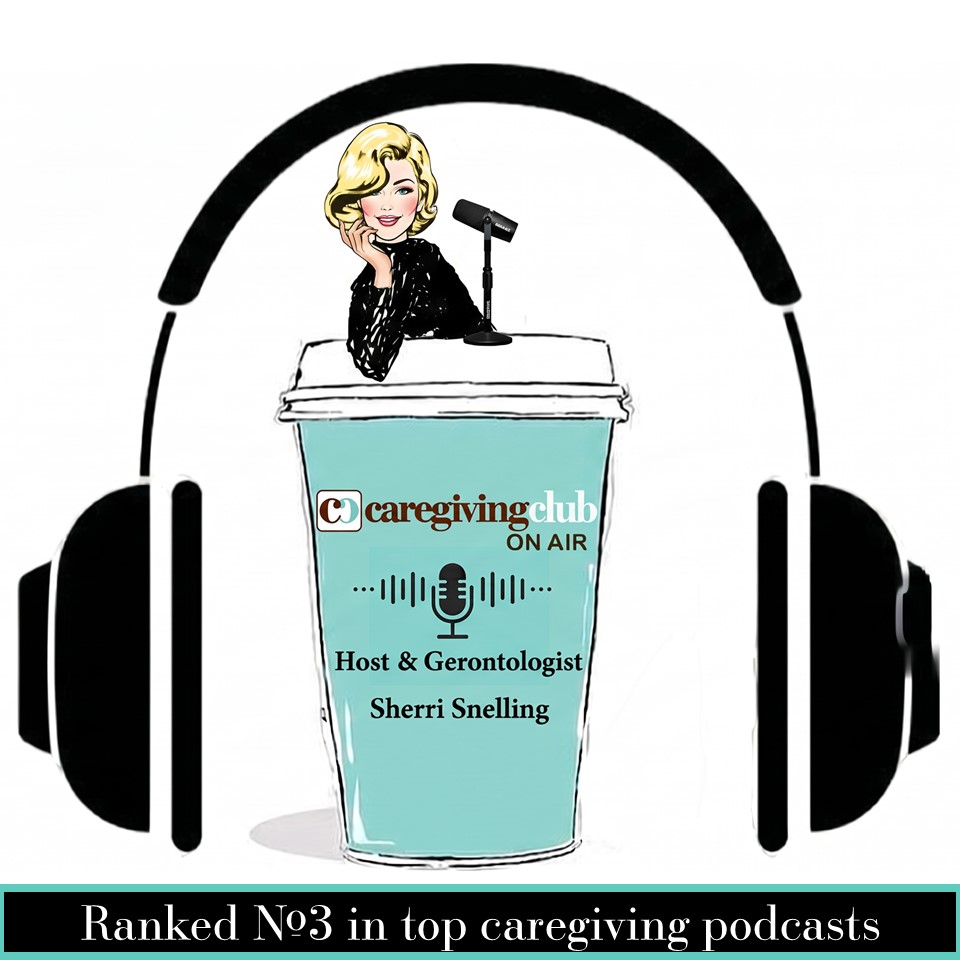
The "Caregiving Club On Air" podcast has become a lighthouse for this community, recently reaching the #3 spot among the top 80 caregiving podcasts globally, according to the ranking firm Feedspot. This recognition validates the growing public demand for high-quality, actionable content regarding the realities of caregiving.
As the show enters its sixth season, it continues to evolve. In response to audience feedback, the program has expanded its reach through a new YouTube channel, "Caregiving Club News." This platform offers a dedicated space for the research, resources, and pop-culture discussions that have become the hallmark of Snelling’s work. By providing these resources for free, the podcast aims to democratize access to information that was once siloed in expensive consulting workshops or HR manuals.
Conclusion: The Path Forward
As we move through Employee Wellness Month, the message from Sherri Snelling and Melissa Fisher is clear: caregiving is an inevitable part of the human experience. It is not a "personal problem" that should be kept behind closed doors; it is a systemic issue that requires a systemic solution.
For employees, the path forward involves advocating for themselves and utilizing the resources—such as the Elder Care Locator (1-800-677-1116) and internal company ERGs—that are available to them. For employers, the imperative is to foster a culture of transparency and flexibility.

The future of work is not just about output and efficiency; it is about sustaining the people who make that work possible. By acknowledging the "Sandwich Generation" and building infrastructures that honor the complexity of their lives, businesses can ensure they remain not only profitable but also deeply humane.
Quick Reference for Caregivers and HR Leaders
- For Employees: Seek out your company’s HR department to inquire about existing affinity groups or benefits for elder care. Utilize resources like the Elder Care Locator to find local, verified support.
- For Employers: Review Sherri Snelling’s guides on creating a caregiving-focused ERG. Implementing these groups is one of the most effective ways to lower turnover and boost morale in the current, high-stress labor environment.
- Stay Informed: For ongoing updates on workplace caregiving, mental health support, and wellness, subscribe to the Caregiving Club YouTube channel and tune in to the Caregiving Club On Air podcast on platforms such as Apple Podcasts, Spotify, and Amazon Music.
This article is based on the research and interviews conducted by the Caregiving Club. For further reading, explore Sherri Snelling’s "Me Time Monday" book and her extensive body of work on PBS Next Avenue and Forbes regarding the intersection of caregiving and the modern professional landscape.