










By Editorial Staff
DES MOINES, Iowa — Residents across southeast Iowa are bracing for a precarious industrial operation this Friday, as the U.S. Army prepares to detonate approximately five tons of highly unstable, degraded bomb-making chemicals at the Iowa Army Ammunition Plant. The decision to proceed with the blast, which officials characterize as a necessary measure to prevent an accidental catastrophe, has triggered widespread anxiety, school closures, and intense scrutiny regarding the potential environmental and health impacts of a lead-laden dust plume.
The Core Conflict: A Choice Between Two Dangers
The crisis stems from a cache of lead azide—a volatile chemical compound used in the production of munitions—that has been stored at the facility for over two decades. The material was originally housed in earthen-covered containers and submerged in a bath of ethanol and water to maintain stability. However, a routine inspection earlier this year revealed that a significant portion of the stabilizing liquid had evaporated, causing the lead azide to crystallize.
In its crystallized state, the compound is hypersensitive to friction, shock, and temperature fluctuations. Military officials, guided by a panel of munitions chemists and safety engineers, concluded that any attempt to move or transport the barrels would carry an unacceptable risk of a fatal, unplanned detonation. Faced with the deteriorating state of the material and the onset of colder weather—which further increases the risk of spontaneous explosion—the Army opted for a controlled detonation as the only viable path to neutralize the threat.
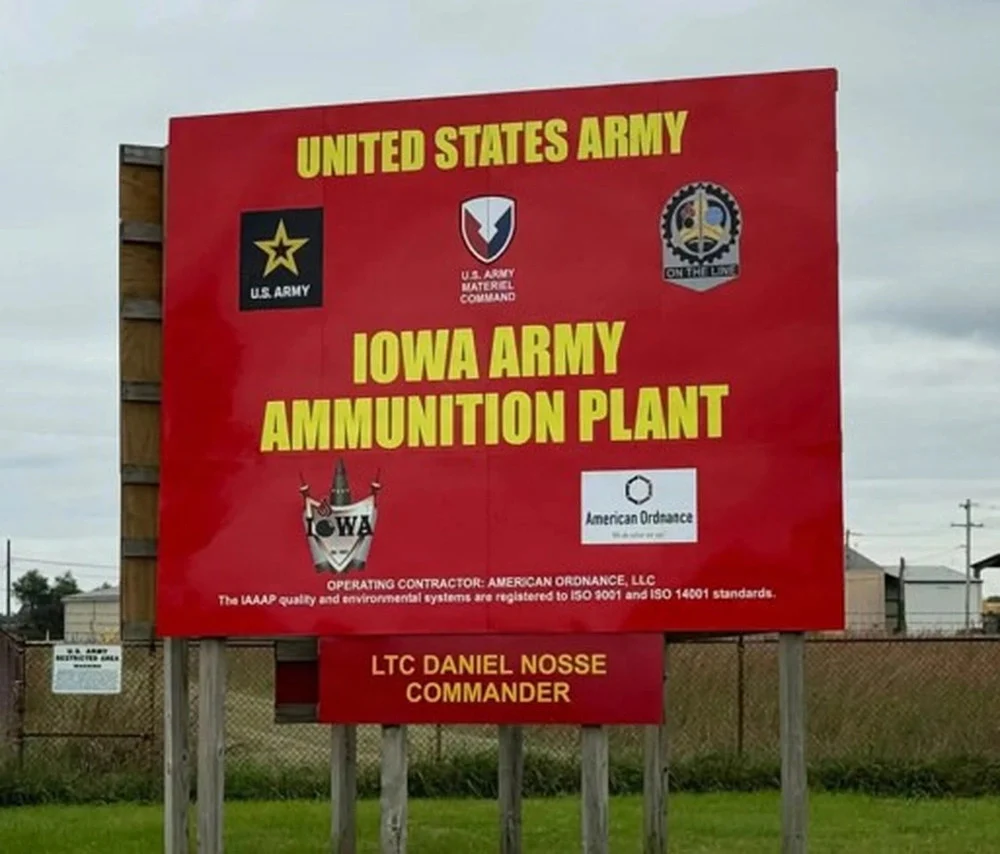
"The safety of our people and our neighbors is non-negotiable," Lt. Col. Daniel Nosse, commander of the plant, stated earlier this year. Despite this commitment, the reality of the operation—which will release an air plume containing lead particles—has left local communities struggling to reconcile the military’s safety measures with the inherent risks of toxic contamination.
A Chronology of the Crisis
The unfolding situation has been marked by a slow release of information, leaving many local governments feeling sidelined until the final days before the blast.
- Early 2024: During a facility review, Army personnel discover that the lead azide in storage has begun to crystallize due to the evaporation of its stabilizing liquid bath.
- March 2024: Middletown residents are informed for the first time that the plant needs to dispose of the chemicals.
- October 2024: The Army hosts a public meeting in Middletown, confirming that a detonation is planned for November but providing no specific date.
- November 13, 2024: The Environmental Protection Agency (EPA) grants an emergency permit for the detonation, establishing strict requirements for modeling potential lead dispersal and mandating a five-day public notification window.
- November 17, 2024: Official advisories are issued to communities up to 100 miles away, detailing the potential for a lead-containing air plume and advising residents to shelter in place or evacuate.
- November 19, 2024: Local school districts, including the Danville Community School District, announce closures for Friday.
- November 20, 2024: State officials and neighboring jurisdictions express confusion and frustration over the lack of timely communication and the evolving nature of the dispersal maps.
Technical Scope and Mitigation Strategies
The Army’s plan for the operation is as complex as the risks are high. The detonation site has been heavily fortified; the barrels are encased in concrete and buried under soil, with two-story-high sand barriers stacked around the perimeter to contain the blast. To suppress the resulting dust, the military plans to spray the soil with water and deploy misting systems in the air at the time of the detonation.
Despite these efforts, officials acknowledge that they cannot guarantee a complete capture of the lead particles. The detonation is expected to produce a plume that could drift north, depending on wind patterns. While the Army estimates the dust will linger for no more than one hour, the physical deposit of lead particles on the ground remains a significant concern for environmental safety.
The EPA’s emergency permit mandates that the Army continuously update plume drift maps based on real-time weather data. These maps are the primary tool for residents to determine whether they should vacate their homes or remain indoors with windows and doors sealed.
Official Responses and Administrative Friction
The management of the public advisory process has drawn sharp criticism from local and state officials. Amy Stucker, Deputy City Clerk for the city of Mediapolis, described the situation as unprecedented and marked by a profound lack of clarity. Mediapolis, which was initially placed in the center of the potential dust exposure zone, only learned of its high-risk status on the Sunday preceding the blast.
"The biggest issue we’re having is the lack of information," Stucker noted, highlighting the chaos caused when the city’s school and library were forced to close, and the local fire department had to organize emergency cleaning protocols for public playgrounds. While updated modeling has since suggested the town may no longer be in the direct path of the plume, the damage to public confidence is palpable.
Even at the state level, the communication delay was evident. The office of Iowa Governor Kim Reynolds confirmed they were not briefed on the public advisory until Monday—less than a week before the operation. Furthermore, environmental authorities in neighboring Illinois have intervened, demanding that the U.S. military conduct comprehensive soil and air sampling across state lines to monitor for long-term contamination.
Implications for Public Health and the Environment
The primary environmental concern is the deposition of lead, a heavy metal that does not degrade and poses severe, long-term health risks. Patrick O’Shaughnessy, a professor in the Department of Occupational and Environmental Health at the University of Iowa, notes that while the Army’s mitigation efforts are commendable, the lack of certainty regarding the final concentration of lead is deeply troubling.
"Lead is a neurological toxicant," O’Shaughnessy explained. "It can decrease brain activity and development, especially in young children." He expressed particular concern for toddlers and young children, who are biologically vulnerable and more prone to hand-to-mouth behaviors that increase the risk of ingesting lead particles deposited on surfaces.
The military has advised residents to clean windowsills, outdoor surfaces, and vehicles following the blast. However, many residents have taken to social media to express skepticism about whether these simple cleaning measures are sufficient to protect their families from a toxic substance that is known to cause cognitive impairment and developmental issues.
The Unanswered Question: Was There an Alternative?
Throughout the regulatory process, the question of whether a non-explosive alternative could have been utilized has been raised by the public and environmental advocates. EPA documents reveal that alternative methods, such as chemical neutralization or decomposition of the barrels’ contents, were indeed considered.
However, the military’s experts maintained that any attempt to manipulate, move, or chemically treat the barrels in their current, crystallized state would likely result in an immediate, uncontrolled, and fatal explosion. The Army asserts that the controlled blast, while disruptive, is the safest of a series of dangerous options.
As Friday approaches, thousands of residents in southeast Iowa remain in a state of uneasy suspension. For those in Middletown, the immediate concern is not just the potential for broken windows or the annoyance of a temporary evacuation, but the long-term impact on the health of their community and the integrity of their local environment.
The Army remains committed to the operation, emphasizing that the detonation is a final, necessary response to a critical storage failure. For the people of Iowa, the event serves as a stark reminder of the hidden, long-standing dangers that can exist in their own backyards, and the high price of managing the remnants of military industrial history.