




It is difficult to reconcile the passage of time with the vividness of memory. Twenty-five years have elapsed since the morning of September 11, 2001—a day that fundamentally fractured the American psyche and recalibrated the trajectory of the 21st century. For those of us who lived through it, the events of that day are not historical archives; they are sensory imprints. We remember the silence, the smell of ozone and pulverized concrete, the sight of paper raining down like snow over lower Manhattan, and the guttural, primal cries of colleagues who realized, in an instant, that their futures had been incinerated.
Today, I work alongside colleagues who were not yet born when the towers fell, or who were merely toddlers playing in nurseries while the world outside their windows irrevocably changed. This generational shift brings with it a solemn responsibility: to ensure that the "day of infamy" remains a foundational pillar of our national consciousness, not just to honor the fallen, but to remain vigilant against those who continue to target our way of life.
The Morning the World Changed: A Personal Chronology
I was in Chicago, preparing for an annual sales conference with my team at Canon. We were a spirited group, accustomed to the professional intensity of our work and the camaraderie that followed in the city’s finest restaurants. On the morning of September 11, the air felt crisp, and the mood was one of routine anticipation.

I walked to a local Starbucks to grab my morning coffee. Inside, the atmosphere was already thick with a palpable, sickening dread. The television was broadcasting live footage of the North Tower of the World Trade Center. At that moment, the narrative was still fluid; news anchors spoke of an "aviation accident." I remember looking at the baristas and the strangers beside me—we were hugging, bonding in a silent, desperate language of communal shock.
When I returned to the hotel, the reality had crystallized into something far more sinister. Our Vice President of Sales had gathered the team in his suite. One colleague’s fiancé worked in the South Tower. As we watched the second plane strike, I felt her transition from shock to a profound, hollow agony. We offered platitudes—hollow promises that he would be evacuated—but we all knew, with a terrifying clarity, that the United States was under siege.
Minutes later, the South Tower collapsed. The sound of a skyscraper falling is not something one can describe; it is something that vibrates in your marrow. The screams of my colleague, witnessing the death of her future, are etched into my memory with a permanence that defies time.

The Long Road Home: A Nation Grounded
In the immediate aftermath, the only instinct that mattered was home. The telecommunications infrastructure was crippled; cell towers were overwhelmed, and landlines were dead. After thirty minutes of frantic attempts, I finally reached my sister-in-law to tell my family that I was coming home.
With the FAA having grounded all civilian air traffic indefinitely, the prospect of flying was off the table. While some colleagues chose to wait, believing the disruption would be short-lived, I knew I would walk to Southern California if necessary. I teamed up with a coworker, and we rented a car. Armed with bottled water, Diet Coke, and bags of Fritos, we drove west along Route 66. It was a two-and-a-half-day odyssey of constant driving, through a landscape that felt eerily suspended in time. We beat our colleagues home, but the silence on the road was deafening.
The Cost of the Conflict: Beyond the Towers
The tragedy of 9/11 did not end on that day. For many, the nightmare was just beginning. I later learned that a tech journalist I had worked with closely had perished. Another former colleague, who had spent seven years struggling to conceive, finally found joy in pregnancy, only to lose her husband—who worked at Cantor Fitzgerald on the 102nd floor—to the smoke and fire.

These stories are merely grains of sand in a desert of grief. Yet, the physical and psychological toll has extended into the present day. As a writer focusing on family caregiving and aging, I have spent years documenting the "long tail" of 9/11. The survivors and the first responders—the "pile" workers—are now facing a second wave of tragedy. We are seeing elevated rates of cancers, respiratory illnesses, and, increasingly, early-onset dementia among those who worked in the toxic dust of Ground Zero.
The Resilience of the American Spirit
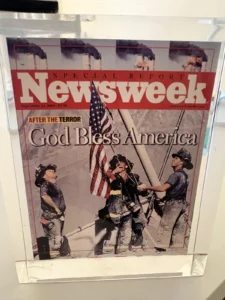
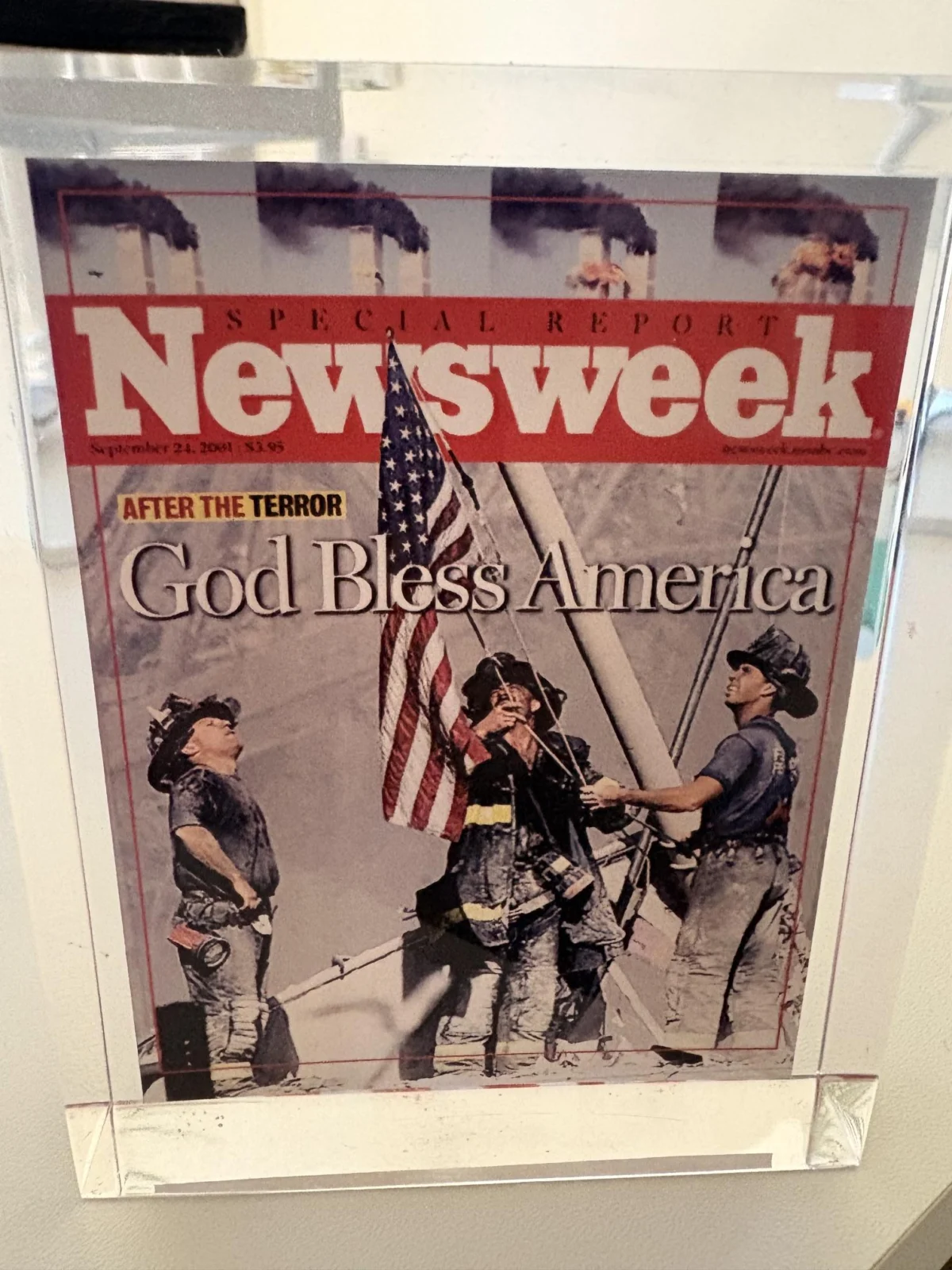
I have visited the site of the fallen towers many times over the last quarter-century. I have watched it evolve from a graveyard of steel and dust into a site of profound architectural and emotional reflection. One of my most cherished possessions is an acrylic-encased Newsweek cover featuring the iconic image of firefighters raising the American flag amidst the rubble. It mirrors the historic 1945 photograph from Iwo Jima—a testament to the fact that while evil may strike, it cannot break the foundation of a free society.
Perhaps the most poignant symbol I witnessed was the steel cross found in the debris. To me, it represented the ultimate triumph of good over evil. It was a reminder that while the attacks were designed to divide us, they ultimately forged a sense of national unity and resolve that had not been seen in decades.

A Lesson for the Future: Millennials, Gen Z, and Gen Alpha
For those who do not remember the morning of September 11, it is vital to engage with the record of that day. We must not let history become a sterile textbook entry. I encourage the younger generations to study the footage, watch the documentaries, and understand the figures like John O’Neill—the FBI agent who predicted the threat and sacrificed his life in the towers—and Welles Crowther, the "Man in the Red Bandana," who ran back into the burning building to save others.
Essential Viewing for Remembrance
- The News Footage Compilation: A raw look at the unfolding disaster from the major networks, putting the viewer in the heart of the confusion.
- "The Man Who Knew": A documentary on John O’Neill’s struggle to warn the government about the dangers of Al-Qaeda.
- "The Man in the Red Bandana": The story of Welles Crowther, whose courage saved countless lives in the North Tower.
- "United 93": A harrowing, documentary-style feature film that captures the bravery of the passengers who took their fate into their own hands, preventing a further attack on our nation’s capital.
Implications: The Ongoing Battle for Our Way of Life
The anniversary of 9/11 is not merely a memorial; it is a strategic check on our national resolve. The threats to our way of life have evolved, but they have not vanished. The complacency that followed the end of the Cold War was shattered on that Tuesday morning. We learned that the world is a dangerous place, and that security requires constant vigilance.
The death of Usama bin Laden in 2011 was a milestone, but the ideology he championed remains a persistent shadow. Today, as we honor the more than 3,000 lives lost, we must also acknowledge the 400,000 first responders and volunteers who served in the aftermath. The World Trade Center Health Program continues to support thousands of these heroes, proving that the caregiving burden for the 9/11 generation is a permanent responsibility.

Frequently Asked Questions
Q: Why is 9/11 important to remember 25 years later?
A: It is a defining moment in modern history. Unlike the attack on Pearl Harbor, which targeted military personnel, 9/11 targeted innocent civilians in their places of work. It serves as a reminder that complacency is the greatest threat to a free society.
Q: What is the significance of the "Man in the Red Bandana"?
A: Welles Crowther was a young volunteer firefighter who, despite being injured, made multiple trips up the stairs of the South Tower to rescue people. His legacy continues to educate and inspire young people through the foundation established in his name.
Q: How do we honor the first responders today?
A: Supporting the World Trade Center Health Program and acknowledging the ongoing health struggles of those who were at Ground Zero is a primary way to honor their sacrifice. Their work did not end when the fires were extinguished.

In closing, I will continue to write about 9/11—not because I want to dwell on the tragedy, but because I believe in the necessity of remembrance. By telling these stories, we keep the promise that "We Will Never Forget." It is my way of ensuring that the resolve we found in the ashes of that day remains a guiding light for the future of America.