









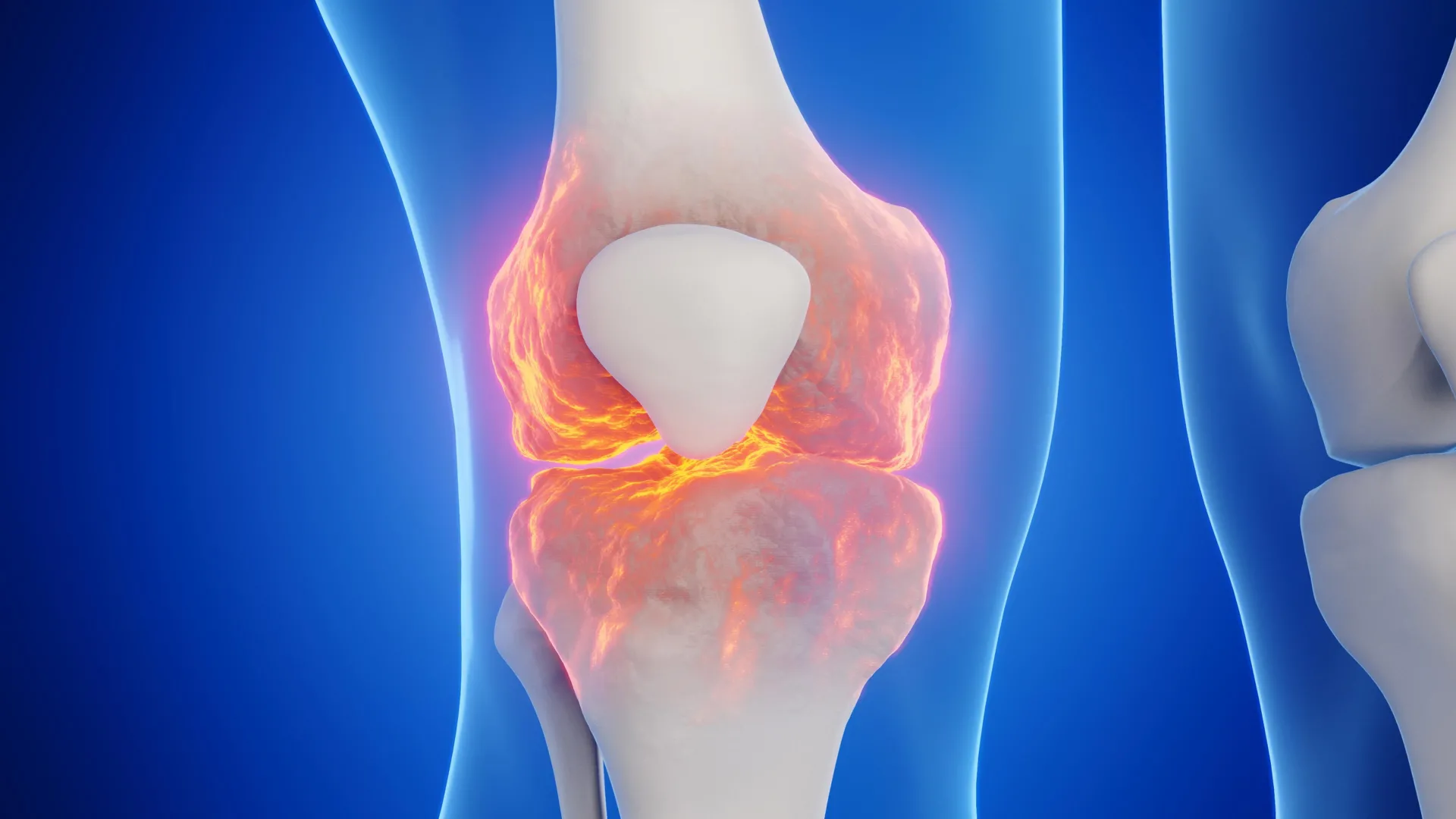
For the estimated 15 million Americans living with knee osteoarthritis (OA), the simplest daily tasks—climbing a flight of stairs, rising from a kitchen chair, or taking a brisk walk—often transform into agonizing hurdles. The condition, characterized by the progressive wear and tear of joint cartilage, is frequently exacerbated by excess body weight, which exerts significant mechanical stress on the knee joints. While current treatments, including physical therapy, anti-inflammatory medications, and corticosteroid injections, provide varying degrees of relief, a breakthrough in pharmaceutical research may offer a transformative new approach.
Recent data from two major Phase 3 clinical trials, led by Northwestern University and published on November 8 in the New England Journal of Medicine, indicate that an experimental injectable medication called retatrutide could provide substantial, life-altering relief for patients struggling with obesity and knee osteoarthritis.
The Triple-Action Breakthrough: How Retatrutide Works
Developed by Eli Lilly, retatrutide represents a significant evolution in the field of metabolic medicine. Unlike the current generation of GLP-1 receptor agonists, such as semaglutide (Ozempic/Wegovy) and tirzepatide (Mounjaro/Zepbound), which target one or two hormone receptors, retatrutide is a "triple agonist." It simultaneously activates receptors for three distinct hormones: glucagon-like peptide-1 (GLP-1), glucose-dependent insulinotropic polypeptide (GIP), and glucagon.
This multi-pronged approach has demonstrated profound efficacy in clinical settings. Participants in the trials achieved an average body weight reduction of approximately 25%. This level of weight loss is historically difficult to reach through traditional diet and exercise alone, particularly for patients whose mobility is already compromised by joint pain.
"Participants had remarkable responses," said Dr. Thomas Schnitzer, corresponding author of the study and a professor of physical medicine and rehabilitation, anesthesiology, and medicine (rheumatology) at Northwestern University Feinberg School of Medicine. "Many of the people in this study lost considerable amounts of weight, with a few losing up to a hundred pounds or more."
Chronology of the Clinical Trials
The path to these findings involved a rigorous, multi-site investigation. The trials, collectively known as the TRIUMPH programs, enrolled more than 1,000 participants across various locations.
- November 8, 2024: The results were simultaneously published in the New England Journal of Medicine and presented at the American College of Rheumatology annual meeting in Orlando, Florida.
- The Presentations: Philip Conaghan, a co-author of the study and professor of musculoskeletal medicine at the University of Leeds, presented the primary data from the TRIUMPH-4 trial. Concurrently, data from the TRIUMPH-1-OA study were showcased in a specialized poster session, providing a granular look at the correlation between weight reduction and symptom management.
- Methodology: The research teams utilized the Western Ontario and McMaster Universities Arthritis Index (WOMAC) Pain index—the gold standard for assessing OA-related discomfort. Participants provided daily pain logs via a mobile application, in addition to periodic in-clinic assessments, ensuring a comprehensive data set that captured both episodic and chronic pain patterns.
Supporting Data: Pain Reduction and Systemic Health
The statistical significance of the findings is striking. When researchers synthesized the data from both TRIUMPH trials, they observed that approximately two-thirds of participants receiving the highest dose of retatrutide reported a reduction in knee pain of at least 50%. In stark contrast, only 38% of the placebo group experienced a comparable level of relief.
Beyond the primary endpoint of pain reduction, the drug exerted a positive influence on broader metabolic health markers. Patients demonstrated significant improvements in:
- Cardiovascular Health: Reductions in blood pressure levels.
- Lipid Profiles: Improved blood cholesterol and triglyceride levels.
- Inflammation: A systemic decrease in markers of inflammation, which may play a secondary role in the mitigation of joint pain.
The weight loss mechanism is twofold: first, the reduced physical load on the knee joints directly lowers mechanical strain; second, the systemic reduction in adipose-derived inflammation may decrease the biochemical irritation of the joint capsule.
The Role of Lifestyle vs. Medication
Despite the efficacy of retatrutide, Dr. Schnitzer is quick to frame the drug within the broader context of holistic healthcare. He emphasizes that lifestyle modifications—improving nutritional intake and increasing physical activity—must remain the foundational approach for managing osteoarthritis.
"The findings are really saying for people who are overweight and have OA, if you lose a significant amount of weight with this treatment, there is a good chance that you’re going to get a meaningful reduction in your knee pain," Dr. Schnitzer noted. However, he cautioned against viewing the medication as a "magic bullet" that replaces the need for muscle maintenance.
The preservation of muscle mass is critical for OA patients. The muscles surrounding the knee act as essential shock absorbers and stabilizers. One of the known challenges with rapid weight loss is the potential for muscle wasting; therefore, patients using weight-loss medications are often encouraged to pair their treatment with resistance training to ensure that the loss of weight does not come at the expense of joint stability. Furthermore, lifestyle interventions avoid the gastrointestinal side effects commonly associated with GLP-1-based medications.
Implications for the Future of Rheumatology
The publication of these trials has sparked significant interest in the medical community, yet it also highlights several critical questions that warrant further study.
Can We Halt Disease Progression?
Perhaps the most ambitious goal for future research is determining whether retatrutide can stop the mechanical and biochemical progression of osteoarthritis. Currently, the trials have proven that the drug can alleviate symptoms, but they have not yet definitively established whether it can prevent the structural decay that leads to total knee replacement surgery. Since patients who had already undergone joint replacement were excluded from the trials, the impact on advanced-stage disease remains an open question.
The "Non-Obese" Patient
The trials were strictly focused on patients with obesity and OA. Consequently, it remains unknown whether individuals with knee osteoarthritis who are at a healthy weight would derive the same anti-inflammatory or pain-relief benefits from the medication. Future trials may be necessary to parse out how much of the relief is strictly weight-dependent versus pharmacologically driven through anti-inflammatory pathways.
The Mechanism of Anti-Inflammation
Dr. Schnitzer pointed out that the drug’s potential anti-inflammatory properties are of great interest to the scientific community. "Whether cutting down inflammation in the joint is also important in addition to reducing load needs more research," he explained. "This is still a first step. I’ve been working in the OA field for a long time, and I think this opens up opportunities to do a lot more studies to understand the condition better."
Conclusion: A New Tool in the Toolkit
As the medical community awaits further guidance from the U.S. Food and Drug Administration (FDA) regarding the approval and labeling of retatrutide, the current findings offer a beacon of hope for millions. For patients who have hit a plateau with diet and exercise, or for whom the pain of movement creates a vicious cycle of inactivity and weight gain, this triple-agonist therapy could represent a "reset" button.
By breaking the cycle of pain, these medications may allow patients to increase their physical function, eventually transitioning from reliance on pharmacological interventions to a more sustainable, active lifestyle. While the research is in its relatively early stages, the trajectory suggests that the intersection of metabolic health and orthopedics will be a primary focus of medical innovation for years to come.