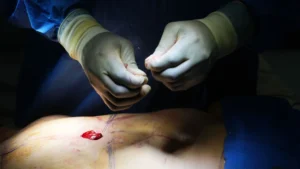












In the landscape of modern medicine, the battle against chronic pain has long been fought with a reliance on systemic pharmaceutical interventions. For millions, this has resulted in a cycle of dependency, limited mobility, and diminished quality of life. However, a paradigm shift is occurring in the heart of the Gulf Coast. The Southwest Florida (SWFL) Pain Center is emerging as a beacon of clinical excellence, pioneering a philosophy that marries high-technology precision with a deeply human-centric approach to patient care. By focusing on interventional techniques that address the root cause of discomfort rather than merely masking symptoms, the center is setting a new benchmark for pain mitigation.
Main Facts: The Philosophy of Precision
At its core, the SWFL Pain Center operates on a simple yet profound mission: to reduce or eliminate chronic pain through minimally invasive, highly advanced interventional procedures. Unlike traditional practices that might rely heavily on medication management, the SWFL Pain Center utilizes a "high-tech meets high-touch" model.
The facility distinguishes itself through:
- Targeted Diagnostics: Utilizing advanced imaging to identify the specific anatomical origin of pain.
- Interventional Procedures: Moving beyond systemic drugs to localized, therapeutic interventions.
- State-of-the-Art Infrastructure: Featuring on-site surgical suites designed for maximum precision and patient convenience.
- Holistic Environment: Recognizing that the physical space of a clinic contributes to the healing process, the center emphasizes an "artistic atmosphere" to soothe the nervous system.
The clinical objective is clear: to provide a personalized treatment pathway that restores the patient to a life free from the constraints of chronic suffering.
Chronology: The Evolution of Modern Pain Management
To understand the significance of the work being done at SWFL Pain Center, one must view it through the lens of medical evolution.
- Pre-20th Century: Chronic pain was largely misunderstood, often treated with rudimentary surgical intervention or ineffective herbal remedies.
- Late 20th Century: The rise of pharmacological management dominated the field. While effective for acute pain, this led to the subsequent crisis of dependency, forcing a massive industry-wide pivot toward safer, non-narcotic alternatives.
- The Modern Era: The establishment of specialized clinics like the SWFL Pain Center marks the current phase of the "Interventional Revolution." This era is defined by the integration of fluoroscopy, ultrasound guidance, and neuromodulation—technologies that allow physicians to visualize nerves and spinal structures in real-time, ensuring surgical accuracy that was impossible just two decades ago.
- The Future: The current trajectory of the SWFL Pain Center points toward even more personalized genomic-based pain management and bio-electronic medicine, keeping the practice at the vanguard of the field.
Supporting Data: The Efficacy of Interventional Techniques
The transition away from pharmacological reliance is supported by substantial clinical data regarding the efficacy of interventional pain management. The SWFL Pain Center employs a suite of advanced procedures, each backed by rigorous clinical research:
1. Spinal Cord Stimulation (SCS)
SCS involves the implantation of a small device that sends electrical impulses to the spinal cord, effectively "intercepting" pain signals before they reach the brain. Studies have shown that for patients with Failed Back Surgery Syndrome (FBSS), SCS provides superior long-term relief compared to conventional medical management.
2. Radiofrequency Ablation (RFA)
RFA utilizes thermal energy to deactivate the nerves responsible for sending pain signals from arthritic joints, such as the facet joints in the spine. Clinical trials indicate that RFA can provide significant, long-lasting relief for patients suffering from chronic spinal pain, often lasting 6 to 12 months or longer.
3. Image-Guided Injections
The use of ultrasound and fluoroscopy (real-time X-ray) is the gold standard for accuracy. By precisely placing anti-inflammatory steroids or regenerative substances directly into the inflamed joint or nerve sheath, the center minimizes systemic side effects while maximizing therapeutic impact.
4. Discography
This diagnostic technique remains the most accurate way to identify which specific disc is causing a patient’s pain, preventing unnecessary broad-spectrum treatments and allowing for highly targeted surgical or non-surgical intervention.

Official Responses and Clinical Perspective
Leadership at the SWFL Pain Center emphasizes that their success is rooted in the "High-Tech, High-Touch" philosophy. According to clinicians at the center, the biggest hurdle in modern pain management is the fragmentation of care.
"When we combine highly advanced imaging technologies with our ground-breaking surgical techniques, we aren’t just treating a symptom; we are correcting a mechanical or neurological failure," a representative for the center noted. "The ‘High-Touch’ aspect is equally vital. Patients in chronic pain are often exhausted by the system. By providing a soothing, artistic environment and on-site surgical suites, we reduce the anxiety of the clinical process, which in itself is a factor in pain perception."
The center’s commitment to avoiding long-term drug therapy is not merely a preference; it is a clinical mandate aimed at improving long-term cognitive and physical outcomes for their patient population.
Implications: The Future of Chronic Pain Treatment
The rise of centers like SWFL Pain Center has profound implications for both the individual patient and the broader healthcare system.
The Shift Toward Patient-Centered Pathways
Traditional healthcare models are often designed for high-volume, low-interaction care. The SWFL model challenges this by prioritizing the "personal treatment path." For the patient, this means shorter recovery times, reduced side effects from long-term opioid use, and a faster return to the workforce and daily activities.
Economic and Societal Impact
Chronic pain is a leading cause of disability worldwide, costing the economy billions annually in lost productivity and healthcare expenditures. By aggressively addressing the root cause through interventional techniques, the SWFL Pain Center contributes to a more efficient healthcare model. Patients who regain mobility and reduce their dependency on drugs are statistically more likely to maintain employment and enjoy a higher quality of life.
The Normalization of Interventional Care
As the efficacy of spinal cord stimulation, radiofrequency ablation, and guided injections becomes more widely recognized, the stigma often associated with specialized pain management is diminishing. The SWFL Pain Center serves as a model for how specialized, private, and highly localized centers can provide tertiary-level care that is often superior to what is available in a standard hospital setting.
A New Standard for Clinical Environments
Finally, the center’s focus on an "artistic atmosphere" serves as a subtle yet significant reminder that healing is a multisensory experience. The clinical environment is being redefined from a sterile, intimidating space into one that promotes calm and psychological well-being. This, the center argues, is the final piece of the puzzle in achieving a pain-free lifestyle.
Conclusion
The Southwest Florida Pain Center is not merely a medical facility; it is a manifestation of the next generation of healthcare. By refusing to settle for the traditional "pill-first" approach and instead investing in advanced surgical suites, precise imaging, and a patient-first ethos, they are offering a viable path out of the darkness of chronic pain. As the medical community continues to refine these techniques, the work being done in Florida stands as a blueprint for clinics worldwide, proving that with the right combination of technology and compassion, a pain-free life is not just a dream—it is a measurable, achievable reality.