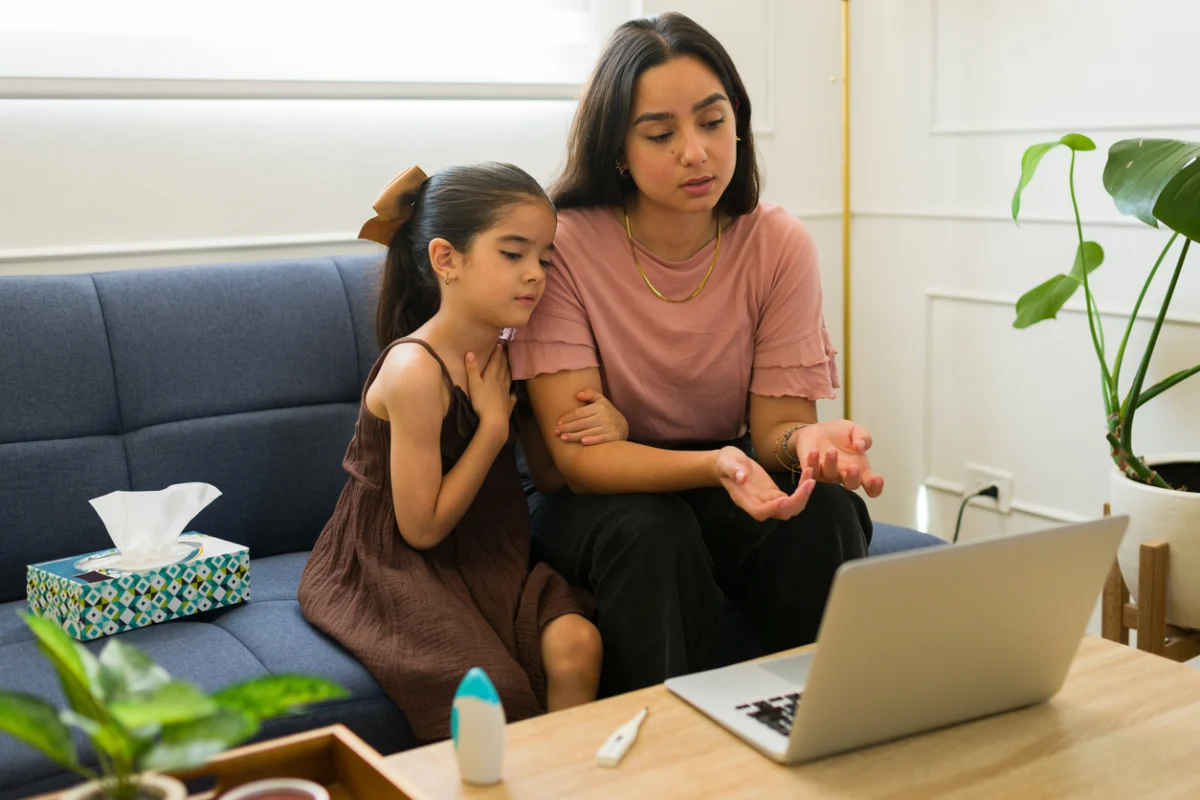
The United States is currently navigating a systemic crisis that threatens the very foundation of public health: a widening chasm between the demand for medical services and the availability of qualified clinicians. As the population ages, life expectancies increase, and the complexities of chronic disease management grow, the nation’s healthcare infrastructure is struggling to keep pace. This “math problem”—a shortage of physicians and nurses coupled with an expanding, health-conscious populace—has left children, working families, and vulnerable populations increasingly underserved.
To address this, experts are advocating for a radical decentralization of care. By shifting the delivery of medicine beyond the traditional hospital walls and into the community hubs where families already congregate—most notably, schools—the U.S. has a unique opportunity to build a resilient, hybrid healthcare system.
The Evolution of the Healthcare Crisis
The current imbalance in American healthcare is not merely a transient byproduct of post-pandemic recovery; it is a structural evolution. For decades, the model of care delivery has been tethered to the brick-and-mortar clinic. However, as provider shortages reach critical levels in both rural and urban sectors, this model has become increasingly brittle.
The struggle to recruit and retain medical professionals, combined with transportation barriers and the rising cost of living, has created "healthcare deserts" across the country. For families, the logistical hurdle of taking time off work, securing childcare for siblings, and navigating commute times to reach a specialist often results in the delay or total abandonment of necessary care. When preventive care is bypassed, minor health issues frequently spiral into acute emergencies, further straining a hospital system already operating at capacity.
Chronology of a Shifting Paradigm
The transition toward a hybrid healthcare model—one that marries virtual accessibility with physical infrastructure—has accelerated rapidly over the last five years.
- Pre-2020: Telehealth existed primarily as a niche convenience for minor ailments, often limited by insurance reimbursement policies and a lack of provider buy-in.
- 2020–2022: The COVID-19 pandemic served as a mandatory stress test for digital health. Schools closed, and healthcare moved to virtual platforms, proving that remote connections could maintain continuity of care even under extreme duress.
- 2023–2024: The focus shifted from emergency response to integration. Policymakers and health systems began exploring how to embed these virtual tools into existing community institutions.
- 2025 and Beyond: The current movement seeks to standardize school-based telehealth, moving it from an experimental pilot to a permanent pillar of the American educational and health infrastructure.
Supporting Data: Why Schools Are the Logical Hub
The case for utilizing schools as health nodes is backed by both logistical necessity and scientific research. According to a 2020 review of literature published in the Journal of Pediatric Health Care, schools represent the most efficient social landscape for integrating wellness promotion with academic practice.
The data supports this transition:
- Attendance Impact: Programs implemented in states like Texas and North Carolina demonstrate that when students can access mental health or primary care support during the school day, chronic absenteeism drops significantly.
- Economic Efficiency: By reducing the need for emergency department visits for non-urgent care, school-based telehealth lowers the total cost of care for families and insurance payers alike.
- Equity Metrics: For rural students, the "ZIP code" factor is the strongest predictor of health outcomes. Telehealth effectively dissolves geographic barriers, ensuring that a student in a remote district has access to the same caliber of specialty care as one in a major metropolitan center.
Official Perspectives and Policy Alignment
The push for school-based telehealth aligns with broader federal initiatives, such as the Make America Healthy Again movement, which emphasizes proactive behavioral changes in nutrition, sleep, and physical activity. By bringing these health conversations into the classroom, the education system can act as a force multiplier for public health messaging.
"Schools have always been hubs of support, safety, and connection," says Paul Samargedlis, an expert in healthcare innovation and a long-standing member of the Plymouth School Committee. "What has changed is the growing gap in access. By integrating telehealth, we aren’t changing the mission of education—we are strengthening it."
Samargedlis, who served as Senior Vice President for the American Telemedicine Association during the critical expansion years of 2020–2025, notes that school nurses are often overwhelmed by the breadth of their responsibilities. "Telehealth provides a collaborative network. It gives our school nurses the ability to consult with off-site specialists, essentially providing a safety net for both the staff and the students."
Implications for a Hybrid Future
The integration of telehealth into K–12 environments has profound implications for the future of the American workforce and the health of the next generation.
1. Proactive Health Management
When a student can access a nutritionist, a therapist, or a pediatrician via a secure video link in the nurse’s office, health management moves from "reactive" (treating the illness) to "proactive" (maintaining the wellness). This early exposure to health literacy is vital for long-term lifestyle habits.
2. Easing the Burden on Working Families
For the modern working family, the "triad" of work, school, and health is often in conflict. A hybrid system where the child receives care at school allows parents to remain at work, preventing the loss of wages and the added stress of coordinating mid-day medical appointments.
3. Strengthening the Clinical Workforce
While telehealth cannot replace physical doctors, it can optimize their time. By triaging cases through school-based systems, clinicians can focus their physical office time on patients who require hands-on procedures, while managing routine follow-ups, medication adjustments, and mental health check-ins virtually.
Challenges and the Path Forward
Despite the promise, the road to a nationwide standard for school-based telehealth is not without obstacles. Standardization remains a primary concern. Currently, policies vary wildly from state to state and even district to district.
To succeed, a coordinated effort is required:
- Legislative Consistency: States must establish clear guidelines for billing and reimbursement, ensuring that school-based providers are fairly compensated for their time.
- Infrastructure Investment: Schools require the digital backbone—secure high-speed internet and private, HIPAA-compliant spaces—to facilitate these visits.
- Stakeholder Partnerships: Success is contingent upon the collaboration between healthcare systems, school committees, teacher unions, and parent organizations.
Conclusion: Investing in the Whole Child
Telehealth in schools is not merely a technological upgrade; it is a fundamental redesign of how society cares for its most vulnerable members. By transforming schools into extensions of the healthcare system, we create a safety net that captures health issues before they become crises.
As we look toward a future where healthcare is no longer limited by distance or provider scarcity, we must prioritize the settings where our children spend the majority of their time. By investing in this hybrid model, we are not just investing in education—we are building a healthier, more equitable future for every community in the nation. The goal is clear: to ensure that every student, regardless of their background or geography, has the foundation of health they need to thrive in the classroom and beyond.