




By Diane Westwater
In the ancient tradition of Ayurveda, health is not merely the absence of disease, but a state of dynamic equilibrium—a harmonious symphony of mind, body, and consciousness. As the seasons shift and the world enters the deep, dormant chill of winter, our internal landscape often mirrors the external environment. Ayurveda teaches that when this internal balance is disrupted, manifesting as psychosomatic distress or seasonal lethargy, the path to restoration begins with a strategic choice: Shamanam (pacification) or Shodanam (purification).
As we transition into the heart of the Kapha season—characterized by qualities of cold, heaviness, density, and slow-moving energy—the body often requires a specific intervention to clear the accumulated stagnation of the winter months. Among the most potent tools in the Ayurvedic repertoire is Nasya, the nasal administration of therapeutic substances, a practice designed to act as a gateway to the brain and a catalyst for profound systemic clarity.
The Foundational Philosophy: Shamanam vs. Shodanam
To understand the necessity of seasonal cleansing, one must first grasp the two primary branches of Ayurvedic therapy. Shamanam, or pacification, is the gentler approach, indicated for individuals who are physically weak or whose system is depleted. The primary objective here is to remove the root cause of the distress while simultaneously nourishing the body to build resilience. It is the "nurturing" phase of healing.
Conversely, Shodanam—purification—is the process of deep detoxification. It is often employed when the body has sufficient strength to withstand the rigors of a thorough "spring cleaning." At the pinnacle of Shodanam is Panchakarma, a collection of five transformative procedures designed to purge deep-seated toxins. While Panchakarma encompasses various modalities, Nasya holds a unique place, specifically targeting the upper respiratory tract, the sensory organs, and the cognitive centers of the brain.
The Mechanics of Nasya: The Doorway to Consciousness
In Ayurvedic physiology, the nose is famously described as the Nasa hi shiraso dwaram—the door to the brain and the consciousness. Unlike oral medications that must navigate the complex digestive tract, substances administered via Nasya bypass the peripheral system, interacting directly with the Majja Dhatu (the nervous system).
Physiological Implications of Nasal Administration
When a medicinal substance is inhaled or dropped into the nasal cavity, it initiates a precise physiological cascade. As air travels through the cribriform plate—a delicate, sieve-like bone at the roof of the nose—it exerts a subtle mechanical pressure on the meninges, the protective membranes surrounding the brain and spinal cord.
This mechanical stimulation, combined with the therapeutic properties of the herbs used, triggers a rhythmic pumping action in the diaphragm and the cerebrospinal fluid. Research into the autonomic nervous system suggests that this stimulation can enhance both venous and arterial flow, effectively "clearing the rivers of life," or Nadis. By altering the breathing pattern and clearing the srotas (channels of circulation), Nasya does more than relieve congestion; it recalibrates the nervous system, fostering a state of heightened sensory perception and mental clarity.
Navigating the Kapha Season
Winter is governed by the Kapha dosha. If left unmanaged, the "cold, heavy, and slow" attributes of this season can lead to increased mucus production, sinus blockage, and a sense of "foggy" thinking. To counterbalance these qualities, Ayurvedic practitioners advocate for the introduction of heating, drying, and expansive herbal energetics.
The goal of winter Nasya is not just physical cleansing, but the revitalization of Prana—the vital life force that animates the body. When the srotas are blocked by seasonal accumulation, Prana becomes sluggish. By utilizing pungent, bitter, and heating substances, we break down the dense, sticky nature of Kapha, allowing the life force to circulate freely once more.
Supporting Data: Traditional Ingredients and Their Energetics
The success of Nasya relies on the selection of appropriate botanical agents. Two primary examples highlight the efficacy of this approach:
1. Vacha (Calamus Root)
Vacha is perhaps the most revered herb for mental acuity in the Ayurvedic pharmacopeia. It is heating, pungent, and bitter—the exact profile required to incinerate Kapha stagnation.
- Action: When powdered and inhaled, Vacha acts as a mild irritant to the olfactory bulb, which, through a reflex action, induces sneezing. While this may seem aggressive, the sneeze is a vital component of the therapy; it helps release pent-up tension in the udana (the upward-moving wind of the body) and clears the obstructions in the sinus cavities.
- Sattvic Quality: Beyond its physical cleansing properties, Vacha is considered sattvic, meaning it promotes clarity, truth, and harmony in the mind.
2. The Ginger-Jaggery Infusion
For those seeking a more liquid-based delivery system, a simple infusion of ginger and jaggery provides a powerful remedy for sinus congestion and tension-related headaches.
- The Science of Heat: Ginger (Zingiber officinale) provides the "heating" quality necessary to liquefy thick mucus, while jaggery—a traditional unrefined cane sugar—acts as a carrier agent that helps the body absorb the medicinal properties of the ginger.
- The After-Glow: Users often report an initial, intense burning sensation, followed by a profound flushing of the eyes and nasal passages. This reaction is a sign of increased circulation, culminating in what practitioners describe as an "after-glow"—a state of exhilaration and sensory sharpness.
Practical Application: A Step-by-Step Guide
While Nasya is a traditional practice, it requires careful preparation and adherence to safety protocols.
The Ginger-Jaggery Preparation
- Ingredients: 1 tsp of freshly grated organic ginger, 1 tsp of high-quality jaggery, and 1/3 cup of purified water.
- Extraction: Combine the ingredients in the water, allowing them to steep. Strain the mixture through fine cheesecloth, squeezing firmly to ensure that no solid particles remain.
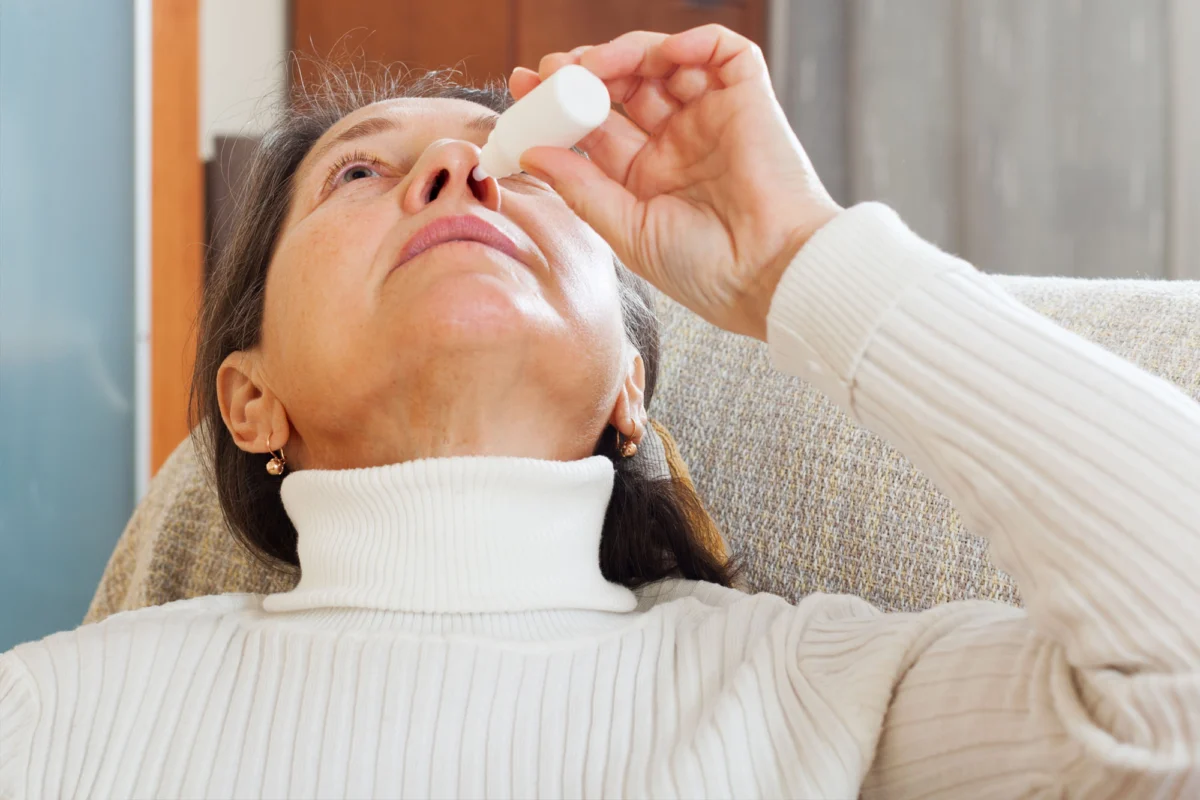
- Administration: Using a sterile dropper, place 2–3 drops into each nostril while the head is tilted back.
- Important Note: This mixture is highly perishable. It must be prepared fresh for every single application to prevent bacterial contamination.
Implications for Modern Integrative Health
The integration of Nasya into a modern wellness routine represents a bridge between ancient wisdom and current interest in bio-hacking and nervous system regulation. While the scientific community continues to explore the nuances of the nasal-brain pathway, the implications of Nasya for the general public are significant:
- Preventative Healthcare: By addressing seasonal imbalances before they manifest as chronic inflammation, Nasya serves as an effective, low-cost preventative measure.
- Cognitive Performance: As we navigate a high-stress, information-dense world, the ability to "clear the brain" via traditional, non-invasive methods offers a viable alternative to synthetic stimulants.
- Mind-Body Connection: The practice forces an individual to pause, breathe, and consciously engage with their own physiology, fostering a sense of agency over one’s internal health.
Official Responses and Professional Guidance
It is a core tenet of Ayurvedic ethics that such potent therapies should not be treated as "do-it-yourself" experiments without due diligence. Professional Ayurvedic practitioners emphasize that while Nasya is transformative, it is not universally indicated.
"The power of Nasya lies in its directness," notes one leading practitioner. "Because it interacts with the Majja Dhatu, it is a powerful tool. However, individuals with acute nasal injuries, severe hypertension, or those currently undergoing intensive medical treatments for neurological conditions should consult with their healthcare provider before attempting any form of nasal cleansing."
Furthermore, there is a clear distinction between the "cleansing" phase of Nasya and the "nourishing" phase. While the recipes mentioned here focus on the clearing of Kapha (winter congestion), there are other forms of Nasya—often using medicated oils—that are designed to lubricate and nourish the brain tissue. Mixing these protocols without professional guidance can lead to unintended results.
Conclusion: The Path Forward
As the winter cycle continues to demand that we move inward, the practice of Nasya provides a tangible way to participate in our own purification. By clearing the "rivers of life," we not only alleviate the physical symptoms of the season but also open the gates to a clearer, more vibrant state of consciousness.
As with any wellness journey, the key is consistency and mindfulness. Start with the basics, respect the power of the herbs, and always listen to the feedback your body provides. In the stillness of winter, let your breath be the instrument of your own transformation.
Disclaimer: This article is for educational purposes only. It is not intended to diagnose, treat, cure, or prevent any disease. Always consult with a qualified health professional or an Ayurvedic practitioner before starting any new herbal or therapeutic regimen.