







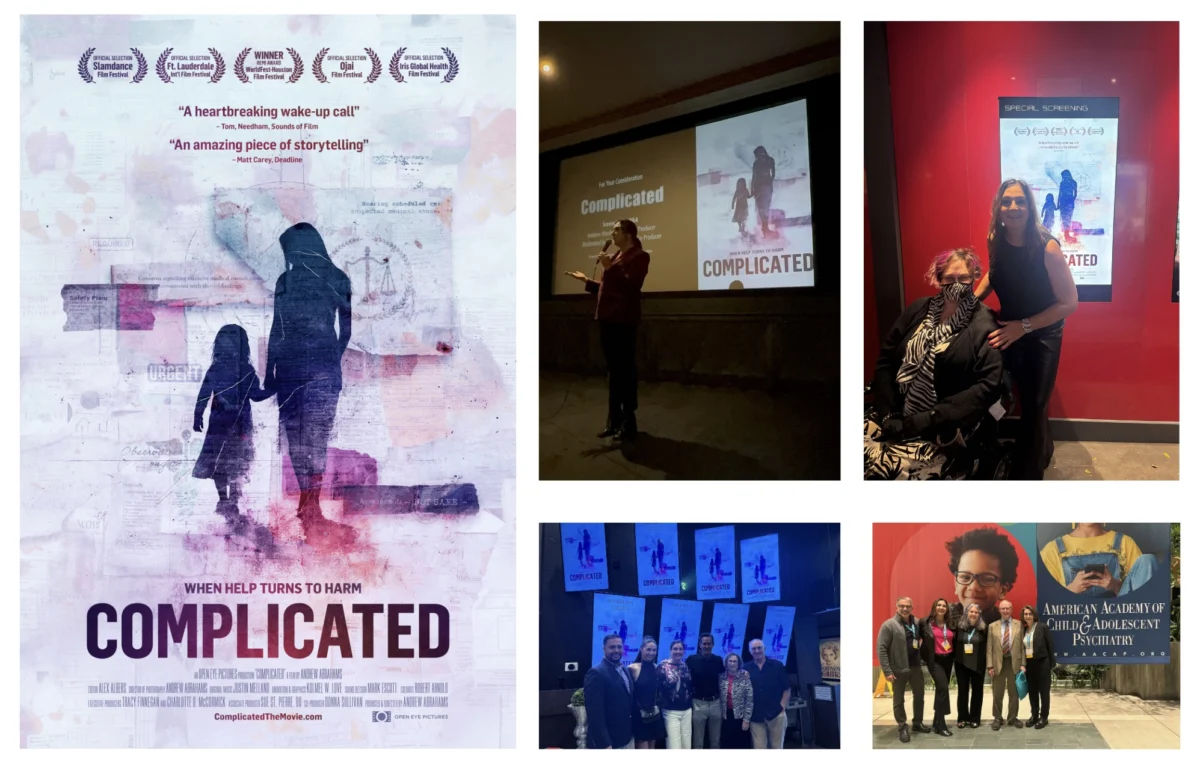
In the landscape of chronic illness advocacy, few projects have carried the emotional and systemic weight of Complicated, a documentary nine years in the making. As the film prepares for its broad release on Apple TV this May, it arrives at a pivotal intersection: Ehlers-Danlos Syndrome (EDS) Awareness Month and Mother’s Day. For producer DM Sullivan and the families featured, this timing is more than coincidental—it is a symbolic culmination of nearly a decade of navigating the fraught, often misunderstood terrain of rare disease care.
The documentary does not merely chronicle the struggles of those living with EDS; it confronts the systemic failures that often lead to the devastating and erroneous accusations of medical abuse against parents of children with chronic, complex conditions. As the film moves into the public consciousness, it signals the start of a broader, necessary movement toward clinical reform and legislative protection for families caught in the crosshairs of a medical system that often views the unknown as suspicious.
The Chronology of a Crisis: Nine Years of Advocacy
The journey of Complicated began nearly a decade ago, born from a necessity to document a reality that was being systematically ignored by mainstream medical literature.
- 2017–2019: The Formative Years. Initial production began as families across the United States reported a common, harrowing experience: seeking help for their children’s chronic pain and multi-systemic symptoms, only to be met with skepticism from healthcare providers.
- 2020–2023: The Pandemic Shift. The global health crisis exacerbated existing gaps in rare disease care. For those with EDS, the isolation of the pandemic mirrored the isolation they already felt within a fractured healthcare system.
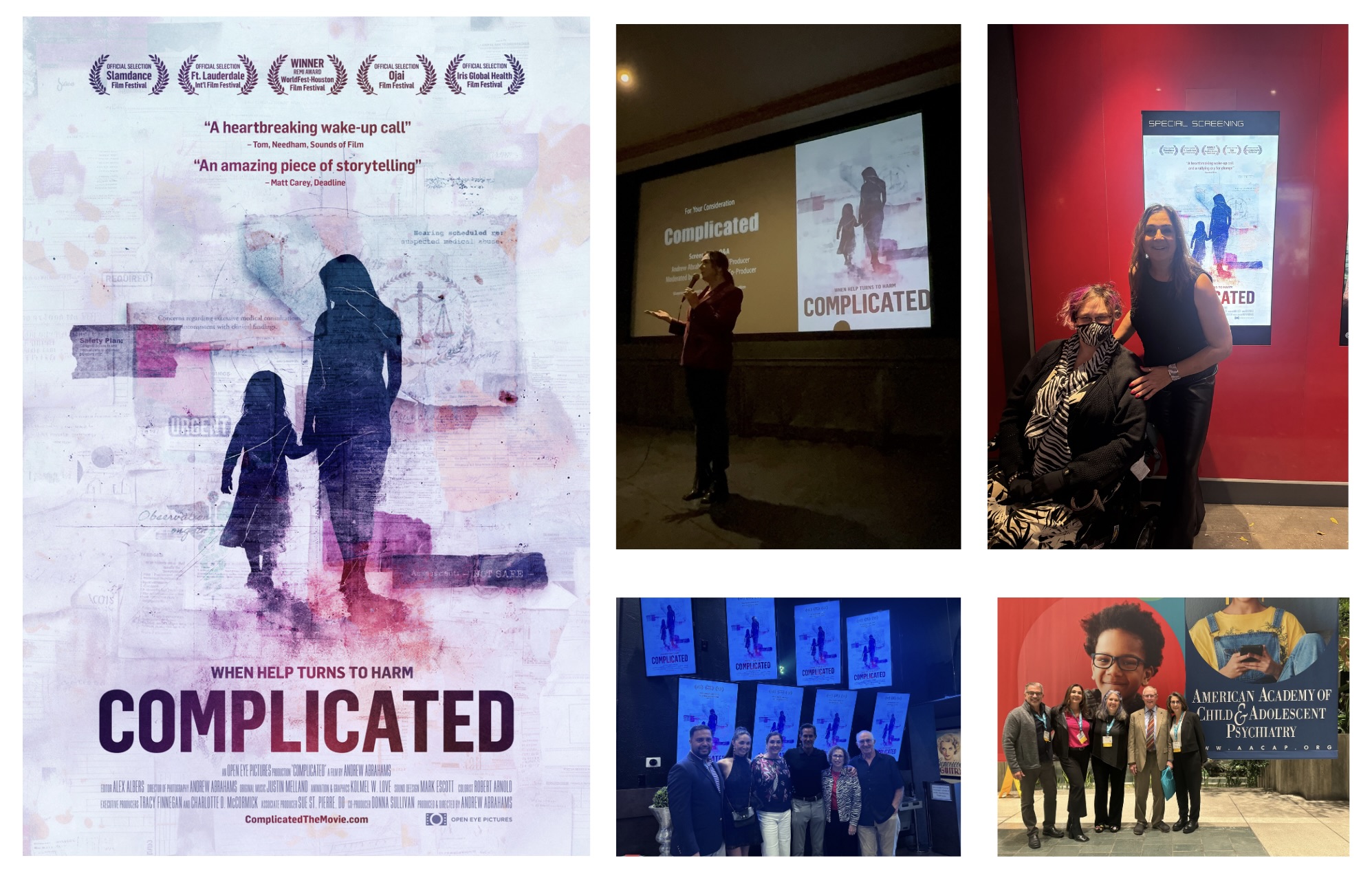
- 2024–2025: The Festival Circuit. Director Andrew Abrahams and the production team took the film to medical conferences and independent festivals. The goal was to bridge the gap between patient narratives and clinical perspectives.
- May 2026: The Milestone Release. With the film landing on Apple TV on May 19, the project transitions from a narrative tool to a catalyst for policy change, education, and clinical advocacy.
The Anatomy of the Care Gap
To understand why Complicated is a watershed moment, one must first look at the "care gap." For years, patient data collection—often performed by entities with narrow, predefined agendas—failed to capture the full scope of the EDS experience. This exclusion created a feedback loop where clinicians were not trained to recognize the multisystemic nature of the syndrome, leading to misdiagnoses and, in extreme cases, the pathologizing of parental care.
"There is a lot of talk about the importance of lived patient experience," says DM Sullivan, "but for far too long, the surveys and entities collecting this data had a narrow focus. They did not capture, and sometimes intentionally excluded, the full scope of experiences that people are having."
This is the "lived experience" the film brings to the forefront: the exhausting reality of being a caregiver to a child whose symptoms are dismissed as psychosomatic or, worse, the result of intentional harm. The film’s raw, unflinching look at these interactions has resonated with both providers and patients, shifting the narrative from "what is wrong with the patient" to "what is wrong with the diagnostic framework."
Clinical Data and the Path Toward 2026
The optimism surrounding EDS awareness this year is not merely emotional; it is rooted in tangible scientific and clinical progress.
The Research Surge
Over the past 12 months, a flurry of research papers has begun to validate what patients have insisted for decades: EDS is not a localized, isolated issue, but a systemic condition with profound multisystemic implications. These findings are crucial, as they provide the objective, peer-reviewed data necessary to sway medical boards and hospital protocols.
The New Diagnostic Frontier
The Ehlers-Danlos Society is currently finalizing new diagnostic criteria, expected in late 2026. This is a vital development; for many patients, the lack of standardized, updated criteria is the primary hurdle to receiving insurance coverage, specialist referrals, and appropriate treatment plans.
Institutional Integration
The University of Virginia (UVA) has emerged as a beacon of progress. By hosting the EDS Symposium and opening a second comprehensive EDS clinic in the United States, UVA is pioneering a model that integrates medical research directly into clinical care. This "bench-to-bedside" approach is exactly what advocates hope will become the gold standard for EDS centers nationwide.
The Persistent Reality: A Personal Perspective
Despite these institutional advancements, the struggle remains deeply personal. The irony of this moment is not lost on the film’s producers. Sullivan, while championing the film’s release, has recently found herself once again in the role of a caregiver.
When her youngest daughter developed Long COVID, it acted as a catalyst for new symptoms tied to her existing EDS. The experience was a sobering reminder of the distance still left to travel. "I’ve found myself back in that role as a mom and caregiver, navigating a space that is all too familiar," Sullivan notes. "Even at top-tier hospitals, I am still encountering physicians who do not recognize these symptoms as EDS-related."
This recurring cycle—where progress is made in research, yet implementation in the exam room remains sluggish—is the driving force behind the film’s mission. It is a stark reminder that knowledge in a journal does not automatically translate to empathy or competence in a clinical setting.
Implications for the Future of Healthcare
The release of Complicated on Apple TV is not the end of the project; it is the beginning of a larger, more structured effort. The implications for the medical community and the legal system are significant:
1. Reforming Medical Education
The film serves as an educational tool for medical schools and hospital systems. By showing the consequences of ignoring patient history, it forces a conversation about the need for better training regarding rare, multisystemic conditions.
2. Legal Protections for Families
One of the most critical components of the initiative is support for families targeted by Child Protective Services (CPS) due to medical bias. By partnering with organizations like ElevateRare.org, the documentary aims to provide a lifeline to those who have been unfairly investigated. The goal is to move toward a system where complex medical presentations are treated with curiosity and consultation rather than suspicion and separation.
3. Empowerment Through Community
The feedback from screenings—where both patients and doctors have cried and confessed their frustrations—proves that there is a shared desire for change. By fostering these "difficult conversations," the film aims to create new pathways for care that prioritize the patient-provider relationship.
How to Get Involved
As the film enters the public sphere, the creators are calling for a unified front. The focus is now on collective action.
- Virtual Screening: For those who cannot wait for the May 19th release, a special virtual screening is scheduled for Saturday, May 2nd, from 2:00 PM to 4:00 PM (EST). The event includes a live Q&A with the families featured in the film, offering an intimate look at their ongoing journeys. Tickets are available via Eventbrite.
- Support for the Impacted: If your family has faced investigations by child protective services related to your medical care, resources and community support are available at ElevateRare.org.
Conclusion: The Real Work Begins
The release of Complicated marks the transition from awareness to action. For the EDS community, the "moment" is not just this May, but the months and years ahead as they utilize the film to demand better diagnostic tools, increased clinical research, and, most importantly, the recognition of the patient’s voice.
As the credits roll on Complicated, the question posed by the audience—"How can we work together to fix this?"—is no longer a rhetorical expression of sympathy. It is a mandate. The film has provided the platform, the data has provided the foundation, and now, as the producers assert, the real work begins. The future of EDS care depends on turning that shared sense of mission into institutional, systemic, and lasting change.