Date: May 6, 2026
Subject: Cardiovascular Clinical Research
Source: TCTMD Talking Points
Introduction: A New Frontier in Primary Prevention
In the evolving landscape of cardiovascular medicine, the focus has long been dominated by secondary prevention—treating those who have already suffered a myocardial infarction (MI) or stroke. However, a significant clinical gap remains for individuals who are at high risk for cardiovascular (CV) events but have not yet experienced a major clinical event. The VESALIUS-CV trial, a landmark study in the field of lipid management, seeks to address this challenge by evaluating the efficacy of evolocumab, a potent PCSK9 inhibitor, in this specific high-risk, primary-prevention population.
In this installment of TCTMD Talking Points, Paul Burton and Dr. C. Michael Gibson delve into the trial’s design, the patient population involved, and the implications of these findings for future clinical practice.
Main Facts: The VESALIUS-CV Study Design
The VESALIUS-CV trial was designed to test the hypothesis that lowering low-density lipoprotein cholesterol (LDL-C) significantly below traditional thresholds using evolocumab can reduce the risk of major adverse cardiovascular events (MACE) in patients who have not yet manifested clinical coronary heart disease.
Unlike previous landmark trials involving PCSK9 inhibitors—which primarily focused on patients with established cardiovascular disease (secondary prevention)—VESALIUS-CV targeted a "primary prevention" cohort. These are patients identified as being at high risk due to various factors, including dyslipidemia, metabolic syndrome, and other clinical markers, yet they lack the history of prior MI or stroke that usually triggers the most aggressive lipid-lowering interventions.
Key Study Parameters:
- Intervention: Evolocumab (a monoclonal antibody targeting PCSK9).
- Population: High-risk patients without prior MI or stroke.
- Primary Objective: To evaluate the impact of intensive LDL-C reduction on the composite endpoint of cardiovascular death, myocardial infarction, stroke, and urgent coronary revascularization.
Chronology of the Trial
The path to the results presented on May 6, 2026, has been one of rigorous academic and clinical scrutiny.
- Pre-Trial Phase: Recognizing that elevated LDL-C is a causal factor in atherosclerosis, investigators identified a clear need for a large-scale, randomized, placebo-controlled trial to determine if the benefits observed in secondary prevention cohorts would translate to those at high primary risk.
- Initiation: The trial was launched to recruit a global, diverse population of high-risk individuals, ensuring that the findings would be generalizable across different healthcare settings.
- Data Collection and Monitoring: Over the course of the trial, participants were monitored for long-term adherence and the development of clinical endpoints. The use of a robust data safety monitoring board ensured the integrity of the results.
- The May 2026 Presentation: The formal analysis and discussion, led by experts like Dr. C. Michael Gibson, provided the cardiology community with the finalized dataset, sparking debate on current cholesterol guidelines and the potential for "earlier intervention" strategies.
Supporting Data: Why PCSK9 Matters
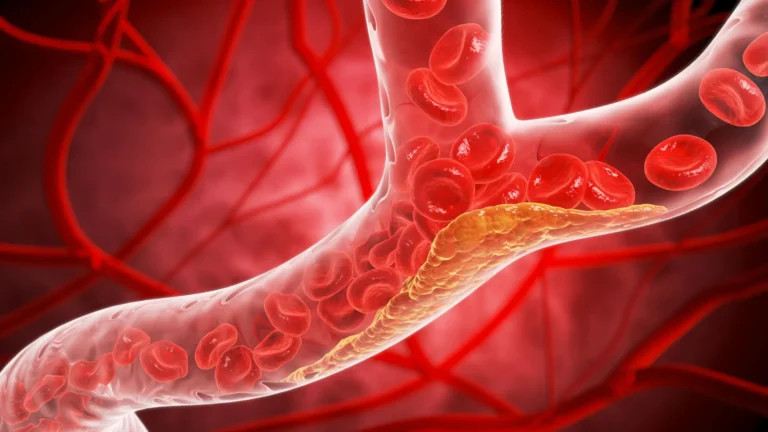
The rationale for the VESALIUS-CV trial rests on the "cumulative exposure" model of atherosclerosis. LDL-C is not merely a snapshot measurement; it is a cumulative burden. The longer an individual’s vascular wall is exposed to elevated LDL-C, the greater the likelihood of plaque development and eventual clinical catastrophe.
The Mechanism of Action
Evolocumab works by inhibiting the PCSK9 protein, which leads to an increase in the number of LDL receptors on the surface of liver cells. This allows the liver to clear more LDL-C from the bloodstream, leading to dramatic reductions in circulating cholesterol levels. While statins remain the cornerstone of therapy, they have limitations in terms of efficacy ceiling and patient tolerability. PCSK9 inhibitors provide a path for patients who are unable to achieve target lipid levels with oral therapies alone.
Data Points and Clinical Endpoints
During the discussion, the panel highlighted the reduction in MACE observed in the treatment arm. By achieving significant, sustained reductions in LDL-C, the trial demonstrated that the progression of subclinical atherosclerosis could be slowed or potentially halted. The data suggests that for high-risk primary prevention patients, the benefit-to-risk ratio of adding a PCSK9 inhibitor is favorable, particularly when oral lipid-lowering agents are insufficient.
Official Responses and Expert Analysis
In the TCTMD Talking Points discussion, Paul Burton and Dr. C. Michael Gibson offered critical commentary on the trial’s implications.
Dr. Gibson noted that the "primary prevention" label is becoming increasingly nuanced. "We are moving away from treating events to treating risk," he observed. The panel discussed how the trial reinforces the concept that "lower is better" and "earlier is better." However, they also raised necessary questions regarding the cost-effectiveness of PCSK9 inhibitors in a primary prevention setting, acknowledging that healthcare systems must weigh the clinical benefits against the current price points of biological therapies.
The panel also addressed the safety profile of evolocumab. With long-term data now available, the lack of significant adverse events or off-target effects continues to bolster the case for the drug’s safety in a broader, more stable patient population.
Implications for Clinical Practice
The findings of the VESALIUS-CV trial are expected to influence upcoming updates to cardiovascular guidelines. If the evidence supports a strong reduction in MACE for high-risk primary prevention patients, cardiologists may be empowered to initiate PCSK9 inhibitor therapy much earlier in the patient’s journey.
Shifting the Paradigm
- Risk Stratification: The trial necessitates more sophisticated risk stratification tools. Clinicians must identify which "high-risk" patients truly benefit from aggressive PCSK9 inhibition versus those who might reach their goals with lifestyle changes and statins alone.
- Patient Selection: The focus will likely shift toward patients with specific profiles—such as familial hypercholesterolemia, diabetes with multiple comorbidities, or high-risk scores that indicate a significant threat of a first-time event.
- Policy and Access: The real-world application of these findings will depend heavily on insurance coverage and drug pricing. For the trial results to change standard practice, the medical community must advocate for policies that make these life-saving drugs accessible to those who need them before a heart attack occurs.
Conclusion
The VESALIUS-CV trial marks a pivotal moment in preventive cardiology. By demonstrating that potent lipid-lowering therapy can be effective and safe in patients who have yet to suffer a major event, the study challenges the medical community to be more proactive.
As the debate continues, clinicians are encouraged to review the full data, listen to the expert analysis provided in the TCTMD Talking Points podcast, and consider how these findings might be integrated into their own patient management strategies. The future of cardiovascular health, it seems, lies not just in treating the damage, but in preventing the disease from ever taking hold.
For more information on this trial and to stay updated on the latest in cardiovascular research, visit TCTMD.com and subscribe to our ongoing podcast series.