






By Editorial Staff, Chronic Pain Partners
April 2026
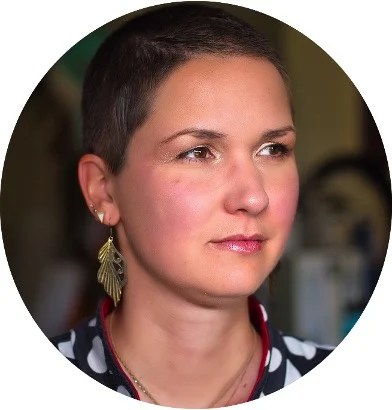
In the landscape of chronic illness advocacy, few voices have resonated with as much clarity, empathy, and journalistic rigor as that of Karina Sturm. After seven years of transformative leadership, Sturm is officially stepping down from her role as Editor-in-Chief at Chronic Pain Partners. Her departure marks the end of a pivotal chapter for the organization, one defined by the elevation of patient narratives and the rigorous pursuit of scientific clarity in the realm of Ehlers-Danlos Syndromes (EDS) and invisible disabilities.
The Architect of Awareness: Main Facts
Karina Sturm’s tenure at Chronic Pain Partners, beginning in 2019, represents a fundamental shift in how the organization approached digital content and community engagement. As Editor-in-Chief, Sturm did not merely manage a publication; she curated a lifeline for a community often marginalized by the medical establishment.
Her work was characterized by a unique dual perspective: that of a trained journalist and that of a person living with EDS. This intersectionality allowed her to bridge the gap between complex medical research and the lived experience of the patient. Under her guidance, the organization’s digital footprint expanded significantly, transforming from a traditional advocacy group into a multimedia powerhouse that prioritized the intellectual and emotional needs of its readership.
A Chronology of Impact
To understand the weight of Sturm’s departure, one must look at the timeline of her contributions, which served as a blueprint for modern disability journalism.
2019: The Foundation
Sturm joined the organization during a period of critical growth. Her immediate focus was on professionalizing the narrative style of Chronic Pain Partners. She recognized early on that the community needed more than just symptom lists; they needed nuanced, investigative storytelling that validated their struggles while demanding better care.
2021: The Newsletter Revolution
Perhaps her most enduring administrative legacy was the 2021 launch of the organization’s bi-monthly newsletter. What began as a modest communication tool blossomed under her editorial oversight into a vital resource reaching over 15,000 subscribers. This newsletter became a cornerstone of the community, offering a curated digest of research, legislative updates, and deeply personal patient profiles.
2022–2025: Award-Winning Storytelling
During these years, Sturm pivoted toward long-form multimedia journalism. She produced a series of award-winning films that shed light on the realities of living with invisible disabilities. Perhaps most notably, her piece on the "Lego Oma"—a project highlighting how creativity can serve as a conduit for overcoming systemic barriers—garnered international acclaim. It showcased her hallmark ability to find the profound in the everyday.
Supporting Data and Editorial Reach
The metrics of Sturm’s tenure tell a story of quantifiable success, but they also reflect the trust she built with the community. Managing an editorial calendar that produced dozens of articles annually, Sturm ensured that each piece met high journalistic standards—an rarity in the often-unregulated sphere of health advocacy.
- Audience Growth: Under her editorial direction, the organization saw a steady climb in engagement, with the newsletter acting as a primary driver for community retention.
- Content Diversity: Her editorial board prioritized a diverse range of voices, ensuring that the intersectionality of race, gender, and disability status was represented in the organization’s output.
- Research Integration: Sturm maintained a strict adherence to evidence-based reporting. By collaborating with medical professionals and patient advocates alike, she ensured that the information shared was not only compassionate but scientifically sound.
Official Responses and Reflections
In an official statement, the leadership at Chronic Pain Partners expressed profound gratitude for Sturm’s commitment. "Karina’s drive and mission have always been deeply personal, shaped by her own journey with EDS and invisible disability," the statement read. "Since joining us in 2019, Karina has poured her heart and soul into our mission… she always brought a rare level of compassion and commitment to her work."
The sentiment across the organization is one of transition. Colleagues have noted that Sturm’s leadership style was one of "radical empathy." She was known for mentoring younger writers, encouraging them to speak truth to power, and fostering an environment where the "invisible" nature of their conditions was treated with the visibility it deserved.
The Implications of a Leadership Shift
Sturm’s departure leaves a significant void, yet it also invites a period of reflection on the future of disability advocacy. As the organization looks toward its next phase, the framework Sturm established remains. She proved that there is a viable, high-demand market for high-quality, long-form journalism focused on chronic illness.
The Professionalization of Advocacy
One of the primary implications of Sturm’s work is the increased expectation for professionalism in patient-led organizations. By treating the patient experience with the gravity of political or economic reporting, she helped set a new standard. Future editors will be expected to maintain this standard—the ability to balance technical medical knowledge with the human-centric storytelling that defines the patient experience.
The Role of the Individual Journalist
Sturm’s tenure highlights a modern trend in the non-profit sector: the rise of the "advocate-journalist." By maintaining her own independent platform, she demonstrated how an individual can leverage their personal brand to amplify the mission of a larger organization. For those looking to follow her work, she continues to maintain a robust digital presence at karina-sturm.com, where she will undoubtedly continue to advocate for the rights and recognition of the disabled community.
Looking Ahead: A Community in Transition
As the organization enters the second quarter of 2026, the search for a successor will be guided by the legacy Sturm left behind. The incoming leadership will inherit a robust, highly engaged subscriber base and a library of content that serves as a cornerstone of EDS education.
For the readers of Chronic Pain Partners, this transition is not just a change in leadership; it is a moment to recognize the work that has been done and the work that remains. The community is, in many ways, more informed and more connected than it was seven years ago, thanks in no small part to the editorial vision of Karina Sturm.
"We wish you all the best and can’t wait to see what you do next!" the organization’s statement concluded. While her time as Editor-in-Chief has concluded, the impact of her reporting, her filmmaking, and her dedication to the truth ensures that her influence will be felt in the chronic pain community for years to come.
As we look toward the future, the challenge for the organization will be to continue the momentum Sturm created—continuing to tell the stories that others overlook, and continuing to demand the level of care that the patient community deserves. For now, the community takes a collective breath to thank a leader who turned her own vulnerability into a source of collective strength.