








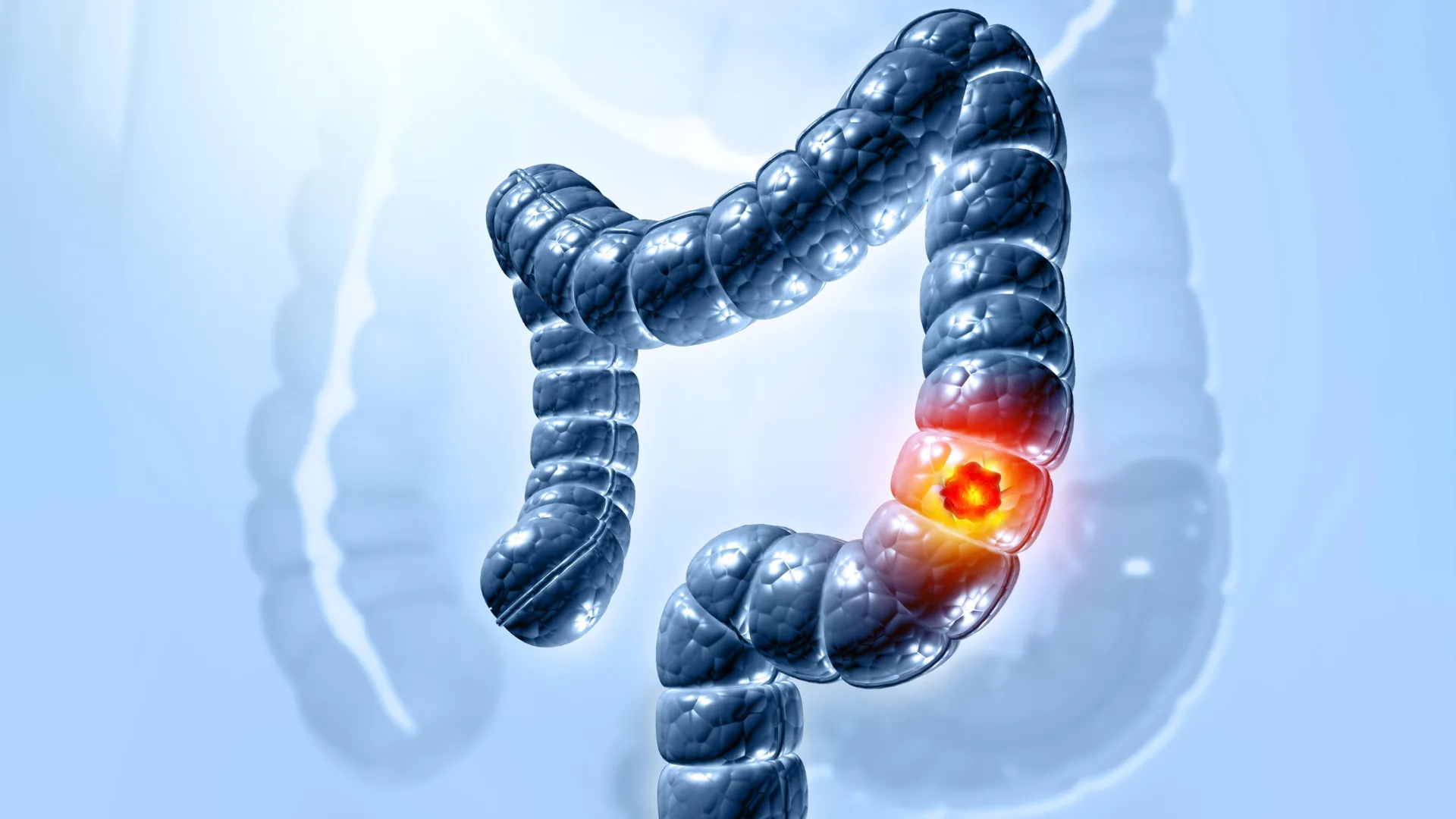
Colorectal cancer remains a formidable global health challenge. As one of the most prevalent malignancies in Western nations, it stands as a leading cause of cancer-related mortality. While medical science has long acknowledged that age, dietary habits, and sedentary lifestyles contribute to disease progression, the biological "trigger" remains elusive. For decades, the medical community has grappled with why some individuals develop the disease while others, sharing similar lifestyles, do not.
Now, a groundbreaking study led by researchers at the University of Southern Denmark and Odense University Hospital is shifting the paradigm. By peering into the "dark matter" of the human digestive system—the gut microbiome—scientists have identified a previously unknown virus lurking within a common bacterium. This discovery suggests that the secret to colorectal cancer may not lie in our genes alone, but in the complex, microscopic interactions occurring within our own intestines.
The Paradox of Bacteroides fragilis
For years, clinical microbiologists have been fixated on Bacteroides fragilis, a bacterium that is a ubiquitous inhabitant of the human gut. While it is a normal, healthy part of the digestive flora for the vast majority of people, it has paradoxically been identified in high concentrations within the tumors of colorectal cancer patients.
"It has been a paradox that we repeatedly find the same bacterium in connection with colorectal cancer, while at the same time it is a completely normal part of the gut in healthy people," explains Dr. Flemming Damgaard, a medical doctor and PhD researcher at the Department of Clinical Microbiology at Odense University Hospital.
This contradiction created a scientific impasse: if the bacterium itself is harmless in most, why is it associated with cancer in others? The research team hypothesized that the answer was not in the bacterium as a whole, but in its internal components. By investigating the genetic variations and viral loads within Bacteroides fragilis, the team successfully cracked the code.
Chronology of a Scientific Breakthrough
The path to this discovery was neither linear nor simple; it was a process of rigorous data mining and validation that spanned several years.
Phase 1: The Danish Population Signal
The investigation began with a massive cohort study involving approximately two million people in Denmark. Researchers focused specifically on patients who had been hospitalized for serious bloodstream infections caused by Bacteroides fragilis. Through meticulous medical record-keeping, the team identified a subset of these patients who were diagnosed with colorectal cancer shortly after their infection.
By comparing the genetic makeup of the bacteria found in these cancer patients against samples from healthy individuals, the researchers noticed a striking discrepancy: the bacteria from cancer patients were consistently carrying a specific, previously undescribed bacteriophage—a virus that infects and replicates within bacteria.
Phase 2: Hypothesis and Global Validation
Having identified a potential "viral signature" in the Danish cohort, the team needed to confirm that this was not a localized anomaly. To test the robustness of their findings, they turned to a global dataset. They analyzed stool samples from 877 individuals across Europe, the United States, and Asia. The results were statistically significant: individuals with colorectal cancer were approximately twice as likely to harbor these specific viruses within their gut microbiome compared to their healthy counterparts.
"It was important for us to examine whether the association could be reproduced in completely independent data," says Dr. Damgaard. "And it could."
Supporting Data: Understanding the Microbiome
The human microbiome is an ecosystem of staggering complexity. It consists of trillions of microorganisms, including bacteria, viruses, and fungi. For years, the difficulty in studying this ecosystem has been compared to "looking for a needle in a haystack."
The researchers’ decision to focus on the virus-bacterium interaction proved to be the right pivot. By identifying that the virus is not just a passenger but an active participant in the bacterial environment, the team has provided a new mechanism for understanding how the gut environment shifts toward a pro-carcinogenic state.
Key Data Points:
- Study Scale: The initial observations were pulled from a two-million-person Danish population registry.
- Validation Cohort: 877 participants across three continents (Europe, Asia, North America) confirmed the correlation.
- Risk Profile: Patients with the virus-carrying bacteria were found to have a significantly higher statistical association with colorectal cancer diagnosis.
- Diagnostic Potential: Preliminary analysis suggests that these viral markers could potentially identify up to 40% of colorectal cancer cases in specific clinical settings.
The Mechanism: How Viruses Alter Bacterial Behavior
The discovery of these bacteriophages raises a critical question: what is the virus doing to the bacterium? Bacteriophages are known to alter the genetic expression and metabolic output of their bacterial hosts.
If the presence of this virus changes how Bacteroides fragilis interacts with the human intestinal lining, it could theoretically trigger chronic inflammation or alter the signaling pathways that normally prevent cell mutation. While the researchers emphasize that they have not yet established a direct causal link—meaning they cannot say for certain that the virus causes the cancer—the statistical correlation is too strong to ignore.
"We do not yet know whether the virus is a contributing cause, or whether it is simply a sign that something else in the gut has changed," Dr. Damgaard notes. "However, the interaction between the bacterium and its virus appears to be the crucial element we were missing."
Implications for Clinical Practice and Screening
The current standard for colorectal cancer screening often involves the Fecal Immunochemical Test (FIT), which looks for hidden blood in stool samples. While effective, it is not always sensitive to early-stage lesions.
The identification of these viral markers opens a new, highly specific avenue for diagnostic screening. If a test can be developed to detect these specific bacteriophages, it could act as a "liquid biopsy" for the gut, identifying high-risk individuals long before a tumor becomes symptomatic or bleeds.
Potential Future Applications:
- Risk Stratification: Using viral presence as a biomarker to categorize patients into low-risk and high-risk groups for more frequent colonoscopy monitoring.
- Targeted Therapies: If future research proves the virus is a causal factor, it may be possible to develop phage-targeted therapies or specialized probiotics that displace the "viral-infected" bacteria.
- Preventative Screening: Integrating viral screening into routine check-ups for individuals with a family history of colorectal cancer.
Expert Insights: Three Questions for Dr. Flemming Damgaard
To further contextualize the findings, we posed three fundamental questions to the lead researcher:
Q: What exactly did you set out to investigate?
A: "We set out to bridge the gap in our understanding of why some individuals develop colorectal cancer while others do not. Specifically, we wanted to know how the gut microbiome—beyond just the presence of bacteria—contributes to the disease’s development."
Q: What is the most significant takeaway from your study?
A: "The discovery of a previously undescribed virus that infects gut bacteria in patients with colorectal cancer is the most significant finding. It changes how we view the microbiome; it’s not just the bacteria that matter, but the viruses that reside within them."
Q: How do you envision these results being applied in the real world?
A: "In the long term, we hope to use these viruses as a diagnostic tool. By testing for their presence in stool samples, we could potentially assess the risk of colorectal cancer more accurately, which would lead to earlier interventions and, ultimately, better patient outcomes."
Looking Ahead: The Future of Microbiome Research
The research team is not resting on these initial findings. They are currently engaged in several ongoing projects designed to move from statistical association to biological causation.
Understanding the "why" behind this viral presence is the next major hurdle. Is the virus a byproduct of an already cancerous environment, or does it actively prime the environment for malignancy? Furthermore, the team is exploring how environmental factors—such as diet and antibiotic use—influence the prevalence of these viruses.
As science continues to peel back the layers of the human microbiome, it becomes increasingly clear that we are host to a vast, invisible world. This study serves as a poignant reminder that in the battle against cancer, the most important breakthroughs may not be found in the stars, but within the microscopic ecosystems we carry within us every day.
For now, the medical community waits with cautious optimism. While it is too early to deploy this as a standard diagnostic tool, the groundwork has been laid. We are one step closer to understanding the hidden viral narrative of colorectal cancer, potentially offering millions of people a better chance at early detection and a life free from this devastating disease.