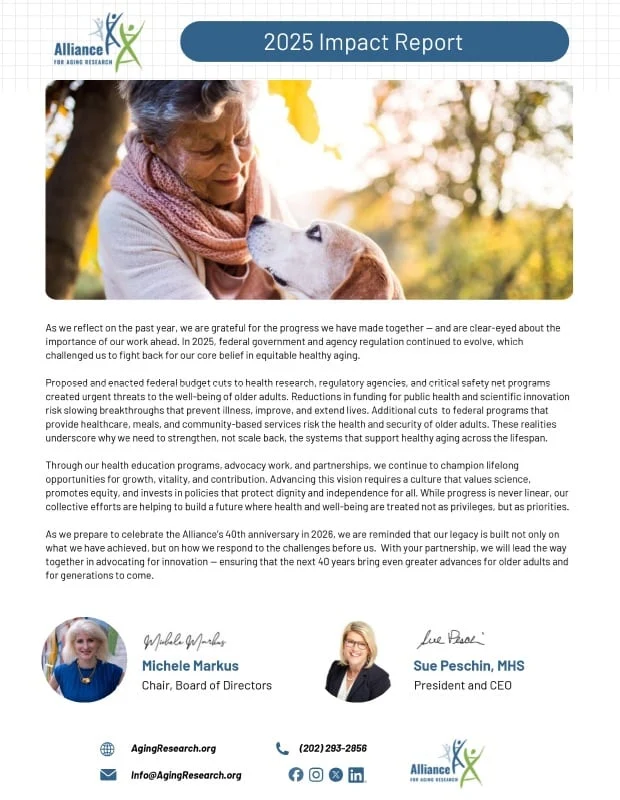








As the autumn leaves settle and families across the nation prepare to gather for Thanksgiving, the holiday serves as more than just a seasonal milestone; it is a profound intersection of reflection, legacy, and the evolving narrative of human longevity. For the Alliance for Aging Research, this year’s festivities are underscored by a sobering reality: while we celebrate the gift of time, the systemic supports required to make those years healthy and dignified are under unprecedented strain.
In a candid reflection, Katie Riley, Vice President of Communications at the Alliance, invites us to look past the superficial warmth of the holiday table to confront the structural challenges facing older adults today. Amidst budget austerity and legislative volatility, the quest to ensure that "aging" is viewed as a journey of potential rather than a period of decline has never been more urgent.
The State of Aging: A Landscape of Headwinds
The current climate for aging research and advocacy is defined by what many policy experts describe as an "uphill battle." While medical science is advancing at a breathtaking pace, the infrastructure designed to translate that science into patient access is showing significant signs of wear.
The Fiscal Squeeze
Recent months have seen a series of alarming shifts in public policy. Budgetary contractions at both federal and state levels have begun to erode the financial foundations of crucial research initiatives. For the Alliance, these cuts are not merely line items on a spreadsheet; they represent delayed clinical trials, shuttered community centers, and a reduction in the nutritional and social programs that form the backbone of the "Age-Friendly" ecosystem.
The Crisis of Accessibility
Beyond the laboratory, the economic burden of aging is mounting. As medical breakthroughs in Alzheimer’s, cardiovascular disease, and chronic pain management reach the market, the issue of affordability has reached a boiling point. High medication costs, coupled with fragmented access to specialized care, create a "wealth-gap" in longevity—where the quality of one’s golden years is increasingly dictated by their socioeconomic status rather than biological necessity.
A Chronology of Advocacy: The Alliance’s Response
To understand the current urgency, one must look at the progression of the Alliance’s advocacy efforts over the past year.
- Q1 2025: Mobilization Against Funding Cuts. The year began with a proactive push against proposed federal budget resolutions that threatened to slash funding for the National Institute on Aging (NIA). The Alliance mobilized researchers and advocates to illustrate the long-term cost of short-term savings.
- Q2 2025: The Clinical Trial Crisis. As pharmaceutical pipelines faced bottlenecks, the Alliance highlighted the need for more inclusive clinical trials that reflect the actual demographic profile of the aging population.
- Q3 2025: Community Outreach and Nutrition. Amidst rising food insecurity, the focus shifted to the grassroots level. The Alliance campaigned for the protection of programs providing home-delivered meals and community social activities, emphasizing that isolation is a primary driver of cognitive decline.
- Q4 2025: The Thanksgiving Reflection. As the year concludes, the focus has pivoted toward cultural messaging—reclaiming the narrative of aging as a vital, productive phase of life.
Supporting Data: The Cost of Inaction
The necessity of the Alliance’s work is backed by cold, hard data. According to recent demographic shifts, the population of adults aged 65 and older is expected to grow by nearly 50% by 2050.
- The Funding Gap: For every dollar spent on reactive, acute care for chronic conditions, only cents are currently allocated to preventative aging research.
- The Loneliness Epidemic: Recent studies indicate that social isolation in older adults is associated with a 50% increased risk of dementia and a 26% increased risk of all-cause mortality. The programs being slashed today are the very interventions needed to combat these figures.
- Medication Adherence: Data shows that when medication costs exceed 10% of a household’s discretionary income, older adults are 30% more likely to skip doses, leading to a cascade of preventable hospitalizations.
Official Perspectives: The Institutional Vision
The Alliance remains steadfast in its mission. According to organizational leadership, the strategy moving forward is two-fold: high-level legislative advocacy and low-level community empowerment.
"We are not just fighting for funding," says Riley. "We are fighting for the dignity of the human experience. When you cut a nutrition program, you aren’t just saving money; you are removing a vital social link for a senior who might otherwise go days without speaking to another human being."
The Alliance argues that the "fear of aging" is a societal construct that hinders progress. By rebranding aging as a "journey of potential," the organization aims to shift the focus toward life-course health—the idea that the investments we make today in the health of our older citizens will pay dividends for the entire economy tomorrow.
Implications for the Future: A Call to Action
The implications of the current policy environment are far-reaching. If the current trajectory of funding cuts and rising costs continues, the nation faces a looming "care gap" where the demand for specialized elder care will far outpace the availability of both personnel and resources.
However, the Alliance posits that there is a path forward. This path requires:
- Sustainable Research Investment: Decoupling medical research funding from short-term fiscal cycles to ensure multi-year clinical trials remain viable.
- Policy Innovation: Implementing value-based care models that incentivize preventative health interventions over reactive emergency care.
- Intergenerational Dialogue: Bridging the gap between the generations.
Honoring the Wisdom of the Table
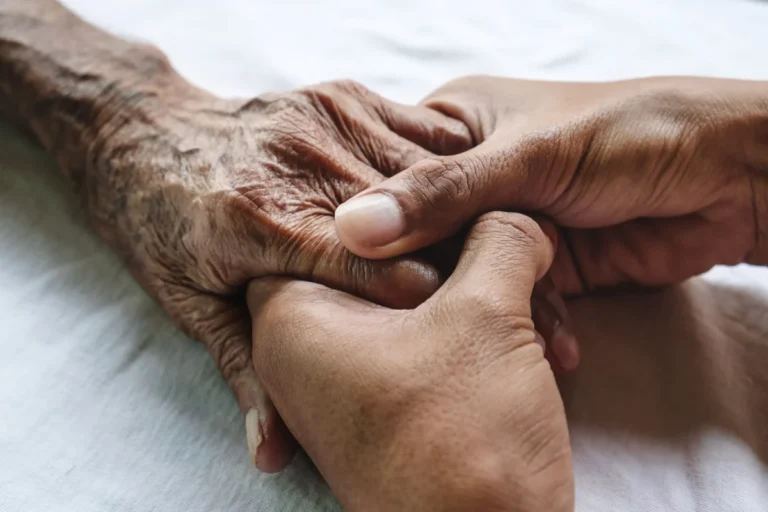
As families gather this Thanksgiving, there is a tangible opportunity to bridge the generational divide. Riley’s advice is simple yet transformative: Listen.
Older adults are the keepers of institutional memory. They hold the narratives of past challenges overcome—the hardships of war, the innovations of the industrial age, and the nuances of personal resilience. When we invite our older loved ones to speak, we are not just exchanging pleasantries; we are accessing a reservoir of wisdom that can help younger generations navigate their own current hurdles.
How to Engage this Holiday:
- Ask for Stories: Move beyond the "how are you?" and ask about the moments that defined their perspective on life.
- Acknowledge the Hard and the Happy: Normalize the complexities of aging. It is not always a period of decline; it is a complex, often beautiful, and sometimes grueling transition that deserves empathy.
- Identify Needs: Use this time to observe. Are there signs of isolation? Are there difficulties with daily tasks? A quiet, observational approach can lead to better support systems for the coming year.
Conclusion: A Future of Grace
The work of the Alliance for Aging Research is, at its core, a fight for the future of us all. As we sit down to our meals this year, let us hold the tension between the festive atmosphere and the reality of the challenges we face.
The Alliance remains committed to a world where we can all age with grace, dignity, and access to the medical breakthroughs that make life worth living. It is a mission fueled by gratitude for the past and a fierce determination to protect the future.
As we give thanks for the people around our tables, let us also commit to advocating for the policies that ensure those chairs remain filled, supported, and valued for years to come. Wishing you a peaceful and profoundly grateful Thanksgiving.