








For generations, the marriage of savory, hickory-smoked sausage and the tangy, fermented crunch of sauerkraut has stood as a cornerstone of comfort food. While rooted deeply in German and Central European culinary traditions, this iconic pairing has transcended its ethnic origins to become a staple of American dining. Whether you are seeking a hearty meal in a traditional beer hall or a quick, high-quality bite at a fast-casual venue, the appeal of this dish lies in the perfect balance of fats, salt, and acidity.
In this comprehensive guide, we explore the history, cultural impact, and the best places across the United States to find the gold standard of smoked sausage and sauerkraut.
The Historical Significance of the Sausage-Kraut Pairing
The combination of preserved meats and fermented cabbage is not merely a matter of flavor; it is a masterpiece of historical food preservation. For centuries, Central European households relied on lacto-fermentation to ensure a supply of vegetables throughout harsh winters. Sauerkraut, which is cabbage fermented by various lactic acid bacteria, provided essential Vitamin C and probiotics to populations that otherwise faced limited nutritional options during the colder months.
Simultaneously, the art of sausage-making allowed for the preservation of pork and beef through smoking, curing, and drying. When combined, the high-fat content of the sausage is expertly cut by the sharp, acidic profile of the kraut. This culinary chemistry is why the dish has persisted for centuries, traveling from the kitchens of the Old World to the diverse food landscapes of the United States, particularly in areas with heavy German, Dutch, and Scandinavian immigrant populations, such as the Midwest and the Great Lakes region.
Chronology: From Old World Staples to Modern Chains
- Pre-19th Century: Traditional fermentation methods for cabbage (Sauerkraut) become a survival mechanism in Central Europe. Sausage-making techniques evolve into regional specialties like Bratwurst, Knockwurst, and Weisswurst.
- Late 1800s: European immigrants arrive in America in large waves, bringing their culinary traditions. Local delis and butcher shops in cities like Chicago, Milwaukee, and Columbus become hubs for these recipes.
- Mid-20th Century: The rise of the American restaurant chain allows regional specialties to go national. Concepts that emphasize "beer garden" culture begin to proliferate.
- 21st Century: A renewed interest in "authentic" and "hand-crafted" food drives fast-casual chains to focus on higher-quality, hormone-free, and natural-casing meats, elevating the standard for quick-service sausage dishes.
Top 4 Chain Restaurants Serving Superior Sausage and Kraut
For those who find themselves craving the perfect bite of snap-casing sausage and tangy cabbage, the following four chains have mastered the art.
1. Hofbrauhaus: The Authentic Beer Hall Experience
Hofbrauhaus is arguably the gold standard for those seeking an authentic Bavarian atmosphere. With locations designed to mirror the original Munich institution, it offers more than just food; it offers an experience.
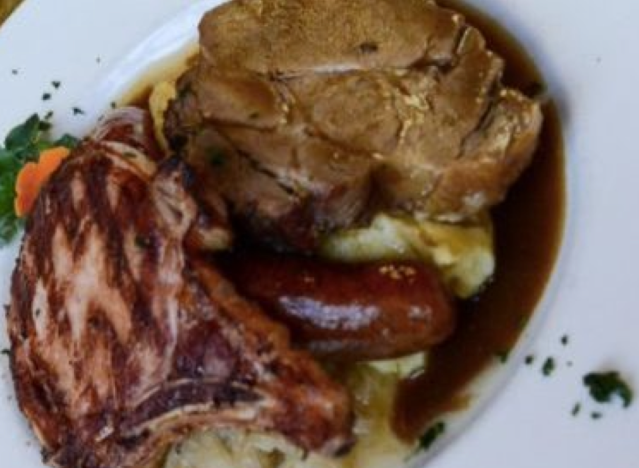
- The Bavarian Specialties Plate: This is the flagship dish for those who want to sample everything. It features a robust combination of smoked pork loin, tender pork roast, and high-quality smoked sausage. Served alongside their signature dark beer sauce, creamy mashed potatoes, and perfectly prepared sauerkraut, it is an exercise in culinary indulgence.
- The Sausage Plate: For the purist, the Sausage Plate is the way to go. It offers a variety of sausages, including Vienna-style Frankfurters and a mix of pork and chicken sausages. The inclusion of onion mustard adds a sharp, pungent kick that complements the earthiness of the imported kraut.
2. Schmidt’s Sausage Haus: A Legacy of Quality
Located in the historic German Village of Columbus, Ohio, Schmidt’s is a destination for food enthusiasts. Having transitioned from a modest butcher shop to a legendary dining destination, their commitment to the "Old World" flavor profile is unmatched.
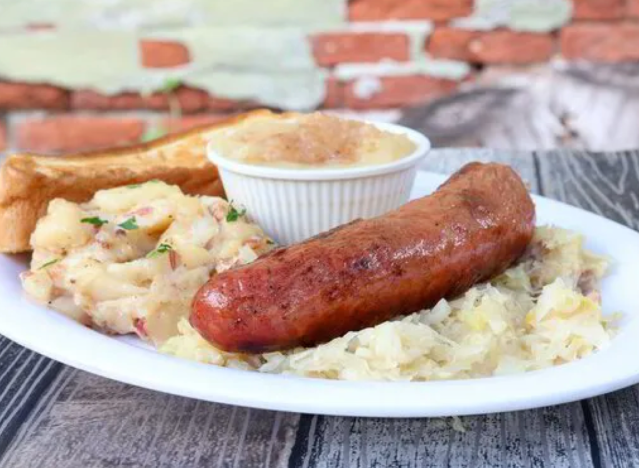
- The Knockwurst Plate: This dish highlights the superior quality of their meats. Their Knockwurst is crafted from high-quality beef and pork, infused with a subtle garlic profile, and hickory-smoked to ensure a deep, complex flavor. The natural casing provides that signature "snap" upon the first bite. It is served with their house-made German Potato Salad and chunky applesauce, creating a full-sensory dining experience that honors its heritage.
3. Dog Haus: The Modern Twist
Dog Haus has disrupted the sausage market by focusing on quality and innovation. By utilizing hormone- and antibiotic-free meats and serving them on high-quality, sweet Hawaiian rolls, they have managed to elevate the humble sausage into a gourmet experience.
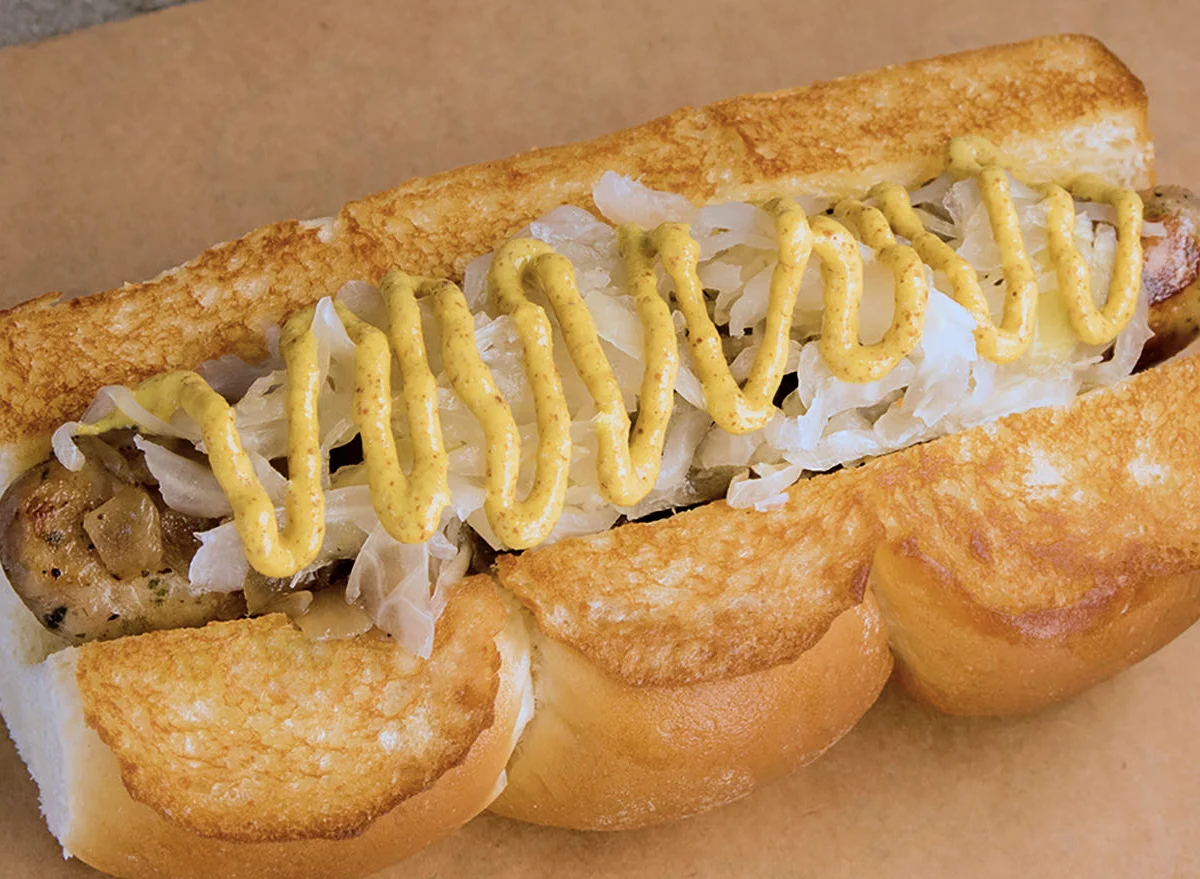
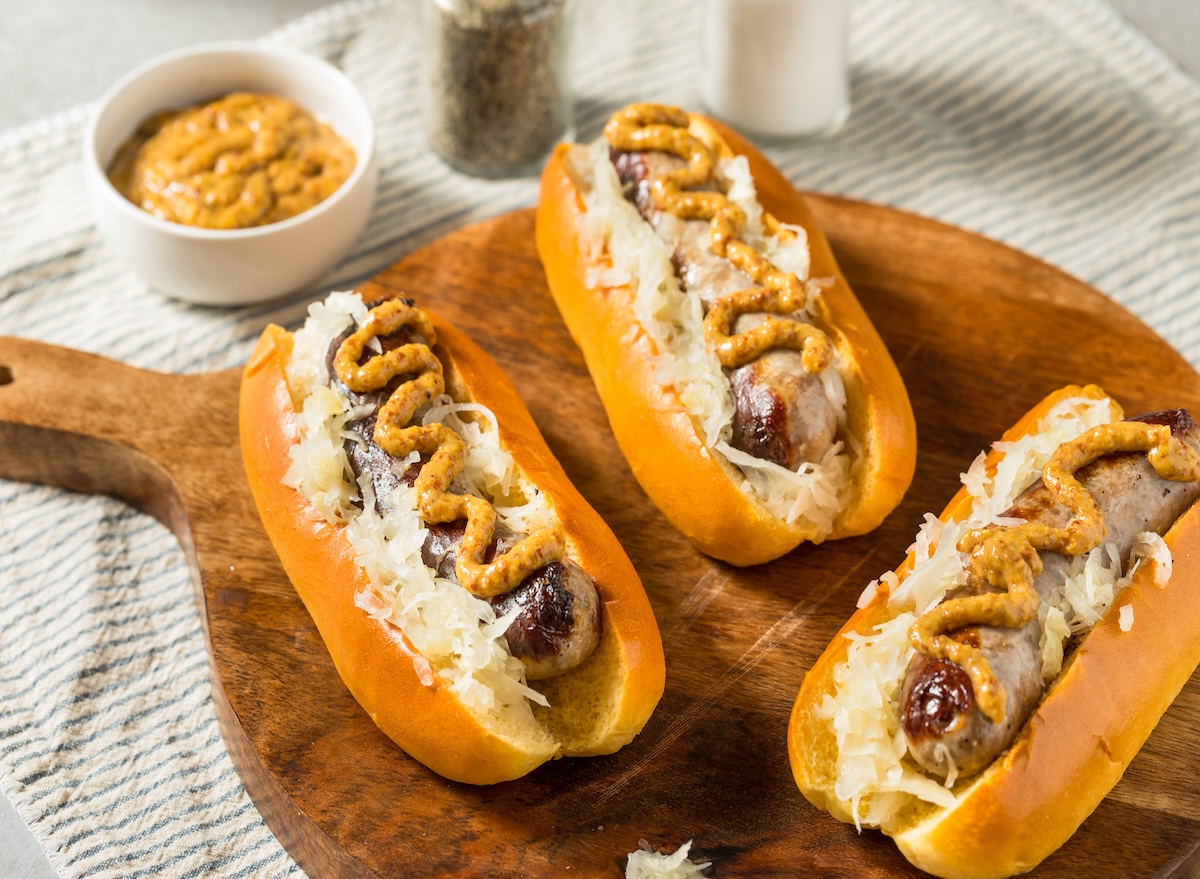
- Das Brat: This is their modern interpretation of the classic bratwurst. The sausage is grilled and topped with caramelized onions and a generous heap of sauerkraut. The addition of spicy brown mustard provides the necessary heat to balance the sweetness of the Hawaiian bun. It is a perfect example of how traditional flavors can be adapted for the modern palate without losing their integrity.
4. Portillo’s: The Chicago Icon
While primarily known for its Italian beef and Chicago-style hot dogs, Portillo’s possesses a deep understanding of smoked meat traditions. Their approach is focused on the raw quality of the product, sourced from reputable suppliers like Makowski’s Real Sausage.
- Char-Grilled Maxwell Street Polish: This menu item is a testament to Chicago’s vibrant street food history. The Polish sausage is smoked and then grilled until the exterior is perfectly charred. While it is traditionally served with grilled onions and yellow mustard, requesting a side of their tangy sauerkraut transforms it into a meal that rivals any traditional German deli.
Supporting Data: Why Quality Matters in Processed Meats
Recent market analysis suggests that consumer demand for "clean label" meats has forced major chains to adjust their supply chains. According to food industry experts, the increase in demand for antibiotic-free and hormone-free sausages at chains like Dog Haus is a direct response to a more informed customer base.
Furthermore, the nutritional profile of sauerkraut remains a significant selling point. As a fermented food, it is rich in probiotics, which are linked to improved gut health. Diners are increasingly choosing "probiotic-rich" side dishes over traditional heavy sides like fries, leading to a shift in how restaurant chains menu-plan their traditional dishes.
Official Responses and Culinary Philosophy
Representatives from these establishments often emphasize the "sourcing" of their sausages as the primary differentiator.
At Schmidt’s Sausage Haus, management notes that the "natural casing" is the most critical element of the production process. "Without the natural casing, you lose the texture and the juice-retention that defines a true German sausage," a spokesperson noted in a recent company circular.
Similarly, Dog Haus has publicly committed to a "no-nitrate" philosophy in their primary sausage offerings, responding to public health concerns regarding processed meat additives. This trend indicates that the future of the classic sausage-and-kraut meal will be defined by cleaner production methods and higher transparency.
Implications: The Future of Heritage Dining
The popularity of these four chains proves that American diners have a sustained, growing appetite for heritage foods. The implication for the restaurant industry is clear: consumers are no longer satisfied with generic, mass-produced processed meats. They are seeking out establishments that treat the humble sausage and sauerkraut with the same level of care one might expect from a fine-dining steakhouse.
As we look toward the future, we can expect to see more "heritage-focused" fast-casual chains emerge. The intersection of convenience and quality is the new battleground for restaurant growth. Whether it is a giant stein of beer at a Hofbrauhaus or a quick, high-quality dog at a neighborhood Portillo’s, the enduring appeal of smoked sausage and sauerkraut continues to prove that, in the world of comfort food, some traditions are simply too delicious to fade away.