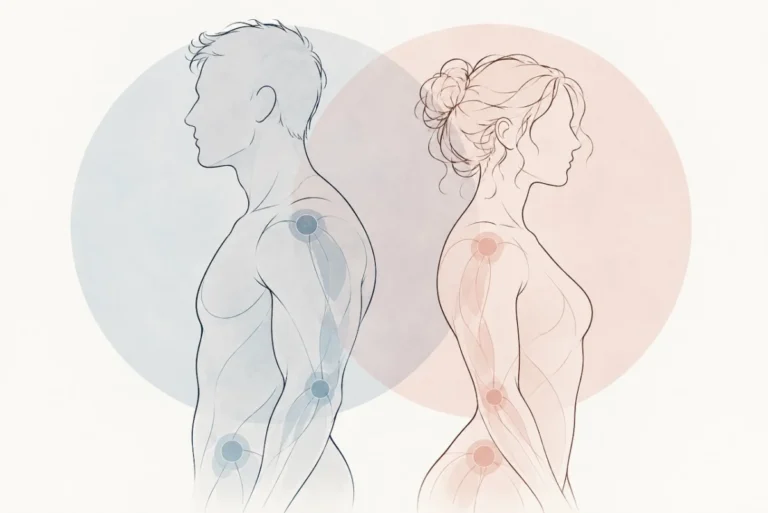










Living with Ehlers-Danlos syndromes (EDS) or hypermobility spectrum disorders (HSD) often feels like a constant negotiation between your body’s limitations and your desire for an active, fulfilling life. Because these conditions affect connective tissue—the structural "glue" of the human body—patients frequently navigate a complex landscape of joint instability, chronic pain, dysautonomia, and fatigue.
While medical management is foundational, the day-to-day reality of EDS/HSD is often mitigated by the clever use of assistive technology and supportive lifestyle aids. This month, we went behind the scenes with our team members to uncover the "go-to" items that make the impossible feel manageable. From mobility aids to environmental modifications, these personal insights offer a window into how individuals effectively manage the daily unpredictability of living with hypermobility.
The Role of Supportive Aids in EDS/HSD Management
For the uninitiated, the term "supportive aid" might conjure images of clinical, sterile equipment. However, for the EDS community, these tools are often highly personalized adaptations—some medical, some ergonomic, and some simply ingenious hacks—that allow for increased independence.
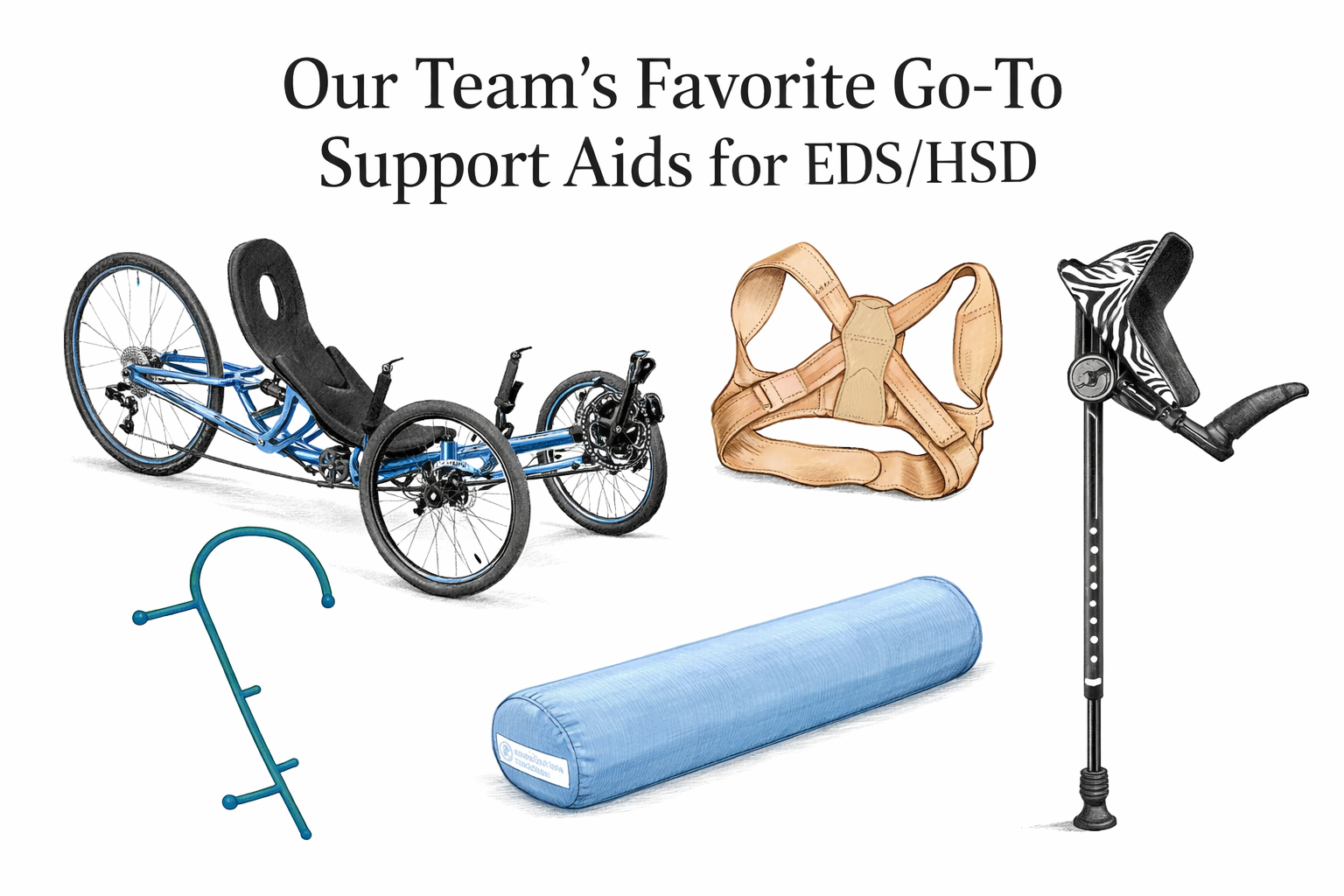
The core challenge in EDS is proprioception—the body’s ability to sense its position in space. When the joints are overly lax, the brain struggles to map where the limbs are, leading to subluxations (partial dislocations) and chronic guarding, where muscles tighten to protect unstable joints. By providing external feedback or mechanical support, assistive devices can "bridge the gap" between what the body is doing and what the brain perceives, reducing pain and preventing injury.
Chronology of Care: From Morning Rituals to Evening Recovery
Managing EDS is not a one-time event but a 24-hour cycle of regulation. Our team’s experiences illustrate how different tools serve different phases of the day.
Morning: Setting the Foundation
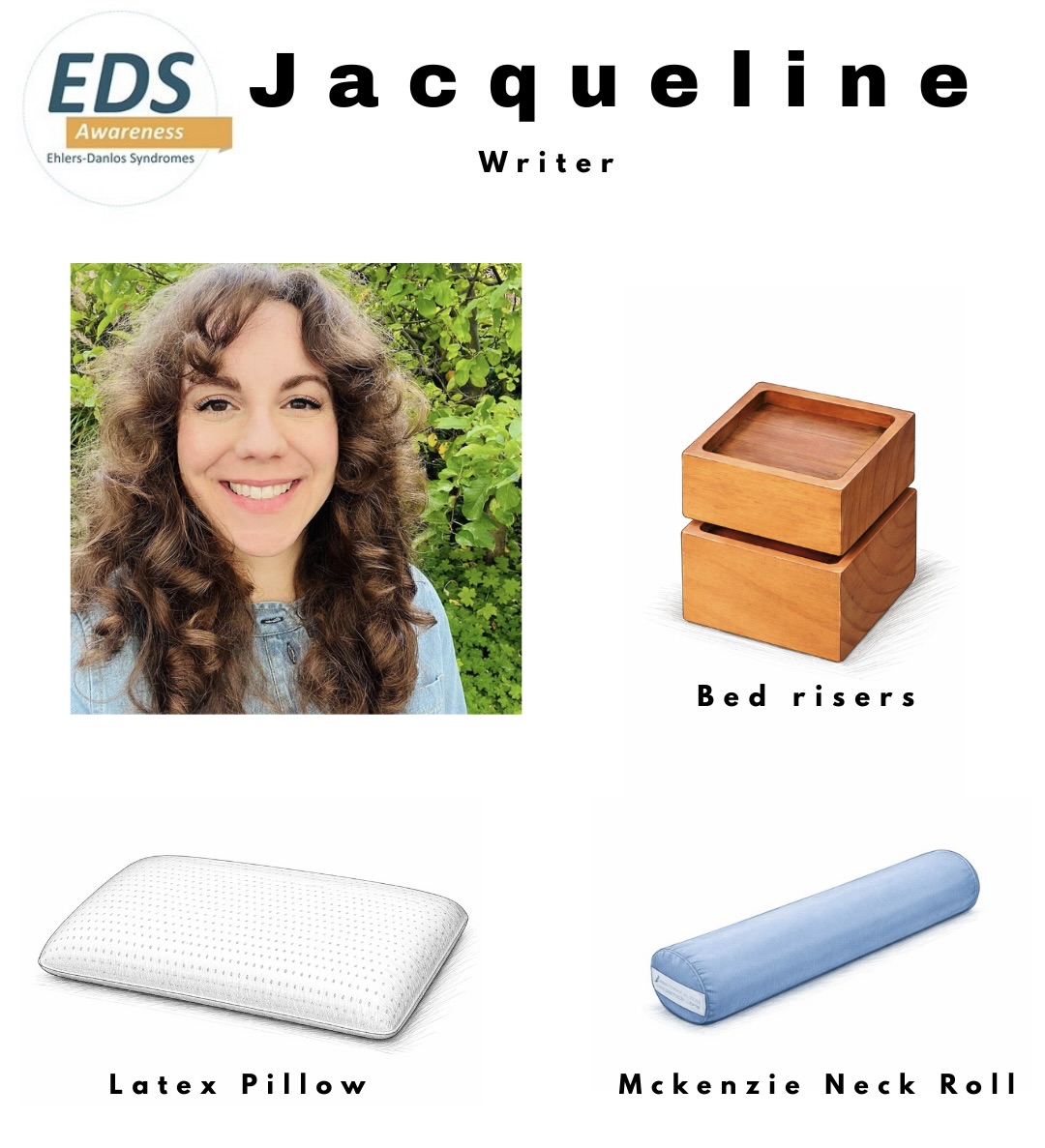
For many, the morning is the most difficult time, as joints may have shifted during sleep. Jacqueline Teti, a writer with HSD, emphasizes the importance of nighttime positioning. By using bed risers to elevate the head of the bed, she addresses potential cerebral venous outflow issues, reducing the sensation of head pressure upon waking. Pairing this with a natural latex pillow ensures that the cervical spine remains in a neutral, supported position, preventing the "reset" of pain that occurs with synthetic pillows that lose their shape overnight.
Mid-Day: Sustaining Activity and Mobility
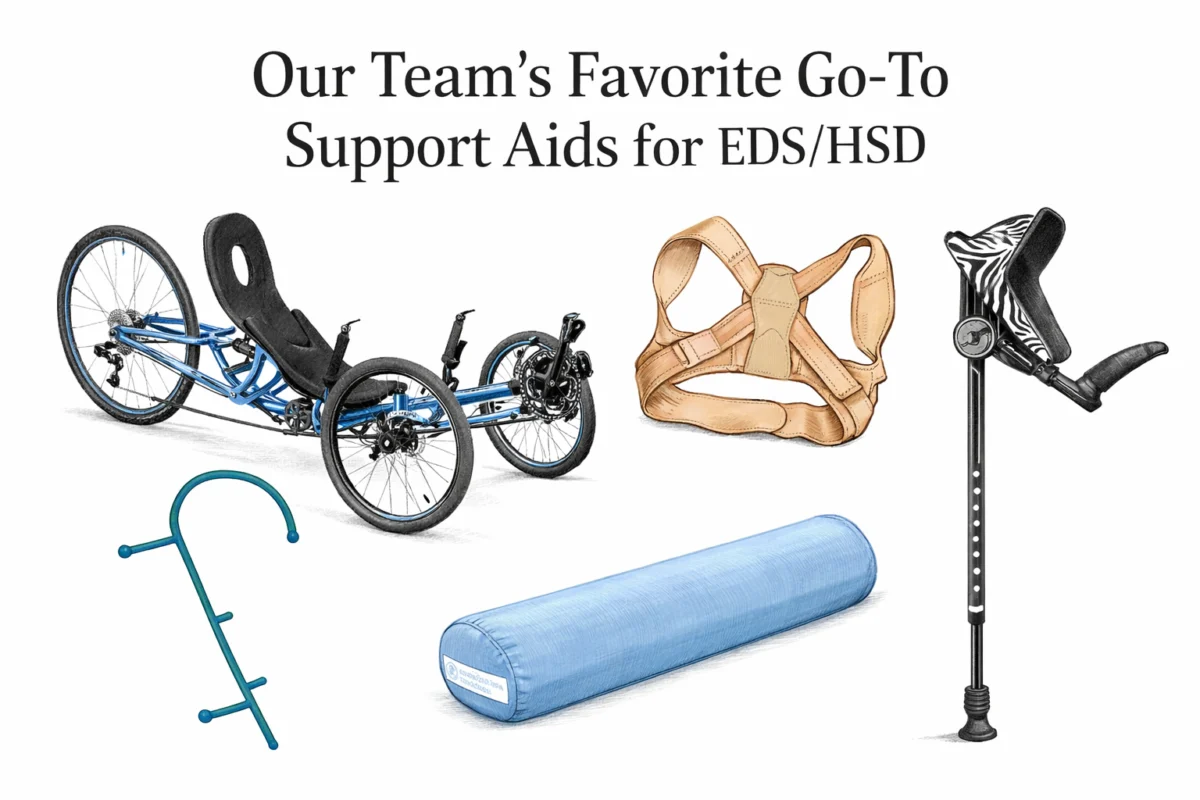
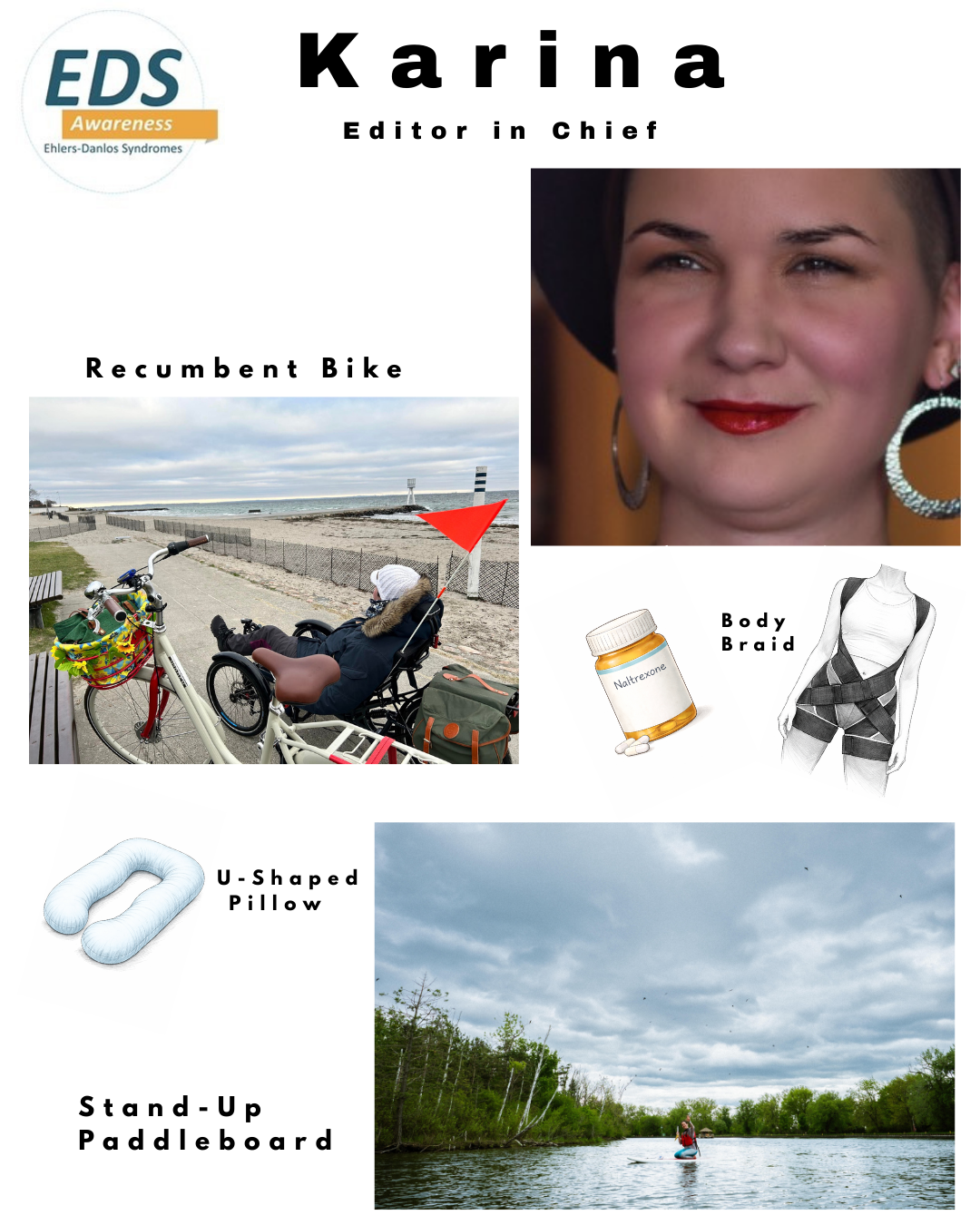
As the day progresses, the focus shifts to pacing. Karina, our Editor-in-Chief, utilizes the HP Velotech Scorpion recumbent trike. Unlike a standard bicycle, the recumbent position removes the need for balance and minimizes fall risk, while the three-wheel design provides the stability needed for those with dysautonomia to exercise without triggering a cardiovascular flare.
For others, like Marcia, a podcast co-host, the SmartCRUTCH provides a revolutionary alternative to standard crutches. By distributing weight across the forearm rather than the wrist, these crutches prevent the common "crutch-related" injury that EDS patients often suffer due to joint laxity in the hands and wrists.
Evening: Targeted Relief and Regulation
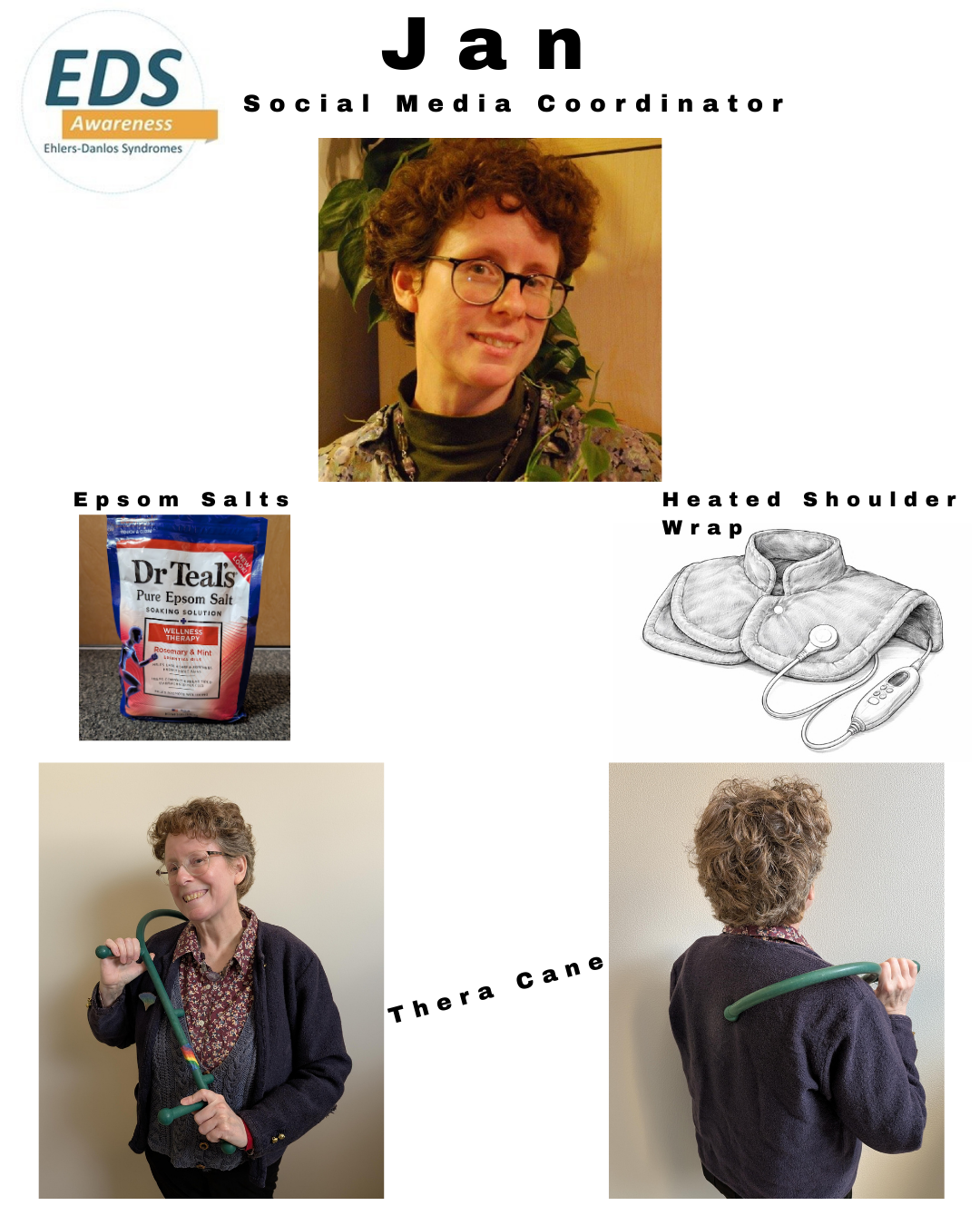
When the day’s exertion takes its toll, the focus shifts to recovery. Jan, our social media coordinator, swears by the Thera Cane, a self-massage tool that allows for deep-tissue relief in hard-to-reach areas of the back. This is often followed by a soak in Epsom salts, a traditional remedy that continues to hold clinical relevance for its ability to help soothe muscle soreness and provide a period of intentional sensory regulation.
Supporting Data: Why These Tools Work
The efficacy of these items is not merely anecdotal; it is rooted in the physiological needs of the connective tissue patient.
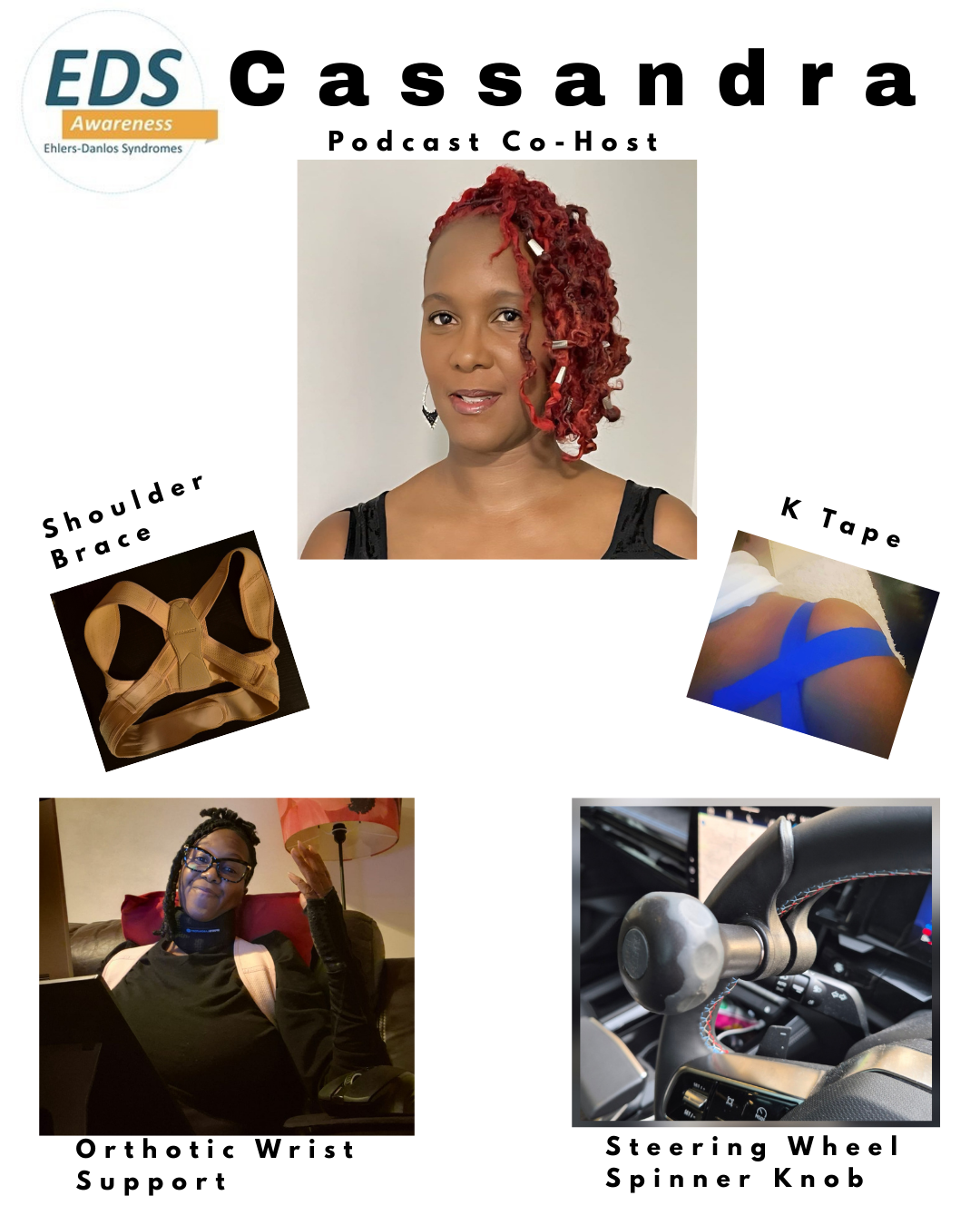
- Proprioceptive Feedback: The Body Braid and Kinesiology (K) Tape are prime examples of "soft" bracing. Unlike rigid orthotics, these tools provide constant, gentle feedback to the skin and nerves, which helps the brain maintain better postural control and joint alignment.
- Thermal Regulation: Many EDS patients suffer from dysautonomia, which impairs the body’s ability to regulate temperature. Tools like cooling pads for heat intolerance or heated shoulder wraps for stiff, aching muscles are essential for stabilizing the autonomic nervous system.
- Pharmacological Support: Low-Dose Naltrexone (LDN) has emerged as a significant off-label intervention. While not a cure, users like Karina report that it helps lower the "baseline" of systemic inflammation and pain, making the nervous system less reactive to daily stressors.
Official Perspectives: Balancing Support with Strength
While the use of these aids is life-changing, medical professionals—including the Ehlers-Danlos Society—advise a measured approach. The primary risk of relying on supportive aids is "deconditioning." If a brace or support does all the work for a muscle, that muscle will eventually atrophy, leading to even greater instability in the long run.
The consensus in the medical community is that supports should be used as a supplement to, not a replacement for, physical therapy. Patients are encouraged to engage in "stabilization exercises" that strengthen the muscles surrounding the unstable joints. The goal is to use these tools to enable movement and activity, rather than to bypass the need for functional strength.
Implications for the Patient Community
The diversity of these picks—ranging from high-tech trikes to simple Epsom salts—highlights a crucial reality: There is no one-size-fits-all solution for EDS/HSD. What works for one person’s cervical instability may be entirely unnecessary for another’s hip laxity.
Key Takeaways for Patients:
- Iterative Testing: Be prepared to try different tools. What feels like a "game changer" for one person might not be the right fit for your specific anatomy.
- Safety First: When trying items like K-Tape or compression garments, always check for skin sensitivities. EDS skin is often fragile, and adverse reactions to adhesives or fabrics are common.
- Consultation is Essential: Before adopting a new mobility aid or medication like LDN, discuss it with your rheumatologist, physical therapist, or primary care physician. They can help you integrate these tools safely into your existing care plan.
- Listen to Your Body: If a brace feels like it is causing a nearby joint to "work harder," it may not be providing the correct support.
Conclusion: Living Life to the Fullest
The journey with Ehlers-Danlos or HSD is undeniably challenging, but it is also a journey of adaptation. By curating a "toolkit" of supportive aids—whether it is a specialized pillow, a modified car steering knob, or a daily medication—patients can regain a sense of agency over their environment.
These tools are not signs of weakness; they are signs of resourcefulness. They are the scaffolding that allows the human spirit to remain active, social, and engaged despite the physiological hurdles posed by faulty connective tissue. As we continue to share these personal stories, we hope you find inspiration to explore, experiment, and ultimately find the unique combination of supports that allows you to thrive.
Disclaimer: The supportive aids featured in this article are tools that members of our team have found helpful in their own lives. Their inclusion is based on personal experience and should not be considered a formal endorsement of any specific product nor be taken as medical advice. Always consult with your healthcare provider before introducing new supportive aids into your routine.
Jacqueline Teti
Author and patient with Hypermobility Spectrum Disorder
April, 2026