Introduction: The Unseen Battle
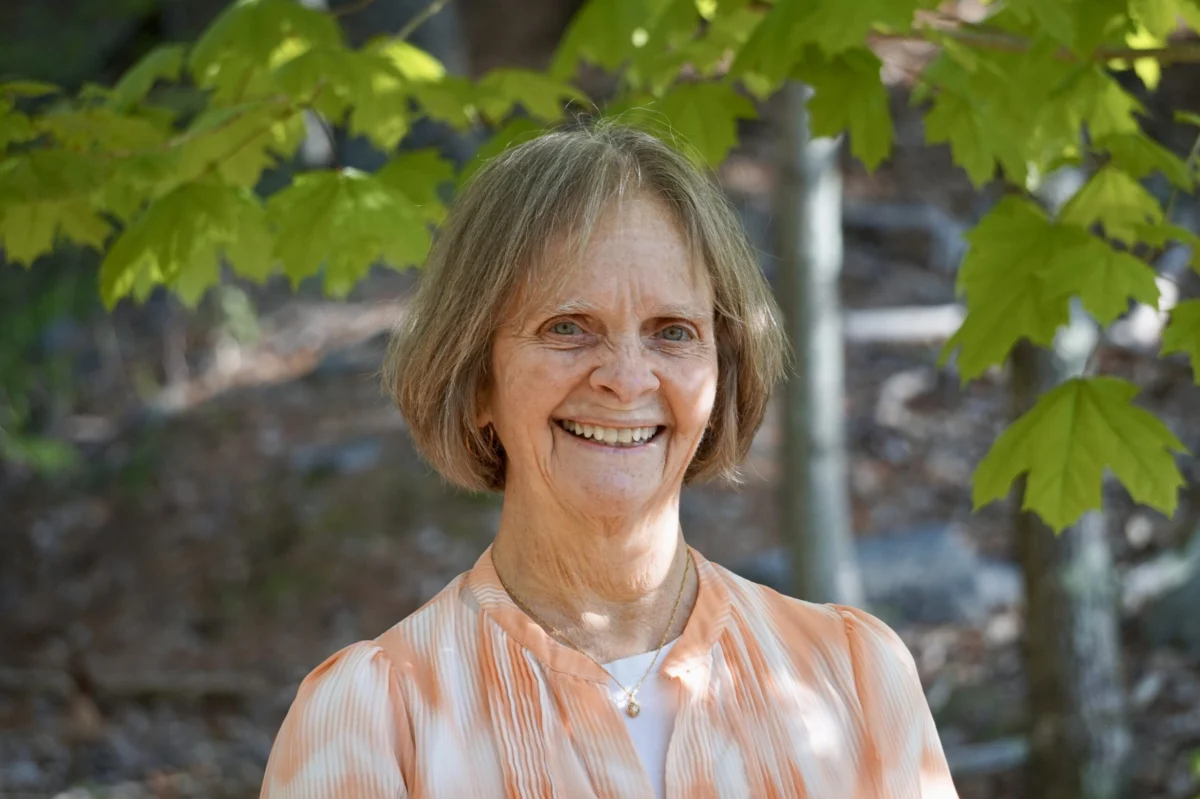
At 75 years old, Ellen Lenox Smith has spent more than half a lifetime mastering the art of meticulous survival. Living with Ehlers-Danlos Syndrome (EDS)—a group of rare genetic disorders that affect the body’s connective tissues—Smith’s daily existence is a study in precision, caution, and profound resilience. Yet, even with decades of experience, the psychological toll of living with a body that feels like a "house of cards" remains a formidable adversary.
For those on the outside, a garden accident might seem like a minor mishap. For Smith, a simple interaction with a service dog turned into a medical catastrophe, highlighting the fragile reality of those living with chronic, invisible illnesses. Her story is not just a personal account; it is a broader commentary on the societal imperative for empathy, the inadequacy of medical infrastructure for chronic pain patients, and the necessity of shifting how we perceive the "invisible" burden of disability.
The Chronology of a Crisis: A Garden Mishap
Earlier this year, the routine nature of Smith’s life was shattered by a moment of systemic failure. Like many living with EDS, Smith structures her environment to mitigate the risk of injury. On a quiet afternoon, she stood within her fenced garden, confident that the perimeter was secure.
Her service dog, a constant companion and a vital aid for her daily functioning, approached the hose—a routine cooling-off ritual. However, an overlooked latch on the garden gate proved to be the catalyst for a cascade of injuries. As the 60-pound dog leaned into the water, she collided with the gate, forcing it to swing open and strike Smith directly in the chest.
The Immediate Aftermath
The impact was immediate and devastating. Because EDS compromises the stability of joints and the integrity of cartilage, the trauma to Smith’s chest wall caused her ribs to subluxate—a partial dislocation that is notoriously difficult to manage.
What followed was a week of grueling, manual physical therapy. Smith describes the cycle of "repositioning and regression": the therapist would meticulously align the ribs, only for the body’s inflammatory response to pull them back out of place within hours. This physical instability triggered an emotional collapse, a common but often ignored symptom of chronic pain management. For the patient, the pain is not just a sensation; it is a reminder of the body’s betrayal, raising the existential question: How much more damage can this frame endure?
Supporting Data: The Reality of Ehlers-Danlos Syndrome
Ehlers-Danlos Syndrome (EDS) is frequently categorized as an "invisible illness," a term that encompasses a spectrum of conditions where the severity is not always apparent to the naked eye. According to the Ehlers-Danlos Society, the condition involves defective collagen, the "glue" that holds the body together.
Physiological Vulnerabilities
- Joint Hypermobility: Patients often experience frequent dislocations and subluxations, making simple tasks like reaching for a cup or walking a dog potential hazards.
- Chronic Inflammation: As Smith noted, her body reacts to trauma with rapid, excessive inflammation, which exacerbates pain and prevents the structural healing required for recovery.
- The Emotional Toll: Research published in the Journal of Pain Research suggests a high correlation between chronic physical pain and clinical depression or anxiety. The unpredictability of EDS creates a "cycle of apprehension," where the fear of the next injury can be as debilitating as the injury itself.
Smith’s experience is echoed by millions. In the United States alone, the CDC reports that approximately 20% of adults live with chronic pain. Yet, the medical establishment often struggles to provide comprehensive care for these patients, frequently focusing on acute symptom management rather than the holistic, long-term support required for patients like Smith.
Official Perspectives: The Gap in Medical Care
While medical science has made strides in diagnosing EDS, there remains a significant gap in the treatment of the patient experience. Dr. Aris Thorne, a specialist in pain management (not affiliated with Smith), notes that the "biopsychosocial model" is essential for chronic care.
"We cannot treat the ribs without treating the person," says Dr. Thorne. "When a patient at 75 experiences a traumatic injury, the medical system is often designed to fix the break and discharge the patient. It does not account for the loss of autonomy or the psychological trauma of feeling that your body is a liability."
The "All in Your Head" Myth
Perhaps the most damaging element of the chronic pain narrative is the skepticism patients face from peers, family, and even medical professionals. Smith emphasizes that the dismissal of pain as a psychosomatic phenomenon is not just rude—it is a form of medical gaslighting that prevents effective care.
The medical community is increasingly recognizing that the subjective experience of pain is, by definition, real. When a patient reports pain, the clinical directive must be validation. Skepticism leads to patient withdrawal, which in turn leads to poorer health outcomes.
Implications: The Moral Obligation of Community
What does it mean to be a good neighbor, a supportive friend, or a compassionate family member to someone with chronic pain?
1. Moving Beyond "Positivity"
There is a toxic expectation in modern wellness culture that one must maintain a "positive attitude" to overcome illness. Smith challenges this, noting that it is impossible to be "positive all the time" when facing systemic, daily pain. Expecting a chronic pain patient to be perpetually cheerful is a burden that adds to their suffering. Instead, the goal should be compassionate presence.
2. The Power of the "Check-In"
"How are you?" is often a throwaway greeting. For those in pain, it is a loaded question. To truly support someone, one must be prepared for an honest answer. True support means creating a space where the person can say, "I am terrified," or "I am exhausted," without being met with a toxic "but look at the bright side" response.
3. Active Assistance
The garden incident highlights that the most helpful action is often practical. Helping a neighbor check a gate, assisting with physical tasks that risk injury, or simply providing transportation to a medical appointment can prevent the very crises that lead to emotional burnout.
A Call for Radical Empathy
The narrative of Ellen Lenox Smith at 75 is a call to action for a more empathetic society. Her story serves as a reminder that we are all, to some degree, one accident away from a life-altering condition.
The implications for our communities are clear:
- Listen to the silence: Sometimes, the pain is so great that there are no words. Being there, without the need for constant conversation, is an act of care.
- Validate, don’t judge: If someone tells you they are in pain, believe them. Your validation is a vital component of their psychological stabilization.
- Be the catalyst: Do not wait for the person in pain to ask for help. They are often too overwhelmed by the effort of "staying alive" to manage the logistics of their social needs.
Conclusion: The Choice to Connect
As we navigate our own lives, we must acknowledge the invisible weight carried by those around us. Smith’s journey, though marked by physical fragility, is defined by an iron-clad commitment to transparency and advocacy. She is not just surviving; she is speaking for a silent majority who struggle to navigate a world that is not built for their limitations.
May we be the ones to reach out. May we be the ones to listen without judgment. And, above all, may we recognize that in the face of insurmountable odds, the greatest contribution we can make to one another is the gift of sincere, unvarnished compassion.
As Ellen Lenox Smith says, "May life be kind to you." But perhaps more importantly, may we be kind to each other, understanding that for many, that kindness is the only thing that makes the next day possible.