











For those recently diagnosed with lymphoma, the immediate aftermath of receiving clinical news is often characterized by a profound sense of uncertainty. The medical terminology, the complexities of treatment pathways, and the overwhelming emotional toll can make the initial steps of the patient journey feel insurmountable. To bridge this gap between clinical diagnosis and patient empowerment, a pivotal educational initiative, "Ask the Doctor About Lymphoma," is set to take place on May 20, 2026. This two-hour virtual symposium is designed to provide clarity, community, and expert guidance for patients, caregivers, and their support networks.
The Main Facts: Bridging the Information Gap
The "Ask the Doctor About Lymphoma" program is more than just a seminar; it is a vital resource designed to demystify one of the most complex groups of cancers. Scheduled for Wednesday, May 20, 2026, from 3:00 PM to 5:00 PM ET, the event aims to deliver a comprehensive overview of lymphoma—a cancer of the lymphatic system—while providing a platform for direct engagement with medical specialists.
The session is hosted virtually via Zoom, ensuring that patients regardless of their geographical location can participate. By offering both online streaming and telephonic access, the organizers have prioritized inclusivity. Following registration, participants will receive secure access instructions via email. The program is specifically tailored for those who have received a recent diagnosis, as well as survivors, care partners, and dedicated supporters who play a critical role in the treatment trajectory.
A Chronology of the Patient Journey
The patient journey rarely follows a linear path. It begins with the initial onset of symptoms—often subtle, such as swollen lymph nodes, persistent fatigue, or unexplained fevers—and proceeds through the diagnostic biopsy, the pathology report, and the subsequent formulation of a treatment plan.
- The Pre-Diagnosis Phase: Patients often navigate months of uncertainty, seeking answers for persistent physiological changes.
- The Diagnostic Threshold: The formal diagnosis marks a turning point. It is here that the "Ask the Doctor" program intervenes, providing the foundational knowledge necessary to process complex information.
- The Treatment Planning Stage: Understanding the difference between Hodgkin and Non-Hodgkin lymphoma, as well as the nuances of various subtypes, is critical. This symposium serves as an essential bridge, helping patients translate clinical data into actionable questions for their primary oncologists.
- The Survivorship and Management Phase: The journey continues well beyond the first round of therapy. The program highlights the importance of ongoing education as a component of long-term survivorship.
Supporting Data: Why Specialized Education Matters
The complexity of lymphoma necessitates a high level of patient health literacy. According to oncological research, patients who are better informed about their specific cancer subtype and the mechanism of action of their treatments report higher rates of adherence to medication and better overall psychological well-being.
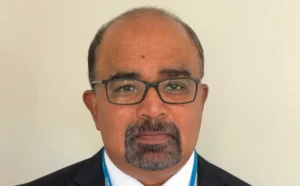
Lymphoma is not a singular disease; it encompasses a wide spectrum of disorders, each requiring distinct therapeutic approaches—from chemotherapy and immunotherapy to targeted agents and chimeric antigen receptor (CAR) T-cell therapy. The "Ask the Doctor" initiative utilizes an expert-led format to break down these complicated treatment modalities. By featuring highly qualified medical professionals—such as the esteemed Dr. Ayushi Chauhan, who will be leading the upcoming session—the program ensures that the information disseminated is rooted in current, evidence-based clinical practices.
The value of this program is further bolstered by the interactive nature of the question-and-answer sessions. Medical literature consistently indicates that the ability to ask direct questions in a supportive, non-clinical environment significantly reduces "medical anxiety." When patients understand the why behind their treatment, they become more active participants in their own care, leading to improved outcomes.
Official Perspectives: The Role of the Lymphoma Foundation
The organizers of this event emphasize that the information provided is for educational purposes and serves as a complement to, rather than a replacement for, professional medical advice. The Foundation acts as a facilitator, ensuring that patients are not navigating the healthcare system in a vacuum.
In an official statement regarding the program, organizers noted, "The goal is to empower the patient. We want them to feel comfortable walking into their next oncology appointment equipped with the right vocabulary and a clear understanding of their prognostic markers." By fostering a direct line of communication between patients and experts, the Foundation aims to eliminate the "information asymmetry" that often occurs when patients rely solely on unverified online sources.

Furthermore, the program maintains a strictly professional boundary. While the event is open to patients and supporters, it remains an educational entity. For pharmaceutical industry professionals wishing to engage with the program, the Foundation maintains a sponsorship pathway. This ensures that the patient-centric focus of the symposium remains untainted by commercial interests, maintaining the integrity of the medical information being shared.
Implications for the Healthcare Ecosystem
The implications of such programs extend far beyond the two hours of the virtual event. By providing a forum for patients to ask the "tough questions," the initiative helps to humanize the clinical experience.
1. Empowerment of the Caregiver
Care partners are often the forgotten demographic in cancer treatment. They carry the logistical and emotional burden of the disease. This symposium provides them with the tools to support their loved ones effectively, reducing burnout and improving the quality of the home care environment.
2. Improving Patient-Physician Communication
When patients are well-informed, they ask better, more targeted questions during their brief clinic visits. This optimizes the time spent with oncologists, allowing for more productive discussions regarding treatment side effects, lifestyle adjustments, and long-term prognosis.
3. Creating a Community of Support
The virtual nature of the event allows for a sense of solidarity. Newly diagnosed patients often feel isolated, believing they are the only ones facing their specific diagnosis. By participating in a group forum, they gain the reassurance of seeing others at different stages of the journey, which can be profoundly therapeutic.
How to Engage: Registration and Participation
For those interested in participating, registration is now open. The process is straightforward, designed to be accessible even to those who may be dealing with the physical fatigue associated with their diagnosis.
- Online Registration: Prospective attendees are encouraged to visit the official Foundation website to secure their virtual seat.
- Direct Support: For those who prefer personal assistance, the Helpline is available at 800-500-9976. The staff can assist with registration questions and provide technical guidance for those unfamiliar with Zoom.
- Email Correspondence: Inquiries can also be directed to the dedicated email support team.
A Final Word on Ethical Guidelines
The organizers emphasize the importance of the Patient Education Program Disclaimer. The medical landscape is evolving at a rapid pace; what was standard of care five years ago may have been replaced by more effective, less toxic therapies today. Consequently, the program encourages patients to view this education as a dynamic, ongoing process.
The inclusion of sponsors is managed with strict transparency to ensure that the patient remains the primary beneficiary of the content. As the date approaches, the Foundation encourages participants to prepare a list of questions, ensuring they get the most out of the expertise offered during the session.
In conclusion, "Ask the Doctor About Lymphoma" represents a critical pillar of support for those entering the most challenging period of their lives. By prioritizing education, facilitating expert access, and fostering a community of survivors and caregivers, this program ensures that no patient has to face a diagnosis alone. On May 20, 2026, the focus will be clear: providing the knowledge, support, and clarity necessary to move forward with confidence and strength.