








As the global discourse on climate change intensifies, the search for "techno-fixes" to mitigate rising temperatures has shifted from speculative theory to active experimentation. A recent peer-reviewed paper published in the journal IgMin Research (October 2024) has ignited a firestorm of debate, proposing the deliberate introduction of biological agents—specifically fungal spores—into the atmosphere to facilitate cloud seeding and weather modification.
While proponents argue that this approach represents a "biocompatible" alternative to current chemical methods, critics, environmental scientists, and public health advocates warn that we are on the precipice of a global biological experiment conducted without public consent, rigorous safety protocols, or international regulatory oversight.
The Scientific Blueprint: Fungal Spores as Ice Nucleating Agents
The paper, titled "Atmospheric Fungal Spore Injection: A Promising Breakthrough for Challenging the Impacts of Climate Change Through Cloud Seeding and Weather Modification," outlines a technical framework for utilizing specific fungal classes as biological ice nucleating particles (INPs).
The Mechanism of Dispersal
The research proposes a macro-scale cultivation system. According to the authors, fungal spores would be produced in specialized indoor facilities. These facilities are designed with high-capacity air blowers and suction systems to capture and propel the spores through plumbing vents positioned on rooftops, effectively injecting them into the lower atmosphere.
The researchers identify several fungal classes—including Dothideomycetes, Agaricomycetes, Eurotiomycetes, and Ustilaginomycetes—as having potent ice-nucleating properties. By artificially increasing the concentration of these spores in the troposphere, the authors claim, humanity could influence cloud formation and precipitation patterns more effectively than with existing mineral-based aerosols like silver iodide.
A Chronology of Weather Modification
To understand the gravity of these proposals, one must contextualize them within the decades-long history of weather modification, which has evolved from a niche military interest to a global commercial enterprise.
- 1940s–1950s: The dawn of modern cloud seeding, pioneered by Vincent Schaefer and Bernard Vonnegut, utilizing dry ice and silver iodide to induce precipitation.
- 2008 Beijing Olympics: China’s government solidified its role as a leader in weather modification, investing roughly $100 million annually to ensure clear skies and favorable precipitation patterns for the games.
- 2009 Beijing Snowfall: The Beijing Weather Modification Bureau deployed 186 doses of silver iodide, resulting in a significant, localized snowfall of 16 million cubic meters.
- 2010–2020: Expansion of global operations. Countries including Australia, Greece, India, Saudi Arabia, and Turkey adopted diverse delivery mechanisms, ranging from aircraft-based dispersal to high-output ground generators and rocket-based delivery systems.
- 2024: The publication of the IgMin Research paper marks a transition from inorganic chemical seeding to the proposal of biological aerosol injection, moving the goalposts of geoengineering into the realm of microbiology.
Supporting Data and Technical Challenges
The shift from silver iodide to fungal spores is predicated on the claim of "biocompatibility." Proponents suggest that because fungi are organic, they are more environmentally sustainable than heavy metals like aluminum or silver. However, the scientific community is divided on the interpretation of this data.
The Respiratory Risk Profile
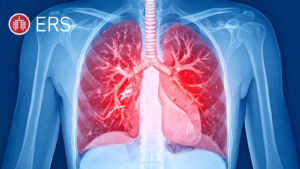
The paper itself contains significant concessions regarding public health. The authors admit that "injecting large quantities of fungal spores into the atmosphere could pose health risks, particularly for individuals with allergies, asthma, or compromised immune systems." They further acknowledge that dispersing these agents at lower atmospheric levels could degrade air quality at the boundary layer.
Critics point out that the species proposed—including Cladosporium, Aspergillus, and Penicillium—are well-documented triggers for chronic respiratory illness. The "biocompatible" argument ignores the reality that these spores, if inhaled at scale, are potent allergens and potential pathogens.
Ecological Unpredictability
Beyond human health, the ecological implications are vast. The introduction of non-native fungal strains into an ecosystem could lead to:
- Phyto-pathogenic outbreaks: The potential for these spores to act as invasive pathogens, threatening local flora and agricultural crops.
- Disruption of Biomes: The unknown impact of altering the biological composition of the air on local insect and pollinator populations.
- Trophic Cascades: Unforeseen changes in precipitation patterns could alter the moisture availability for sensitive soil biomes, leading to long-term habitat shifts.
Official Responses and the Governance Vacuum
The current state of international law regarding geoengineering is best described as a "regulatory void." Most existing treaties, such as the Convention on the Prohibition of Military or Any Other Hostile Use of Environmental Modification Techniques (ENMOD), were drafted in the 1970s and are ill-equipped to address modern, commercialized biological geoengineering.
The Ethical Governance Debate
The IgMin paper proposes a controversial approach to public acceptance: utilizing religious and political leaders to "convince" traditional societies that might otherwise view atmospheric interference as a violation of nature. This suggestion has drawn sharp criticism from ethicists, who argue that manipulating public perception to facilitate an unproven environmental intervention is fundamentally anti-democratic.
Currently, there is no international body with the authority to veto localized experiments that could have transboundary consequences. As weather patterns are global, an injection of spores in one jurisdiction could influence weather systems thousands of miles away, yet there is no mechanism for neighboring nations to seek recourse or demand accountability.
Implications for the Future of the Planet
The prospect of "bio-geoengineering" forces a critical confrontation between the desperation of climate change and the precautionary principle.
The Slippery Slope of "Innovation"
If we accept that the climate crisis justifies the release of biological agents into the air, we set a precedent that could be difficult to reverse. The history of environmental intervention is littered with "solutions" that became problems—such as the introduction of non-native species for pest control, which often resulted in ecological collapse.
The Need for Informed Consent
The most alarming aspect of this proposal is the lack of public discourse. Geoengineering, by its nature, affects the entire population. To conduct experiments that alter the very air we breathe without transparent, democratic, and global oversight is a radical departure from established scientific ethics.
Conclusion
As we look toward the mid-21st century, the climate crisis will undoubtedly necessitate innovative solutions. However, the proposal to inject fungal spores into the atmosphere highlights the dangers of a "technocratic" approach to the environment. When the solutions themselves carry the risk of mass respiratory illness, agricultural destruction, and ecological instability, the costs may far outweigh the potential benefits.
The scientific community, policymakers, and the public must demand more than just peer-reviewed papers; they must demand a robust, international framework that mandates full disclosure, comprehensive risk assessment, and global consent before any biological agent is released into the atmosphere. The skies belong to everyone, and the current blueprint for "atmospheric fungal injection" is a reminder that in the rush to save the planet, we must ensure we do not destroy the very elements that sustain life.
References and Further Reading:
- IgMin Research, Vol 1, Issue 2: "Atmospheric Fungal Spore Injection."
- MDPI (Remote Sensing Journal): Data on aerosol optical depth and cloud nucleation.
- Pubmed.gov: Studies on the inhalation of airborne fungal spores and immunological responses.
- UN Convention on the Prohibition of Military or Any Other Hostile Use of Environmental Modification Techniques (ENMOD).