









13 May, 2026
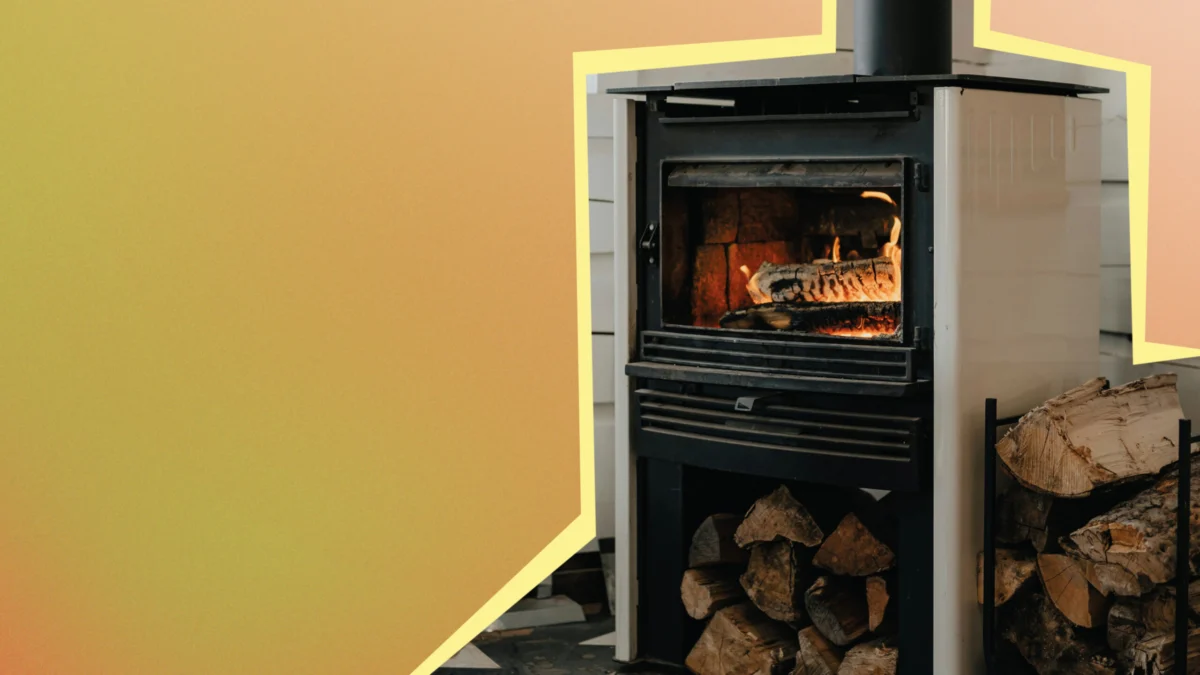
In an era where evidence-based policy is the cornerstone of public safety, a disturbing trend has emerged in England and across Europe: the systematic suppression of health warnings regarding domestic wood burning. A landmark investigation published in the BMJ has revealed that the wood-burning stove industry has been engaging in aggressive legal intimidation against local authorities, effectively chilling public health discourse on the dangers of particulate matter.
This investigation exposes a multi-layered strategy of lobbying, legal threats, and the strategic circulation of industry-funded "science" designed to maintain the status quo of residential heating. As the toll of air pollution mounts, the conflict between commercial interests and the protection of public health has reached a critical boiling point.
The Investigation: A Pattern of Legal Intimidation
The BMJ investigation, which utilized Freedom of Information (FOI) requests directed at the 50 English councils with the highest density of wood-burning stoves, uncovered a concerted effort to stifle government transparency. Nearly one-third of the responding councils reported being lobbied or explicitly threatened with legal action by the Stove Industry Association (SIA).
The most high-profile instance occurred in 2023, when eight London boroughs launched a joint awareness campaign titled "Careless, Not Cosy." The campaign sought to educate residents on the health risks associated with wood-burning stoves, challenging the romanticized cultural perception of these appliances. In response, the SIA—the trade body representing the interests of stove manufacturers and retailers—issued legal threats to the authorities involved.
While no court proceedings ultimately materialized, the chilling effect was immediate. Several council representatives confirmed to the BMJ that the mere threat of litigation caused their communications departments to hesitate or withdraw public health messaging altogether. This tactical use of "lawfare"—the use of legal systems to intimidate critics—has effectively created a vacuum of information in areas where residents are most at risk.
Chronology: From Marketing Success to Scientific Scrutiny
The rise of the modern wood-burning stove as a fashionable home feature did not happen in a vacuum. Over the past decade, a concerted marketing effort successfully rebranded wood burners as "eco-friendly" and "natural" alternatives to fossil fuels.
- 2015–2020: The "wood-burning boom" takes hold, driven by high energy prices and the misconception that wood is a carbon-neutral fuel source.
- 2022–2023: As data on PM2.5 levels in residential areas worsens, local authorities begin to introduce public awareness campaigns, most notably the London-wide "Careless, Not Cosy" initiative.
- Late 2023: The Stove Industry Association intensifies its lobbying efforts, utilizing legal threats to halt municipal health campaigns.
- 2024–2025: Growing scrutiny from scientific bodies, including the Lancet Countdown, brings the health impacts of domestic burning into sharp focus.
- May 2026: The BMJ investigation exposes the industry’s internal strategy of circulating unpublished, biased literature reviews to undermine official health advice.
Supporting Data: The Hidden Health Crisis
The industry’s pushback comes at a time when the scientific consensus on air pollution is becoming increasingly urgent. PM2.5—fine particulate matter—is a microscopic pollutant that enters the bloodstream, causing systemic inflammation. The World Health Organization (WHO) has been explicit in its position: there is no safe level of PM2.5 exposure.
The Scale of the Problem
According to the European Court of Auditors, residential solid fuel burning—wood and coal—now accounts for approximately 62% of PM2.5 emissions across the European Union. In more than half of all European cities, domestic burning is the single largest contributor to ambient air pollution.
The health consequences are severe and well-documented. PM2.5 exposure is causally linked to:
- Respiratory failure: Exacerbation of asthma and chronic obstructive pulmonary disease (COPD).
- Cardiovascular disease: Increased risk of heart attacks and hypertension.
- Neurological impacts: Emerging evidence links high-pollution exposure to cognitive decline and strokes.
Despite these findings, the industry has maintained a narrative of "clean burning" through the use of modern, eco-design stoves. However, the BMJ uncovered that even the industry’s own internal literature, when reviewed in its entirety, admits that a "lack of evidence" regarding specific models is not synonymous with the absence of risk. Crucially, these caveats were stripped away before the materials were distributed to councils, leaving local officials with a misleading, sanitized version of the science.
Official Responses and the Industry Defense
The Stove Industry Association has consistently maintained that modern stoves are a necessary component of energy independence and that "correct" use mitigates health risks. However, public health experts argue that this framing ignores the reality of residential use, where poor maintenance, the burning of treated or wet wood, and the sheer density of installations in urban areas create a localized health crisis.
The European Court of Auditors and other regulatory bodies have expressed concern that the "carbon neutral" label attached to wood under EU accounting rules has provided a legal shield for the industry. This designation has complicated efforts to tighten emission standards, as regulators are forced to balance climate goals against public health realities.
In Denmark, the conflict reached the courts when the chimney sweeps’ association challenged a municipal ban on chimneys in new home builds. While the challenge failed, it serves as a stark example of how trade associations are willing to exhaust legal avenues to prevent the implementation of public health policies that threaten their commercial viability.
Implications: The Erosion of Independent Science
The implications of this corporate behavior extend far beyond the smoke emitted from individual chimneys. The primary casualty in this conflict is the integrity of public health communication.
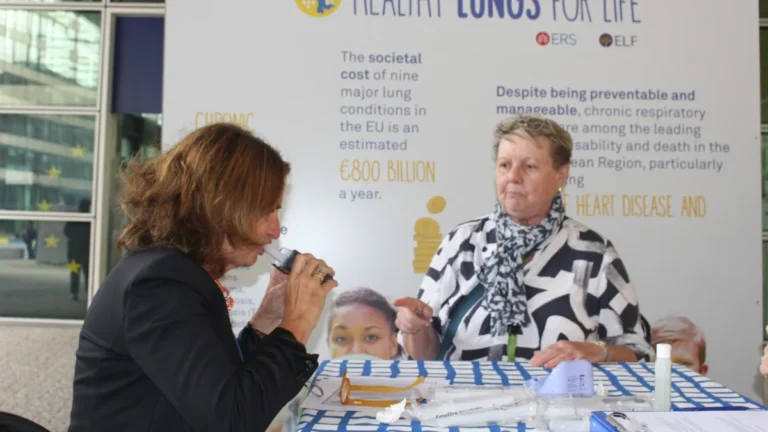
Barbara Hoffmann, Chair of the European Respiratory Society (ERS) Advocacy Council, highlighted the danger in a recent statement: "When industry funds its own research and selectively presents the results, people lose access to accurate information about risks that affect their health every day."
The "pattern of influence" identified by the ERS involves several key strategies:
- Lobbying on Standards: Diluting emission testing protocols for new appliances to ensure that products meet only the bare minimum of environmental regulations.
- Framing the Narrative: Utilizing the "carbon neutral" label to distract from the immediate, localized toxicity of wood smoke.
- Pressure on Policymakers: Using legal threats to create a culture of fear, ensuring that government bodies are reluctant to speak out against the industry.
This environment has made it increasingly difficult for local authorities to protect their citizens. When a council fears a lawsuit for simply reiterating the WHO’s health warnings, the social contract—whereby the government protects the welfare of its people—is effectively compromised.
Moving Forward: The Need for Evidence-Based Policy
The BMJ report is not merely a critique of the stove industry; it is a clarion call for the protection of independent scientific communication. As the Defend Science, Protect Public Health campaign, spearheaded by the ERS and the European Lung Foundation (ELF), highlights, the stakes are nothing less than the future of urban air quality.
To combat this, health advocates are calling for:
- Transparency Requirements: Mandatory disclosure of funding for all scientific research used in lobbying efforts.
- Legislative Protection: Laws that shield local councils from frivolous legal threats when they act in the interest of public health.
- Regulatory Decoupling: Separating climate policy from health policy to ensure that "carbon neutral" energy sources are not automatically exempted from strict air-quality health standards.
As we look toward 2030, the conflict over domestic wood burning serves as a litmus test for the resilience of democratic institutions. Can local governments provide objective health data to their citizens without fear of corporate reprisal? Can we prioritize the long-term health of our lungs over the short-term profits of the heating industry?
The evidence is clear: the air we breathe is a public resource, and the right to understand the risks we face is non-negotiable. It is time for policymakers to stop listening to the industry’s smoke and start listening to the scientists.