












For decades, the prevailing clinical and cultural approach to anxiety has been one of eradication. In a fast-paced modern world, the sensation of a racing heart, shallow breath, and intrusive worry is often viewed as a mechanical failure of the mind—a "glitch" to be suppressed through medication or "fixed" through rapid-fire cognitive behavioral techniques. However, a growing movement within the psychological community is advocating for a fundamental shift in how we perceive this universal human experience.
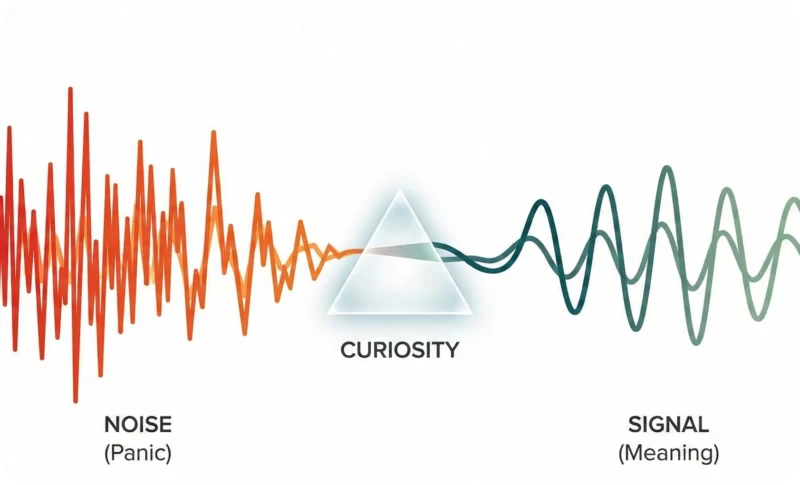
Clinicians and researchers are increasingly viewing anxiety not merely as a distressing symptom to be eliminated, but as a "signal"—a meaningful, albeit painful, message from the biopsychosocial system indicating that something in a person’s life, body, or relationships requires urgent attention. This reframe moves the therapeutic question from "How do I stop this?" to "What is my system trying to protect, and what does it need?"
Main Facts: Anxiety as a Meaningful Communication
Anxiety is currently the most common mental health challenge globally. According to the American Psychological Association (APA), anxiety is characterized by feelings of tension, worried thoughts, and physical changes like increased blood pressure. While it is often experienced as a barrier to productivity and happiness, its evolutionary roots are grounded in survival.
The "Anxiety as a Signal" framework posits that the nervous system does not produce distress at random. Instead, it functions as a sophisticated internal alarm system. When the alarm sounds, it is often reacting to perceived threats to safety, connection, or identity. By treating anxiety as information, therapists help patients decode the "deeper story" of their lives.
This approach recognizes that anxiety is frequently rooted in:
- Anticipatory Protection: The nervous system’s attempt to shield the individual from future pain based on past experiences.
- Unacknowledged Loss: Anxiety often masks grief, particularly regarding life transitions, health changes, or the loss of a former self.
- Relational Rupture: A lack of secure connection with others can trigger a persistent "scanning" for danger in social environments.
Chronology: From Suppression to Understanding
The history of anxiety treatment has evolved through several distinct phases, leading to the current integrated "signal" model.
The Era of Repression (Early 20th Century)
In the early days of psychoanalysis, anxiety was often viewed through the lens of repressed drives or internal conflicts. While this era introduced the idea of "meaning" behind symptoms, the treatments were often lengthy and lacked the biological grounding present in modern science.

The Pharmaceutical and Behavioral Revolution (Mid-to-Late 20th Century)
The mid-20th century saw the rise of anxiolytics (anti-anxiety medications) and the birth of Behaviorism. The focus shifted toward symptom management. Anxiety was seen as a maladaptive response that could be "unlearned" through exposure or chemically dampened. This era prioritized efficiency and the reduction of measurable distress.
The Cognitive Turn (1980s–2000s)
Cognitive Behavioral Therapy (CBT) became the gold standard, focusing on the "distorted thoughts" that fuel anxiety. While highly effective, some critics argued that this approach sometimes treated the mind as a computer to be reprogrammed, occasionally overlooking the somatic (body-based) and relational roots of the distress.
The Modern Integrated Approach (2010s–Present)
Today, the field is moving toward a "biopsychosocial" model. This approach, championed by clinicians like David Rothman and organizations like GoodTherapy, integrates neuroscience, attachment theory, and trauma-informed care. It acknowledges that the body "keeps the score" and that anxiety is a dynamic interaction between a person’s biology and their life circumstances.
Supporting Data: The Science of the Signal
The shift toward viewing anxiety as a signal is backed by extensive empirical research. In a 2017 study published in Nature Reviews Disease Primers, Craske et al. conceptualized anxiety as a future-oriented state tied to the anticipation of threat. This supports the idea that the brain is actively trying to solve a problem, even if that problem is not immediately visible.
The Physiological Reality
Anxiety is not "all in the head." Research by Stein and Sareen (2015) in the New England Journal of Medicine highlights that anxiety triggers a cascade of physiological responses, including increased heart rate, muscle tension, and hyper-vigilance. These are not random malfunctions; they are the body’s "fight-flight-freeze" response preparing for action. When these signals persist without a clear external predator, it often indicates an internal sense of unsafety or unresolved emotional work.
The Role of Loss
Clinical data suggests a high correlation between persistent anxiety and unprocessed grief. When individuals experience significant life transitions—such as the end of a relationship, a career change, or a health diagnosis—the nervous system can remain in a state of high alert. If the underlying loss is not mourned, the "signal" of anxiety continues to blare, demanding that the loss be recognized.
The Relational Connection
One of the most consistent findings in psychotherapy research is the importance of the "therapeutic alliance." Wampold and Imel (2015) demonstrated that the quality of the relationship between therapist and client is a primary predictor of success. This suggests that anxiety is often a "relational signal." When a person feels truly heard and cared for, their nervous system receives a "safety signal" that allows the anxiety to de-escalate.

Official Responses and Expert Perspectives
Professional organizations and veteran clinicians emphasize that while anxiety is a "signal," it requires a nuanced treatment plan that often combines multiple modalities.
The American Psychological Association (APA) maintains that while anxiety is a normal reaction to stress, it becomes a disorder when it is out of proportion to the situation and interferes with daily functioning. However, they increasingly provide resources that encourage "mindfulness" and "acceptance," which align with the signal-based approach.
David Rothman, a Licensed Professional Counselor, argues that the goal of therapy should not be to simply "mute" the patient. "When we treat anxiety as a signal, we shift from ‘What’s wrong with me?’ to ‘What is my system trying to protect, and what does it need?’" Rothman’s approach integrates Emotion Focused Therapy (EFT) and Accelerated Experiential Dynamic Psychotherapy (AEDP), both of which focus on the healing power of emotional processing and relational safety.
The National Institute of Mental Health (NIMH) continues to support Cognitive Behavioral Therapy (CBT) as a primary treatment. Modern CBT has adapted to include "Acceptance and Commitment Therapy" (ACT), which teaches patients to accept their internal signals rather than fighting them, thereby reducing the "secondary anxiety" caused by the fear of being anxious.
Implications: A New Way Forward for Patients
The implications of the "Anxiety as a Signal" model are profound for both clinical practice and individual self-care. It moves the focus of mental health from "pathology" to "insight."
1. From Avoidance to Curiosity
If anxiety is a signal, then avoiding the things that make us anxious only serves to make the signal louder. Implications for treatment include "exposure with meaning"—not just facing a fear, but understanding what that fear is trying to communicate about one’s values or past wounds.
2. Somatic Awareness
Understanding anxiety as a bodily signal has led to the rise of grounding techniques. Instead of trying to "think" their way out of a panic attack, patients are taught to use their breath and senses to signal safety to their nervous system. This "bottom-up" approach (body to brain) is often more effective in acute moments than "top-down" (brain to body) reasoning.
3. The Reframe of "Neediness"
In relationships, anxiety often manifests as a "reassurance-seeking cycle." Under the signal model, this is no longer viewed as "neediness" or "insecurity," but as a nervous system attempting to prevent a rupture in connection. Therapy can help individuals ask for connection in clearer, more direct ways, transforming the anxious signal into a tool for intimacy.
4. Holistic Healing
By listening to the signal, patients often discover that their anxiety is linked to larger systemic issues—workplace burnout, societal pressures, or intergenerational trauma. This empowers individuals to make changes not just in their thinking, but in their environments and lifestyles.
Conclusion
The evolution of anxiety treatment from "eradication" to "interpretation" represents a significant milestone in mental health. By acknowledging that anxiety is a sophisticated, albeit uncomfortable, communication from the self, the psychological community is offering a path to healing that is more compassionate and sustainable.
As the author David Rothman suggests, anxiety is an invitation to connection and self-understanding. When we stop fighting the alarm and start listening to what it is trying to protect, we do not just reduce symptoms—we begin to build a life that feels authentically safe, connected, and meaningful. For the millions navigating the "Age of Anxiety," this shift offers more than just relief; it offers the possibility of profound transformation.