









The landscape of personal fitness has undergone a seismic shift. No longer the exclusive domain of bodybuilders and elite athletes, the gym floor is now a melting pot of demographics: busy professionals seeking high-efficiency time management, an aging population managing complex physical limitations, post-injury patients, and youth athletes looking for a performance edge.
As the demand for qualified fitness guidance surges, so too does the industry’s barrier to entry. The marketplace is currently flooded with a vast spectrum of practitioners, ranging from highly credentialed coaches with decades of clinical experience to hobbyists who obtained a certificate after a single weekend of online testing. For the consumer, navigating this landscape is more than just a matter of convenience; it is a significant investment of time, money, and personal health.
Jeff Payne, a seasoned Connecticut-based studio owner and a prominent educator for fitness professionals via his digital platforms, has observed this fragmentation firsthand. "Knowing the difference between a ‘certificate holder’ and a true professional is the single most important step in achieving your fitness goals," Payne notes.
The Foundation: Why Certifications Are Not Negotiable
The primary hurdle for any prospective client is distinguishing between a weekend workshop and a rigorous, nationally recognized certification. According to Payne, the gold standard for trainers includes credentials from reputable organizations such as the National Academy of Sports Medicine (NASM), the American Council on Exercise (ACE), the American College of Sports Medicine (ACSM), the National Strength and Conditioning Association (NSCA), and the International Sports Sciences Association (ISSA).
The Rigor of the Exam
A legitimate certification is not a passive process. It is a grueling academic undertaking that requires candidates to synthesize knowledge across anatomy, kinesiology, exercise science, nutrition, and behavioral psychology.
"You are essentially cramming the equivalent of a college-level course on human performance into a few months," Payne explains. "Most candidates juggle full-time jobs and family commitments while studying. It’s a massive commitment that weeds out those who aren’t serious about the science of training."
Integrating Modern Tools for Mastery
To manage the heavy cognitive load of certification prep, many top-tier trainers now utilize adaptive learning technologies. Payne has long championed the use of platforms like Pocket Prep, which utilize exam-style simulations to identify knowledge gaps in real-time. By breaking study sessions into 15-to-20-minute micro-learning segments, aspiring trainers can maintain momentum despite busy schedules. This, Payne argues, is a harbinger of the discipline required to be a successful coach—the ability to optimize time for maximum retention.
Upskilling: The Roadmap to Specialized Coaching
A baseline certification is merely the "learner’s permit" of the fitness world. The professionals who consistently deliver high-end results are those who pursue continuous education. Within the first year of practice, Payne advises trainers to seek a dedicated nutrition credential, such as those offered by Precision Nutrition or NASM.
"Nutrition is the missing link for 90% of clients," says Payne. "When a trainer can provide evidence-based guidance on fueling and recovery, the results in the gym accelerate exponentially."
The Move Toward Corrective Exercise
As the average age of gym-goers rises, the need for "corrective exercise"—a specialized field focusing on movement patterns, injury prevention, and mobility—has become paramount. Trainers who possess these skills are increasingly in demand, as they can bridge the gap between physical therapy and traditional strength training, allowing clients with chronic pain or limited range of motion to train safely.
Further specializations, such as pre- and postnatal coaching or sports-specific periodization, round out the toolkit of an elite practitioner. These credentials, which typically require two to three months of focused study, allow a coach to transition from a generalist to a specialist capable of navigating complex physiological landscapes.
The Intangible Metrics: Beyond the Science
While certifications provide the "hard skills" required for safety, they do not account for the "soft skills" required for success. Payne identifies two specific, non-quantifiable traits that delineate the good from the truly transformative: adaptability and accountability.
The Adaptability Quotient
An elite trainer is a master of the "pivot." If a client arrives at a session having slept four hours, or if they are nursing a flare-up of a recurring injury, the trainer must be able to adjust the programming on the fly. Rigid adherence to a spreadsheet is the mark of a novice; the ability to read the client’s physiological and psychological state and adapt the session accordingly is the mark of a master.
The Power of Human Accountability
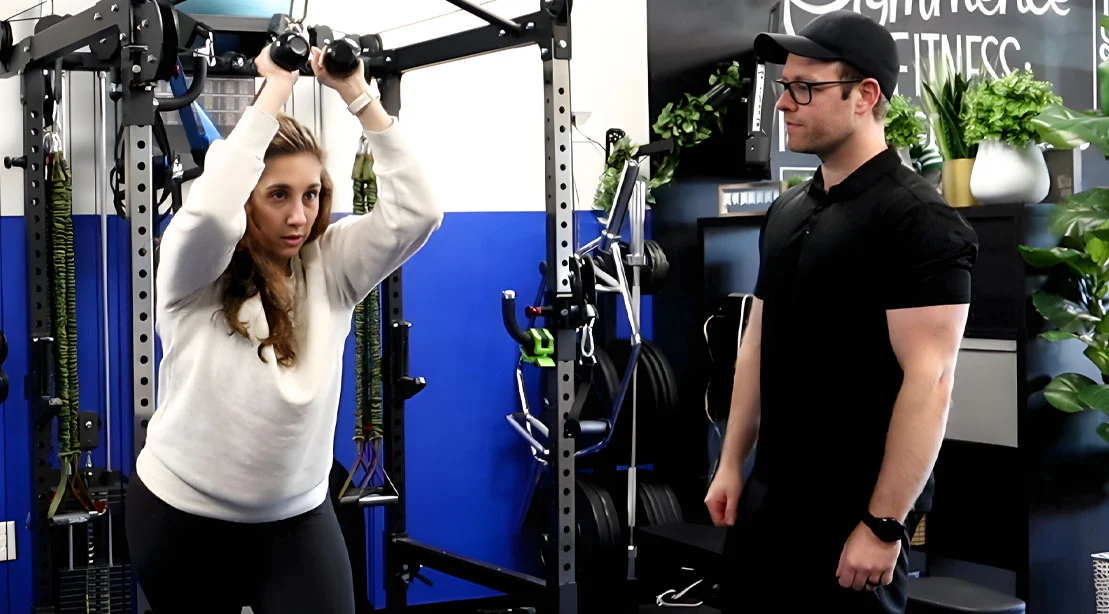
Perhaps the most overlooked, yet vital, component of personal training is the accountability factor—the "human element" that remains immune to AI intervention. "People pay for my time because it forces them to show up," Payne says. "If you cancel on an app, there is no consequence. If you cancel on a person, there is a social and emotional dynamic. That human connection is the bridge between intention and execution."
The Myth of the "Physically Imposing" Trainer
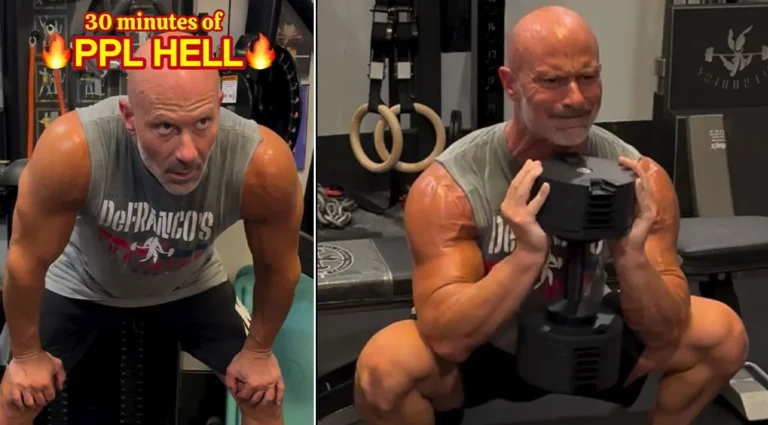
A common trap for consumers is the assumption that the trainer with the most impressive physique is the most knowledgeable. Payne cautions against this "visual bias."
"Many clients see a bodybuilder-esque trainer and think, ‘That is who I want to look like, so that is who I should hire,’" Payne observes. "However, the trainer’s ability to perform a heavy lift has nothing to do with their ability to teach a client how to move safely. Often, the most effective coaches are those who are approachable, professional, and empathetic. They create an environment where the client feels safe to ask questions rather than intimidated by the trainer’s ego."
The Consumer’s Checklist: Three Questions to Ask
To cut through the marketing noise, Payne suggests three critical inquiries that every prospective client should pose to a potential trainer before signing a contract:
- "Can you provide evidence of your experience with my specific goal?" If your goal is weight loss, a trainer should be able to provide testimonials or case studies of clients who have achieved similar results.
- "What is your philosophy on movement assessment?" A great trainer will never jump straight into a high-intensity workout without first evaluating your movement quality, joint mobility, and baseline strength.
- "How do you approach long-term programming?" Beware of trainers who treat every session as a random, "randomized" workout. A professional should have a clear, multi-week plan that aligns with your specific needs and progress.
Implications for the Future of the Industry
The fitness industry is at a crossroads. As technology continues to offer cheaper, faster alternatives to human coaching, the value of the human trainer is increasingly tied to their ability to act as a mentor and behavioral coach.
The professionalization of personal training is not just about passing an exam; it is about the sustained pursuit of education and the development of interpersonal intelligence. As Jeff Payne emphasizes, a great trainer is part educator, part motivator, and part strategist. When these elements align, the result is not just a fitter body, but a more resilient, healthier individual.
For the consumer, the takeaway is clear: do your due diligence. Verify the credentials, look for specialized knowledge, and prioritize the coach who listens more than they speak. In a sea of online influencers and "quick-fix" certifications, the true professionals are those who stand on a foundation of science, empathy, and proven, long-term results.