









By Alex Hogan
Senior Multimedia Producer, STAT
May 15, 2026
In the landscape of American public health, the conversation surrounding substance use is often dominated by the catastrophic toll of synthetic opioids. From the harrowing headlines regarding fentanyl to the persistent devastation wrought by methamphetamine, the national discourse is fixated on illicit narcotics. Yet, hidden in plain sight—on dinner tables, at sporting events, and in the aisles of neighborhood grocery stores—is a substance that claims more lives annually than any other drug in the United States.
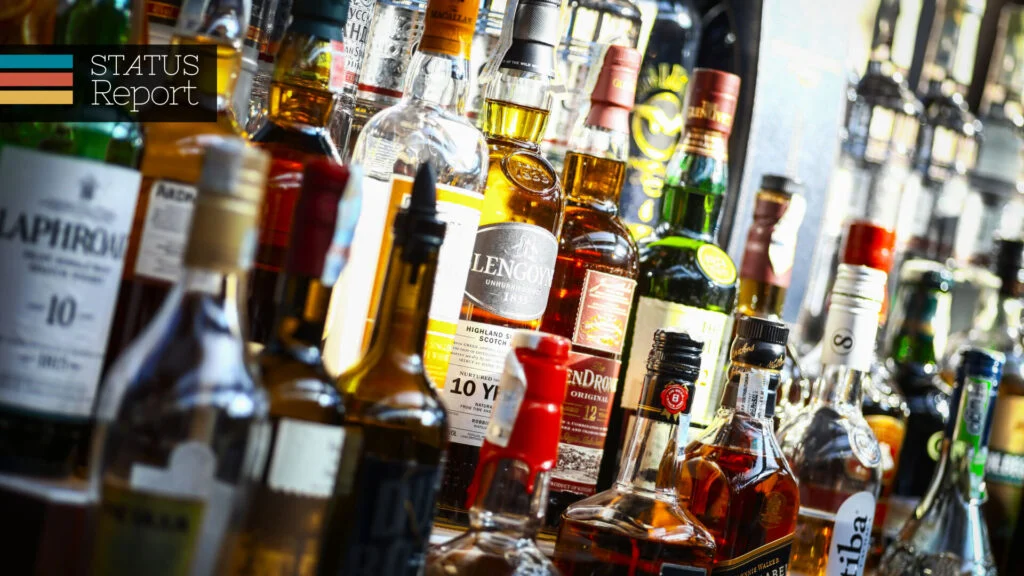
Alcohol, a legal and socially ubiquitous commodity, is the deadliest drug in America. Despite its role in a staggering number of deaths, hospitalizations, and social crises, it remains largely exempt from the urgency typically afforded to substance abuse epidemics. To investigate this jarring contradiction, STAT reporters Isabella Cueto and Lev Facher spent months peeling back the layers of public perception and policy paralysis to produce the landmark series, "The Deadliest Drug."
Main Facts: The Paradox of Consumption
The central premise of Cueto and Facher’s reporting is simple yet profound: We are living through an alcohol-induced health crisis, yet we treat it as a cultural staple rather than a public health emergency.
While the opioid crisis has spurred federal task forces, legislative overhauls, and massive public awareness campaigns, alcohol consumption remains deeply entrenched in American life. The physiological toll is undeniable: alcohol is a toxin that causes cancer, liver disease, cardiovascular failure, and cognitive impairment. Beyond the biological impact, it is a primary driver of motor vehicle fatalities, domestic violence, and a significant percentage of the nation’s burden on emergency medical services.
The series explores the "ambivalence gap"—the psychological and societal disconnect that allows a substance responsible for tens of thousands of deaths annually to be viewed as benign or even beneficial, while other drugs are met with fear and condemnation.
Chronology: A History of Normalization
To understand why America struggles to confront alcohol, one must look at the timeline of its integration into the national fabric.
The Post-Prohibition Era (1933–1970s)
Following the repeal of the 18th Amendment, the American alcohol industry underwent a period of aggressive normalization. The focus shifted from the "evils of drink" to the celebration of "responsible consumption." By the mid-20th century, alcohol marketing became sophisticated, associating consumption with status, romance, and the American dream.
The Expansion of Availability (1980s–2010s)
The latter part of the 20th century saw a systematic dismantling of restrictions. State-run liquor stores were privatized in many jurisdictions, hours of operation were extended, and the rise of "craft" culture rebranded alcohol as an artisanal pursuit rather than a dangerous chemical.
The Pandemic Catalyst (2020–2022)
The Covid-19 pandemic served as a force multiplier for the crisis. Lockdowns and the stress of global isolation led to a sharp increase in at-home alcohol consumption. During this period, the perception of alcohol as a "coping mechanism" became socially codified, further embedding the habit into daily routines.

The Current Crisis (2023–2026)
We are currently in a phase where the delayed medical consequences of the pandemic’s drinking habits are beginning to overwhelm the healthcare system. Emergency rooms are seeing an influx of patients with advanced alcohol-related liver disease at younger ages than previously recorded, marking a shift from a "long-term habit" issue to an acute health crisis.
Supporting Data: The Quantitative Toll
The statistics behind "The Deadliest Drug" are sobering. Unlike illicit drugs, which are tracked via discrete seizures and overdose counts, the data on alcohol is often buried in disparate categories like "chronic liver disease," "accidental injury," and "suicide."
- Mortality: Alcohol-related deaths in the U.S. have been on a steady upward trajectory for over a decade. When accounting for both direct toxicity and alcohol-related accidents, the annual death toll significantly eclipses that of the illicit drug trade.
- Economic Burden: The economic cost to the United States—including lost productivity, healthcare expenditures, and law enforcement costs—is estimated in the hundreds of billions of dollars annually.
- Accessibility Metrics: The density of alcohol outlets per capita in major U.S. cities has increased by 15% over the last decade, with lower-income neighborhoods disproportionately targeted by aggressive marketing and retail saturation.
- Public Opinion Surveys: Data collected by the STAT reporting team reveals that while a majority of Americans acknowledge that "alcohol can be bad for you," fewer than 10% view it as a "public health epidemic" comparable to the opioid crisis.
Official Responses: A Policy Void
The reaction from federal and state health agencies has been largely reactive rather than preventative. While the National Institute on Alcohol Abuse and Alcoholism (NIAAA) provides excellent research, that data rarely translates into the kind of aggressive regulatory action seen with other controlled substances.
The Regulatory Struggle
The alcohol industry wields immense lobbying power in Washington, D.C., and state capitals. This influence has successfully stymied efforts to implement stricter taxation, limit advertising to minors, or enforce tighter restrictions on distribution. Unlike the pharmaceutical industry, which faced a massive reckoning over the opioid crisis, the alcohol industry has largely avoided legislative scrutiny.
The Public Health Dilemma
Many health officials feel hamstrung by the cultural attachment to alcohol. Implementing the same restrictions on alcohol that are applied to tobacco—such as graphic warning labels or strict age-gated marketing—is often met with intense political resistance, labeled as "nanny-state" overreach by critics.
Implications: The Path Forward
The implications of continuing our current path are dire. As the population ages, the healthcare system will face an unprecedented strain from chronic alcohol-related illnesses. The failure to address this is not just a policy oversight; it is a fundamental breakdown in how the nation defines and protects public health.
What Can Be Done?
Cueto and Facher’s reporting suggests several potential pathways for reform:
- Reframing the Narrative: Shifting the focus from "moral failing" to "public health hazard" is the first step toward destigmatizing treatment and prioritizing prevention.
- Taxation as Policy: Increasing excise taxes on alcohol—a move that has been shown to reduce consumption—could provide the funding necessary for addiction services.
- Mandatory Labeling: Providing consumers with clear information regarding cancer risks and caloric content, similar to food labeling, could begin to erode the "ambivalence" surrounding the substance.
- Strengthening Primary Care: Integrating alcohol screening into routine medical visits could catch problematic consumption before it advances to life-threatening chronic disease.
Conclusion
The series "The Deadliest Drug" does not call for a new era of Prohibition; it calls for a new era of honesty. By treating alcohol with the same clinical and social seriousness we accord other substance crises, the United States could begin to mitigate a tragedy that has been hidden in plain sight for far too long.
In this week’s STATus Report, I sit down with Isabella Cueto and Lev Facher to go beyond the numbers. We discuss the human stories they encountered during their months of reporting, the psychological barriers that prevent us from seeing alcohol clearly, and the difficult, necessary conversations that policymakers must eventually have if we are to stem the tide of this silent epidemic.
To listen to the full interview and read the entire "The Deadliest Drug" series, visit STATnews.com.