










Published May 14, 2026. Originally featured in the January-February 1982 issue of Yoga Journal.
In the vast landscape of yoga, few postures command as much reverence as Sarvangasana, or the Supported Shoulderstand. Often heralded as the "Queen of Asanas," this inversion serves as a cornerstone of traditional practice, bridging the gap between physical conditioning and profound psychological introspection. As we revisit the archives of Yoga Journal, we uncover that the wisdom imparted in 1982 remains as clinically and spiritually relevant today as it was nearly half a century ago.
Main Facts: The Anatomy of "All-Limb" Pose
The term Sarvangasana is derived from the Sanskrit roots sarva (all) and anga (limb). By definition, it is a posture that purports to benefit the entire organism. Unlike many floor-based poses, Shoulderstand utilizes gravity as a therapeutic tool rather than a hurdle to be overcome.
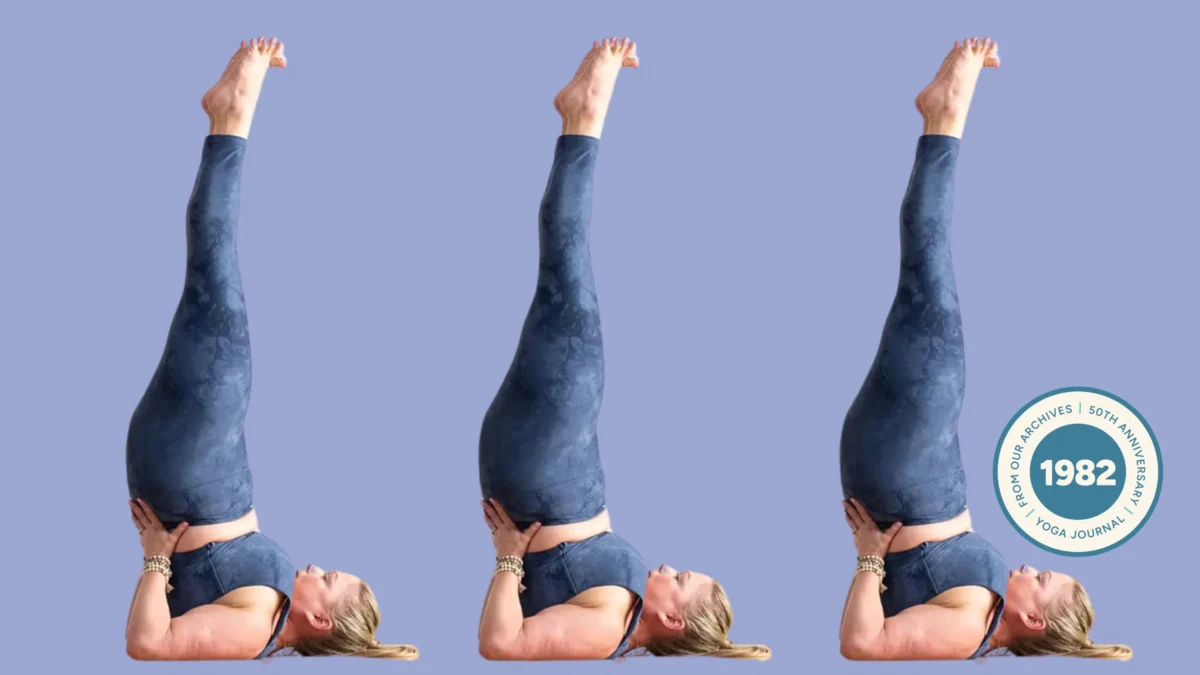
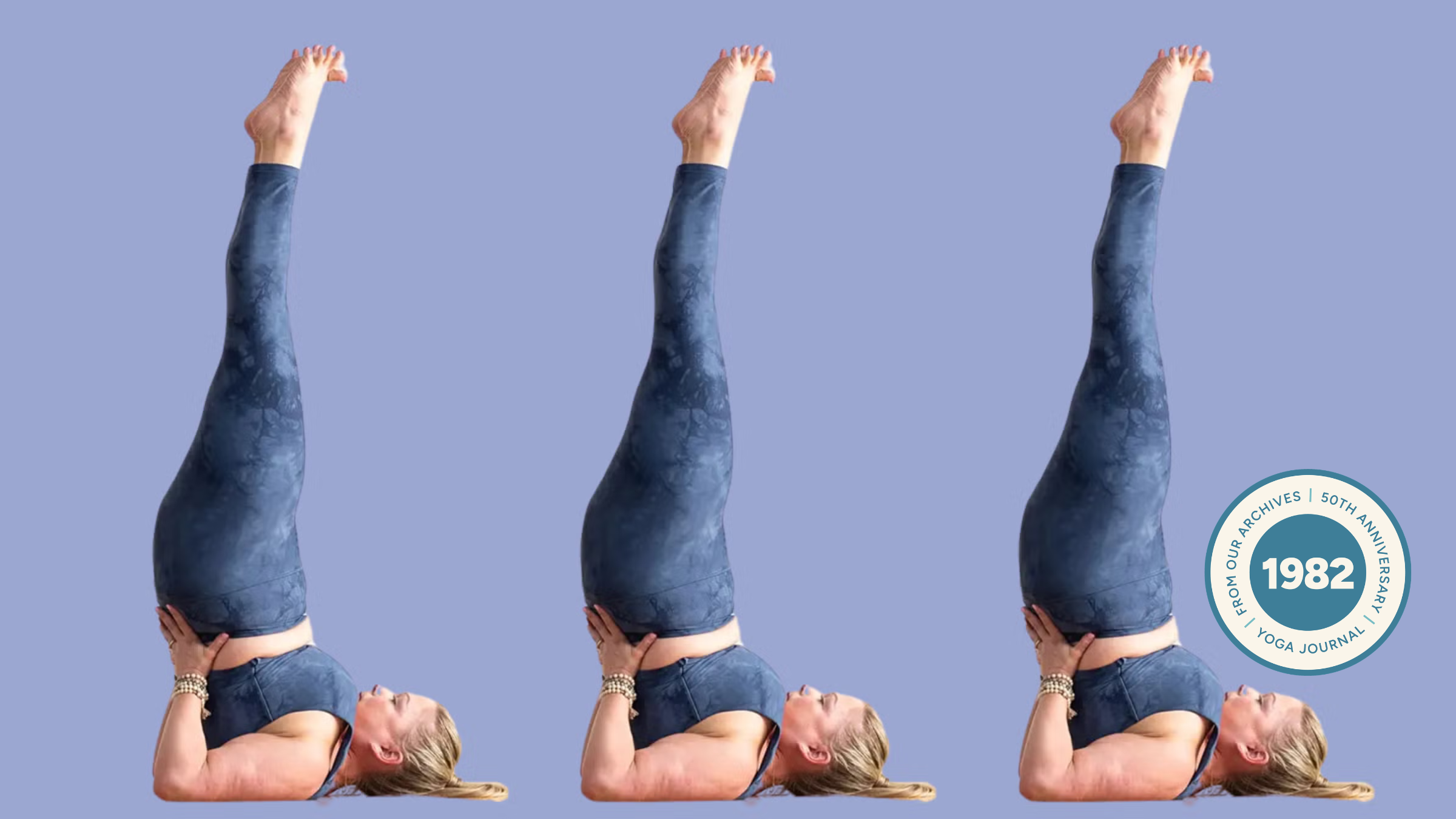
At its core, the pose requires the practitioner to invert the body, resting the weight on the shoulders, upper arms, and elbows, while supporting the torso with the hands. By lifting the legs and pelvis into a vertical alignment, the practitioner creates a unique physiological environment that encourages venous return, metabolic regulation, and a shift in the autonomic nervous system’s state from "fight or flight" to "rest and digest."
A Historical Chronology: From Ancient Roots to Modern Practice
The practice of Shoulderstand is not a modern invention; it is a legacy passed down through generations of yogis who understood the body’s innate need for inversion.
- Ancient Period: Yogis observed that the body, in its natural upright state, is subject to the constant drag of gravity. Ancient texts alluded to the cooling, soothing effects of inversions, often linking them to the preservation of vitality.
- 1975–1982: Yoga Journal began documenting the nuances of this pose, moving it from the esoteric halls of ashrams into the mainstream consciousness of the Western yoga community. During this era, the focus shifted toward precision—emphasizing the protection of the cervical spine through the use of props like wool blankets.
- The 21st Century: Today, the pose has been refined by biomechanical understanding. We now view Shoulderstand not just as an endurance feat, but as a sophisticated exercise in spinal alignment, requiring a delicate balance between core strength and shoulder mobility.
Supporting Data: The Science of Inversion
Scientific inquiry has long sought to validate the claims of ancient practitioners. When the body is inverted, the cardiovascular system undergoes a distinct shift in function.
Venous Return and Blood Pressure
In the upright position, veins—which lack the muscular lining of arteries—must work against gravity to return blood to the heart. This pooling can lead to fatigue, leg swelling, and, in some cases, orthostatic hypotension. By reversing this orientation, Shoulderstand facilitates the effortless flow of venous blood back to the heart. This decompression is vital for runners and athletes who frequently suffer from lactic acid buildup and heavy-leggedness.
The Thyroid and Metabolic Regulation
The inversion places the chin in a position of "Jalandhara Bandha" (throat lock). This compression is believed to increase blood circulation to the thyroid gland, which is situated just above the sternum. While modern endocrinology continues to study the nuances of this effect, the subjective reports of increased mental clarity and metabolic stability among long-term practitioners remain significant.
The Neurological "Softening"
Perhaps the most compelling data is the reported effect on the nervous system. By shifting the perspective—literally looking toward the heart rather than the external world—the practitioner enters a state of sensory withdrawal known as Pratyahara. This is not a passive act; it is a conscious redirecting of the consciousness from the eyes to the back of the brain, inducing a state of meditative stillness that lowers heart rate and blood pressure.
Official Guidelines: How to Practice Safely
Safety is paramount when practicing Shoulderstand. Because the neck is a delicate structure, the following protocols are recommended for practitioners of all levels.
Preparing the Environment
- The Base: Use firm, thick wool blankets. The goal is to elevate the shoulders so that the neck remains in a "gully" between the blankets, ensuring the cervical spine bears zero weight.
- The Alignment: Ensure the shoulders and buttocks are on a level plane. If the buttocks are lower than the shoulders, the lumbar spine will arch, creating unnecessary strain.
- The Elbows: A common mistake is allowing the elbows to splay outward. Using a belt around the arms, just above the elbows, acts as a structural stabilizer, allowing the practitioner to push the shoulders into the floor and lift the spine vertically.
Progression for Beginners
- The Wall Method: Begin by using a wall for stability. Push your feet against the wall to assist in lifting the pelvis, then slowly walk your feet up. This allows the body to acclimatize to the inverted position without demanding excessive abdominal strength.
- The Chair Variation: For those with limited shoulder mobility or neck sensitivity, a sturdy folding chair can provide the necessary lift. By using the chair as a platform, the practitioner can experience the benefits of the inversion while significantly reducing the pressure on the throat and cervical vertebrae.
Implications: Psychological and Physical Integration
The implications of incorporating Shoulderstand into a regular routine extend far beyond physical health. It is frequently referred to as the "Mother Pose" for its nurturing, restorative qualities.
Emotional Equanimity
In the modern world, our senses are constantly bombarded by external stimuli. Shoulderstand forces an internal retreat. By taking the consciousness away from the eyes—the primary windows to the external world—and moving it inward, the practitioner cultivates a unique form of "receptive stillness." When the eyes become soft and still, the mind often follows suit. This state of equanimity is one of the ultimate goals of the yoga tradition.
Addressing Common Concerns
- Pregnancy and Menstruation: It is widely advised to avoid deep inversions like Shoulderstand during menstruation, as they may disrupt the natural downward flow of the body’s energy. During pregnancy, the pose may be beneficial but should only be performed under the guidance of a qualified instructor or medical professional.
- The "Red Face" Phenomenon: If a student finds their face turning bright red, it is a sign of venous congestion caused by excessive pressure on the jugular veins. This indicates that the neck is not properly supported. The solution is to increase the height of the blanket support under the shoulders, thereby freeing the throat and allowing for unimpeded circulation.
A Note for Instructors: Protecting the Cervical Spine
For teachers, the responsibility of teaching Shoulderstand is significant. The cervical vertebrae are the most delicate moving parts of the spine. When teaching, emphasize that "feeling" the weight on the head is a sign of improper setup.
The weight should be distributed entirely through the shoulders and elbows. If a student complains of neck pain, the instructor must immediately reassess the blanket height. A small, rolled towel placed beneath the neck—not the shoulders—can help maintain the natural cervical curve, preventing the neck from flattening out.
Ultimately, Sarvangasana is a practice of patience. It is an invitation to pause, to breathe, and to observe the world from a vantage point that fosters both strength and surrender. Whether one is a seasoned practitioner or a curious beginner, the lessons found within the inversion—of balance, of alignment, and of inner quietude—are timeless. As the 1982 archives remind us, when we turn our world upside down, we often find exactly what we need to remain upright in the chaos of daily life.