





Published May 14, 2026
In the quiet, high-altitude air of the Mexican Plateau, some 6,000 feet above sea level, the traditional markers of a tropical getaway—the crashing surf of the Pacific or the humid emerald canopy of the rainforest—are notably absent. Yet, it is here that a new, sophisticated class of traveler is finding the ultimate luxury: stillness.
As of mid-2026, the data is undeniable: Mexico has solidified its position as the primary destination for American travelers seeking more than just a vacation. With approximately 27 percent of all international trips by U.S. citizens currently directed toward the country, the motive for this migration has shifted. While sun and sand remain staples, a growing share of these travelers are coming to practice the ancient art of intentional silence.
The Shift Toward Sacred Landscapes
The maturation of Mexico’s wellness infrastructure represents a departure from the "imported" retreats of the early 2000s. Today, the focus is on a deeper, more symbiotic relationship with the land. Whether it is the sleek, red-light saunas of the Mexican Plateau’s HAUS sanctuary or the ancient, moss-covered cenotes of the Yucatán, the modern wellness experience in Mexico is increasingly rooted in Indigenous wisdom.
This evolution is not merely an aesthetic choice; it is a fundamental shift in the travel economy. The Global Wellness Institute’s latest Country Rankings Report has officially identified Mexico as a global leader in market growth. According to data from Research and Markets, the country now generates an estimated $12 to $13 billion annually in wellness tourism alone. This surge is fueled by a demographic of self-directed, affluent travelers who prioritize cultural authenticity over cookie-cutter resort experiences.
A Chronology of Transformation
To understand how Mexico achieved this status, one must look at the strategic shifts made over the last several years:
- 2024: Increased demand for "transformative travel" sees boutique, eco-conscious resorts outperforming traditional mega-resorts in the Riviera Maya and Baja regions.
- 2025: UNESCO and the Mexican Secretariat of Tourism launch a landmark initiative to pivot away from generic mass tourism, focusing instead on community-based tourism in states like Oaxaca and Puebla. This strategy empowers local curanderas and Indigenous practitioners to lead wellness experiences, ensuring the economic benefits remain in the hands of local communities.
- 2026: Mexico cements its dominance in the North American wellness market, aided by its proximity to U.S. travel hubs. The ease of access—a short morning flight from Los Angeles, Houston, or New York—makes the country vastly more accessible and affordable than the far-flung, time-intensive retreats in Bali or India.
Supporting Data: Why Mexico Wins
The competitive advantage held by Mexico is twofold: accessibility and environmental integration.
For the average American practitioner, the "cost" of a wellness retreat is measured not just in dollars, but in logistical friction. By removing the need for 20-plus hours of travel, Mexico allows for a deeper immersion into the "no pasa nada"—or "no worries"—mindset that defines the local culture.
According to market analysts, the current wellness boom is characterized by three pillars:
- Cultural Alignment: Programs are increasingly led by local experts who teach traditions like the temazcal (sweat lodge) with the nuance passed down through generations.
- Environmental Stewardship: Resorts like Playa Viva have pioneered B-Corp-certified, off-grid operations that utilize permaculture and local ecology to facilitate healing.
- Economic Resilience: The shift toward community-based tourism has created a "virtuous cycle" where the preservation of land and culture directly supports the profitability of the hospitality sector.
Official Perspectives and Implications
The rise of Mexico’s wellness sector has not gone unnoticed by global policymakers. The collaboration between UNESCO and the Mexican government is a direct response to the "over-tourism" seen in parts of the Caribbean. By centering Indigenous knowledge, officials are attempting to create a sustainable model that protects sacred sites while meeting the needs of a modern, wellness-hungry public.
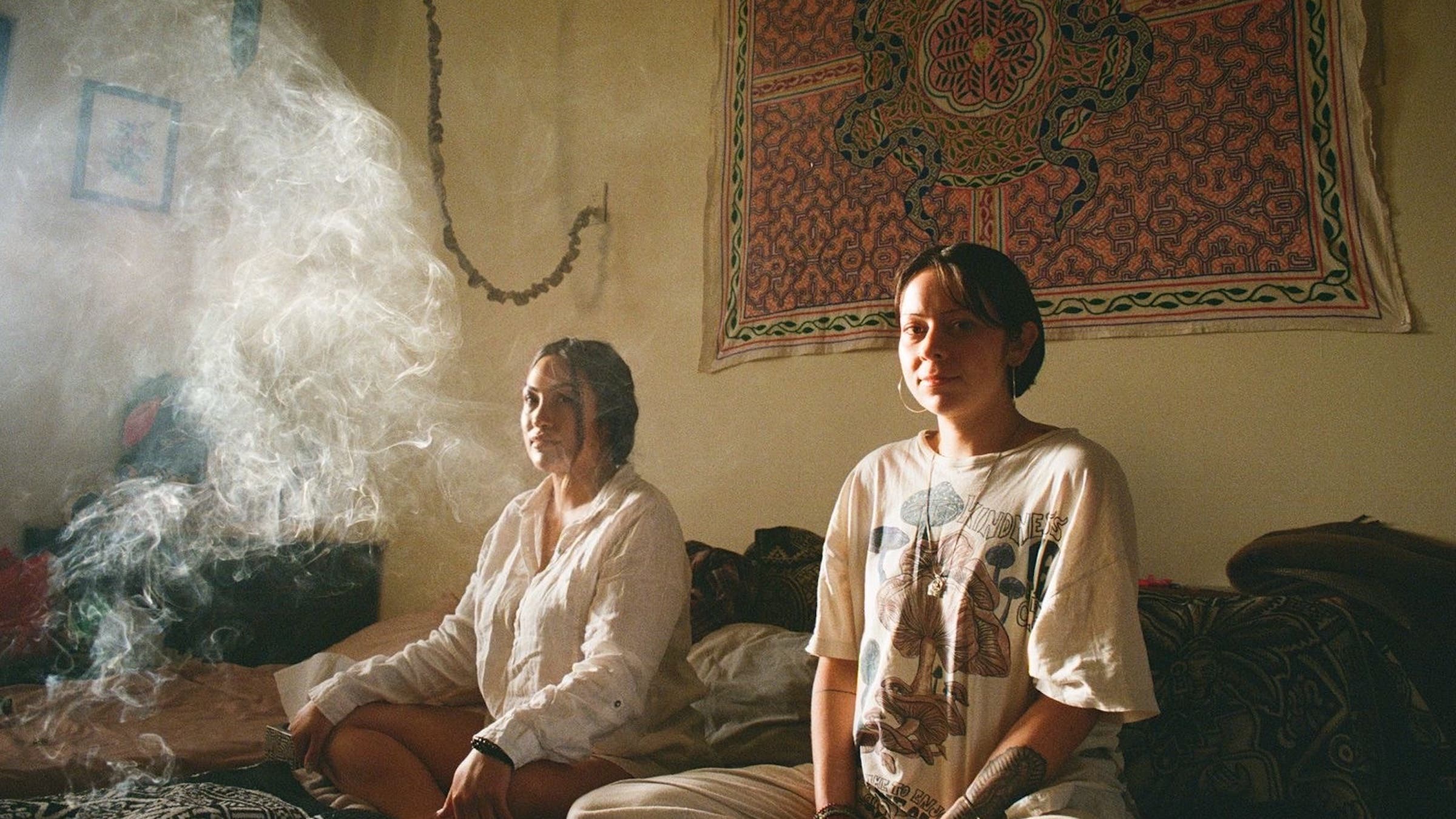
For the traveler, this means a shift in expectations. The "perfectly curated" container of the past is being replaced by something more organic. As one long-term expat noted, the heat often builds faster than the schedule allows, and the ocean often dictates the pace better than any retreat leader. This surrender to the environment is the core of the current Mexican wellness experience.
The Four Pillars of the Modern Mexican Retreat
For those seeking to explore this landscape, four destinations currently define the gold standard for authenticity and restoration.
1. The Off-Grid Sanctuary: Mujeres de Medicina at Playa Viva (Zihuatanejo)
Playa Viva serves as a masterclass in eco-luxury. Operating on a strictly off-grid basis, the property integrates a sea turtle sanctuary and permaculture gardens with high-end hospitality. Their upcoming Alma y Corazón journey, led by Latina healers Marjorie Sierra, Sofia Zarina Mondragon, and Denika Tamayo, exemplifies the move toward women-led, Indigenous-rooted healing that avoids the "spiritual bypass" often found in Westernized yoga retreats.
2. The Spiritual Geography: Chablé Yucatán (Chocholá)
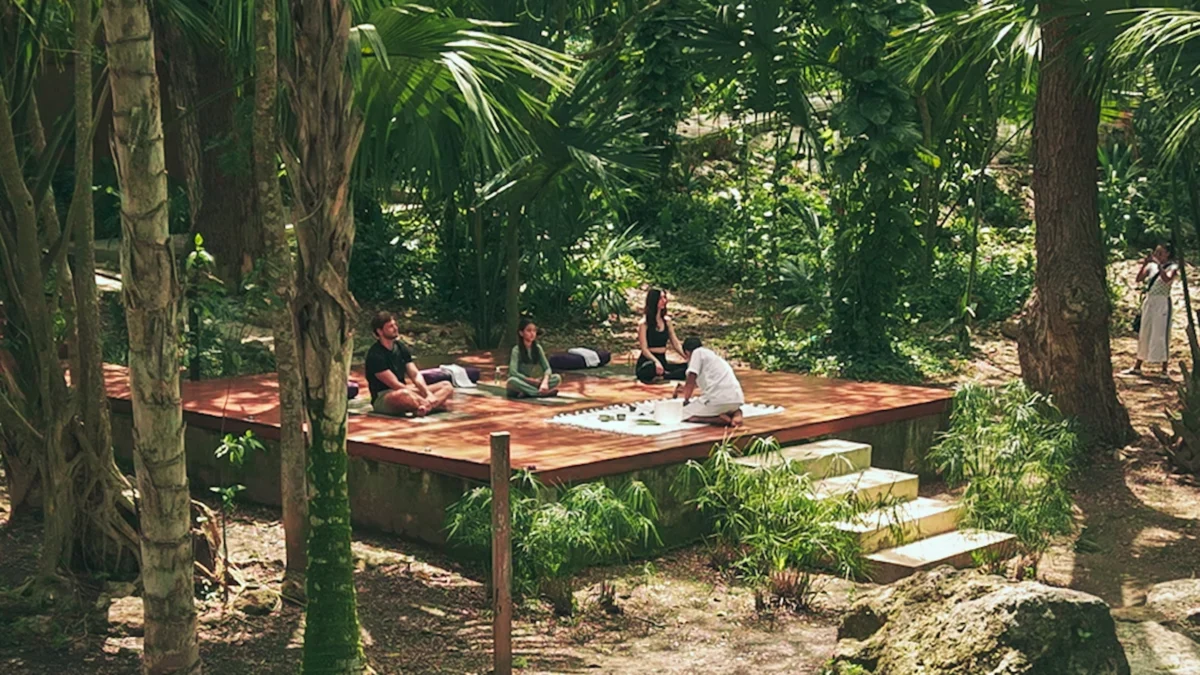
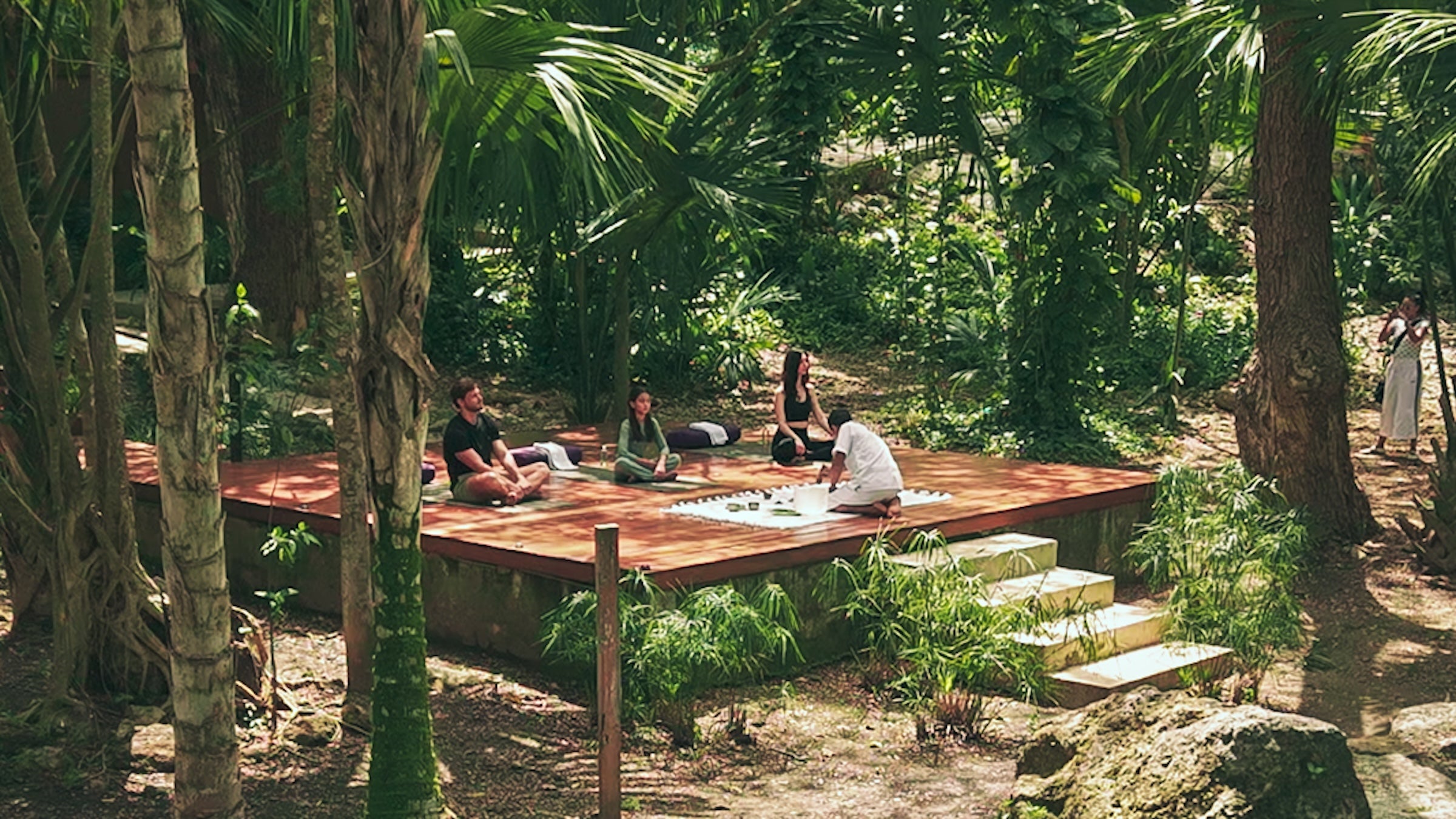
Built around a centuries-old cenote, Chablé Yucatán treats the landscape as the primary instructor. By positioning yoga and temazcal ceremonies within a site considered sacred by the Maya for millennia, the resort taps into a spiritual frequency that is difficult to replicate elsewhere. The emphasis here is on "place-based wellness," where the guest’s practice is inherently linked to the history of the ground beneath them.
3. Jungle Immersion: 5 Elements at Haramara Retreat (Sayulita)
Founded by Sajeela de la Borbolla, Haramara was constructed with a "low-impact" philosophy that requires visitors to leave the modern world behind—quite literally, as there is no air conditioning. The immersion in the humid, living jungle provides a sensory grounding that is essential for the 50-hour YACEP training offered by practitioners like Kali Basman. It is a space for deep inquiry where the sound of the Pacific is the constant soundtrack to meditation.
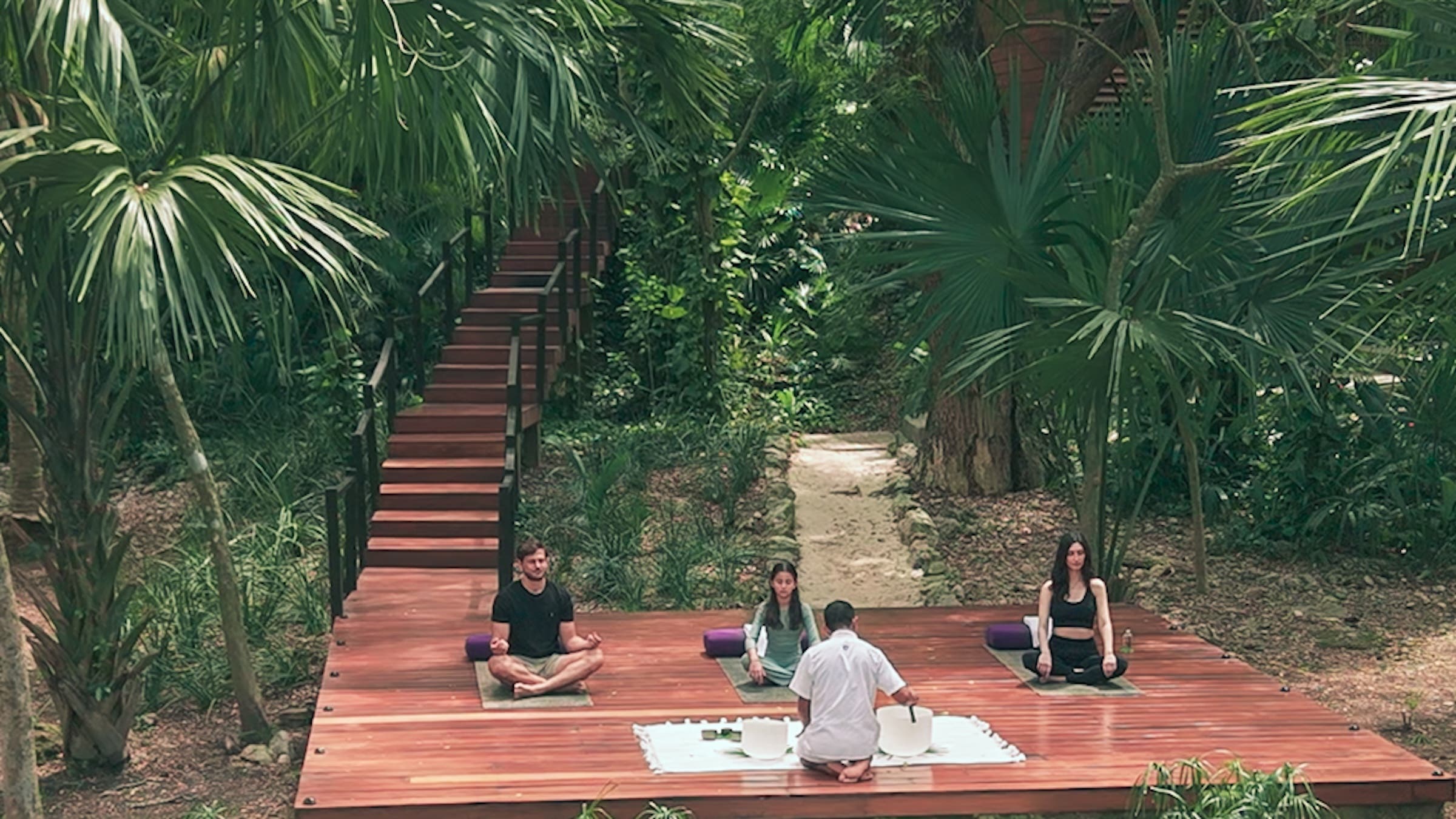
4. The Reimagined All-Inclusive: Palmaïa, The House of Aïa (Riviera Maya)
Palmaïa represents the most successful pivot of the traditional "all-inclusive" model. By replacing loud entertainment with "Architects of Life" programming, the resort offers a seamless transition into wellness. From plant-forward dining to daily sound baths, the resort anticipates the needs of the guest, creating a container that is both luxurious and deeply restorative, even for families.
Conclusion: The Path Ahead
The data provided by the Global Wellness Institute is, in many ways, an incomplete map. Statistics can track the growth of the industry, but they cannot capture the texture of a breathwork circle held beneath a 400-year-old mesquite tree or the profound silence that follows a temazcal ceremony.
As Mexico continues to refine its approach to wellness, the takeaway for the global community is clear: true restoration cannot be imported. It must be cultivated from the soil, the history, and the people of the land itself. For the brave traveler willing to surrender their own rigid plans to the rhythm of this sacred country, Mexico offers a transformation that is not just possible, but inevitable. Whether you are seeking a teacher training in the jungle or a silent hour in a mountain bathhouse, the path to stillness is waiting—and it is closer than you ever imagined.