










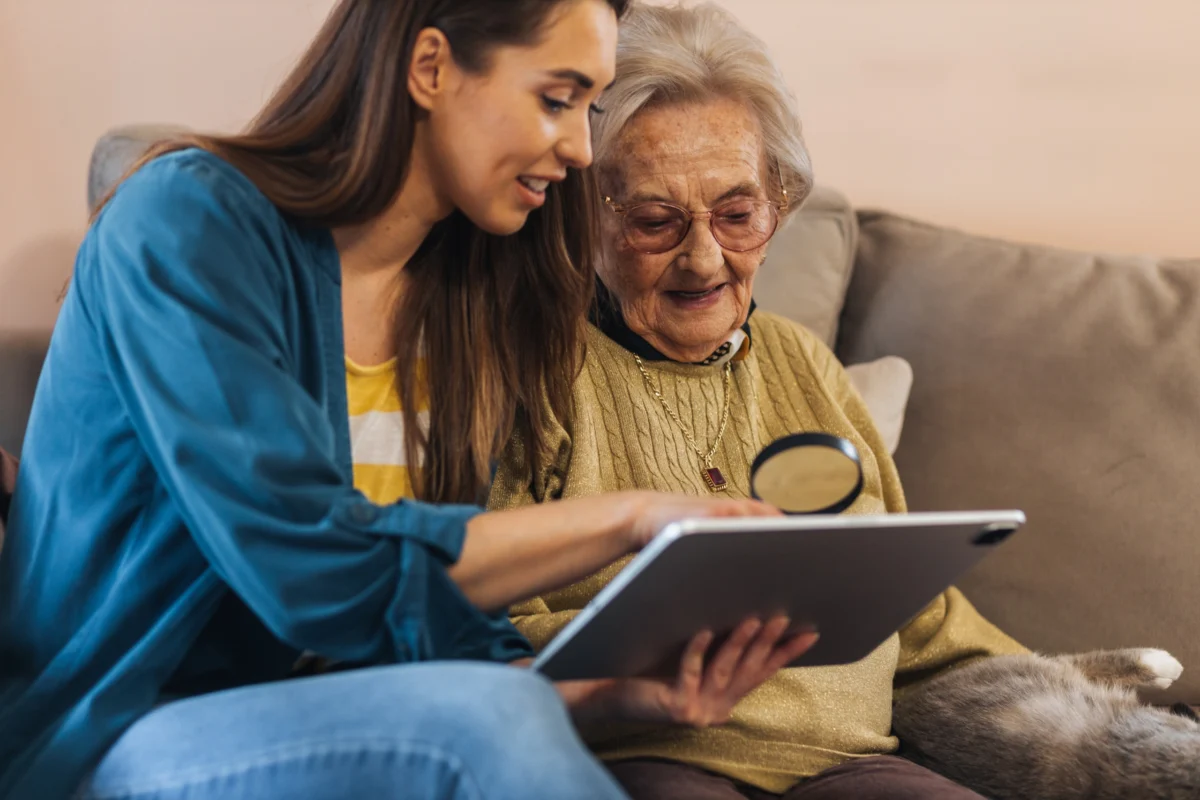
The landscape of modern medicine has undergone a seismic shift, moving beyond the traditional confines of the physician’s office and into the digital realm. Telehealth—the practice of delivering clinical healthcare services through telecommunications technologies—has transitioned from a niche convenience to a cornerstone of patient-centered care. For older adults, who often manage complex, chronic conditions and face significant mobility hurdles, this technological evolution represents more than just convenience; it is a vital lifeline that enhances autonomy and improves health outcomes.
As the global population ages, the integration of virtual care into the standard medical toolkit has become a public health imperative. By bridging the gap between patient and provider, telehealth is dismantling barriers to access and ensuring that quality care is available, regardless of geographic or physical limitations.
The Evolution of Virtual Care: A Chronological Perspective
The journey of telehealth is one of rapid acceleration, punctuated by necessity and technological breakthrough.
- Pre-2020: The Early Adoption Phase: For years, telehealth was primarily used in specialized settings, such as remote monitoring for patients with cardiac devices or rural health outreach programs. It was largely viewed as a secondary option, restricted by regulatory hurdles and limited reimbursement policies.
- 2020–2022: The Pandemic Catalyst: The COVID-19 pandemic acted as the primary driver for widespread telehealth adoption. As in-person visits became a health risk, governments and healthcare systems globally relaxed regulations, allowing for rapid expansion. For older adults, this period proved that virtual visits were not only feasible but often preferred for routine management.
- 2023–Present: The Integration Era: Today, we are in the "integration phase." Telehealth is no longer a temporary solution for a crisis; it is a permanent feature of the healthcare ecosystem. Policies have been updated to ensure that virtual care is recognized as a legitimate medical service, with insurance providers increasingly covering these visits on par with in-office appointments.
Supporting Data: Why Telehealth Matters for Older Adults
The efficacy of telehealth is supported by a growing body of data. According to recent healthcare industry reports, the adoption rate among individuals aged 65 and older has surged by over 300% since 2019.
Key Statistical Trends:
- Reduction in Travel Burden: Research suggests that the average patient saves over 90 minutes per visit by utilizing telehealth, accounting for travel, parking, and waiting room time. For an older adult with limited mobility or reliance on public transport, this represents a significant increase in quality of life.
- Chronic Disease Management: Patients with diabetes, hypertension, and heart disease who utilize remote monitoring and virtual follow-ups show higher adherence to medication schedules and more consistent blood pressure monitoring.
- Readmission Rates: Studies indicate that hospitals utilizing telehealth for post-discharge follow-ups see a marked decrease in 30-day readmission rates, as providers can identify potential complications earlier via video assessments.
The Benefits of Virtual Care: Beyond Convenience
While the primary appeal of telehealth is often cited as "convenience," the clinical benefits are far more profound.
1. Enhanced Access for Vulnerable Populations
Older adults with compromised immune systems face significant risks in traditional waiting rooms. By staying home, these patients reduce their exposure to seasonal influenza, COVID-19, and other infectious diseases. Furthermore, for those living in rural areas or "medical deserts," telehealth provides immediate access to specialists who might otherwise be hundreds of miles away.
2. Medication and Care Management
Medication non-adherence is a leading cause of hospitalizations among the elderly. Telehealth allows pharmacists and physicians to review pill bottles, observe the patient’s home environment, and offer clear, face-to-face instructions, thereby reducing the likelihood of adverse drug events.
3. Mental Health and Cognitive Well-being
Social isolation is a significant risk factor for cognitive decline in older adults. Telehealth appointments offer a recurring, structured interaction with a healthcare provider, which can help detect early signs of depression, anxiety, or cognitive impairment that might be missed during brief, infrequent in-person check-ups.
Navigating the Telehealth Experience: A Patient’s Guide
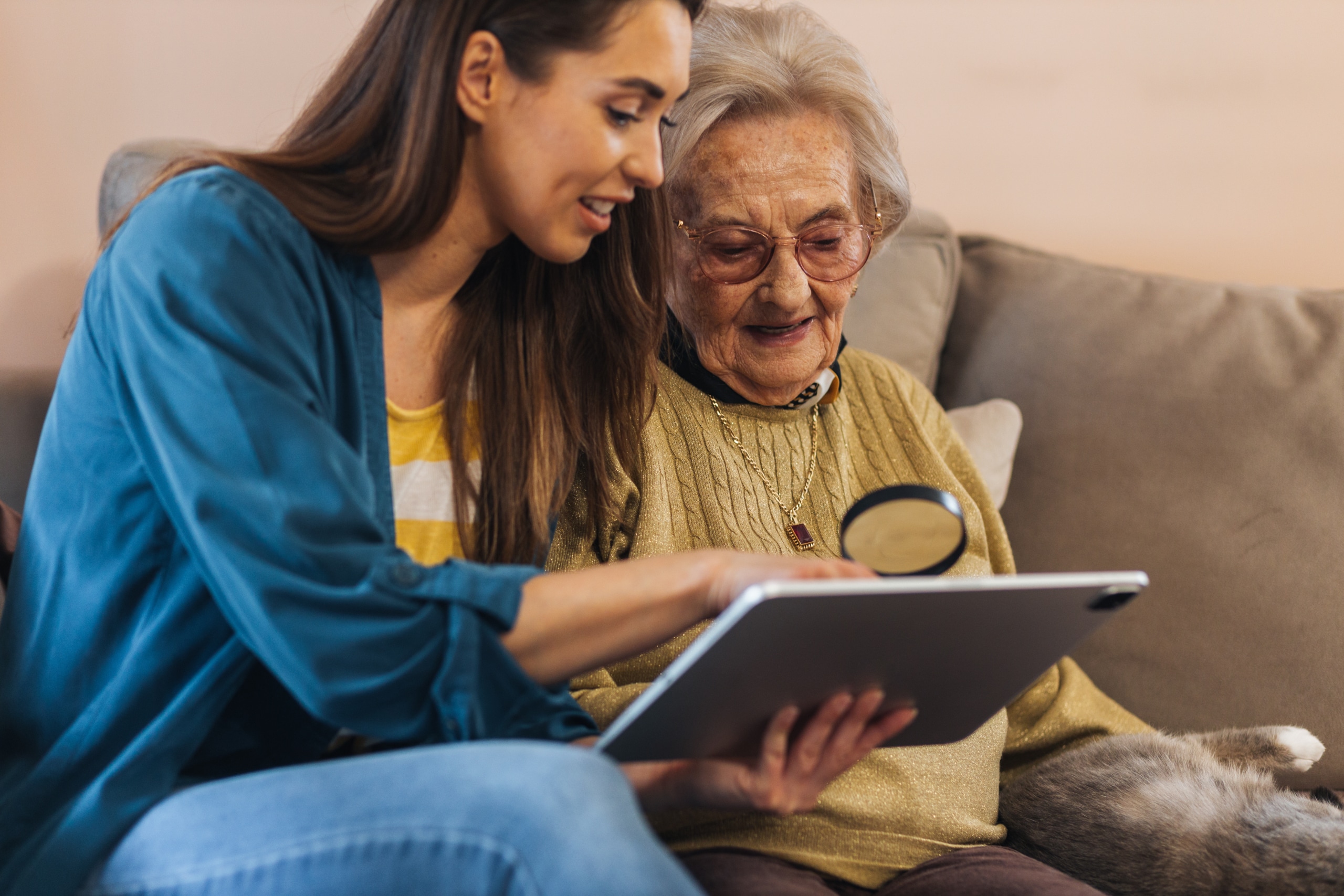
Transitioning to virtual care requires minimal equipment but a strategic approach. To ensure a seamless experience, patients should utilize a device equipped with a camera, a microphone, and a stable internet connection. This includes smartphones, tablets, laptops, or desktop computers.
Preparation Checklist:
- Test Your Tech: Always log in 10 minutes early. Ensure your camera is at eye level and your audio is clear.
- Environment Matters: Choose a quiet, well-lit room. Having a notepad and pen ready to jot down doctor’s instructions is as important in a virtual setting as it is in an office.
- Have Documentation Ready: Keep your medication list, current symptoms, and insurance card within reach.
When to Use Telehealth vs. When to Seek Emergency Care
Understanding the distinction between a routine virtual visit and an emergency is critical.
| Use Telehealth For | Go to the Hospital/Call 911 For |
|---|---|
| Cold, flu, or allergy symptoms | Chest pain or difficulty breathing |
| Skin rashes or minor infections | Signs of stroke (facial drooping, confusion) |
| Medication questions or refills | Severe abdominal pain or uncontrolled bleeding |
| Mental health check-ins | High fever (above 104°F) |
| Chronic condition follow-ups | Serious injury, broken bones, or head trauma |
| Mild urinary symptoms | Sudden loss or blurring of vision/hearing |
Official Perspectives and Safety Protocols
Katrin Werner-Perez, Director of Health Programs for the Alliance, emphasizes that while the technology is powerful, the patient must remain the guardian of their own data. "The rise of telehealth has unfortunately invited bad actors," Werner-Perez notes. "We urge patients to use only portals endorsed by their existing healthcare providers. If an advertisement pops up offering a ‘quick’ medical consult, it is often a precursor to a data breach or financial scam."
Protecting Yourself from Scams:
- Verify the Source: Only access telehealth through official patient portals provided by your primary care physician or hospital system.
- Check Insurance Benefits: Call the number on the back of your insurance card. Your insurer can provide a list of approved telehealth platforms that are both secure and covered under your plan.
- Data Privacy: Never share credit card information or social security numbers on an unverified website. A legitimate provider will already have your billing information on file.
Implications for the Future of Healthcare
The long-term implications of this digital shift are transformative. We are moving toward a model of "Hospital-at-Home" care, where remote monitoring devices (such as smart scales, blood glucose monitors, and wearable cardiac sensors) feed real-time data directly to a patient’s medical chart.
This shift empowers older adults to maintain their independence, aging in place in their own homes rather than transitioning to assisted living facilities prematurely. Furthermore, it creates a more sustainable healthcare system. By triaging patients effectively through virtual visits, emergency departments can focus their resources on the most acute cases, reducing wait times and improving outcomes across the board.
As we look toward the future, the goal is "universal access." This involves addressing the "digital divide"—ensuring that older adults, regardless of their socioeconomic status or familiarity with technology, have the support and training needed to utilize these tools. Libraries, community centers, and local health agencies are beginning to provide digital literacy training, a crucial step in ensuring that no one is left behind in the digital health revolution.
In conclusion, telehealth is not merely a technological trend; it is an essential component of 21st-century medicine. By embracing these tools with caution, preparation, and support, older adults can take charge of their health, minimize the burdens of traditional medical care, and enjoy a higher quality of life. For those interested in further resources, the Alliance for Aging Research remains a premier source for guidance on navigating the modern healthcare journey.