











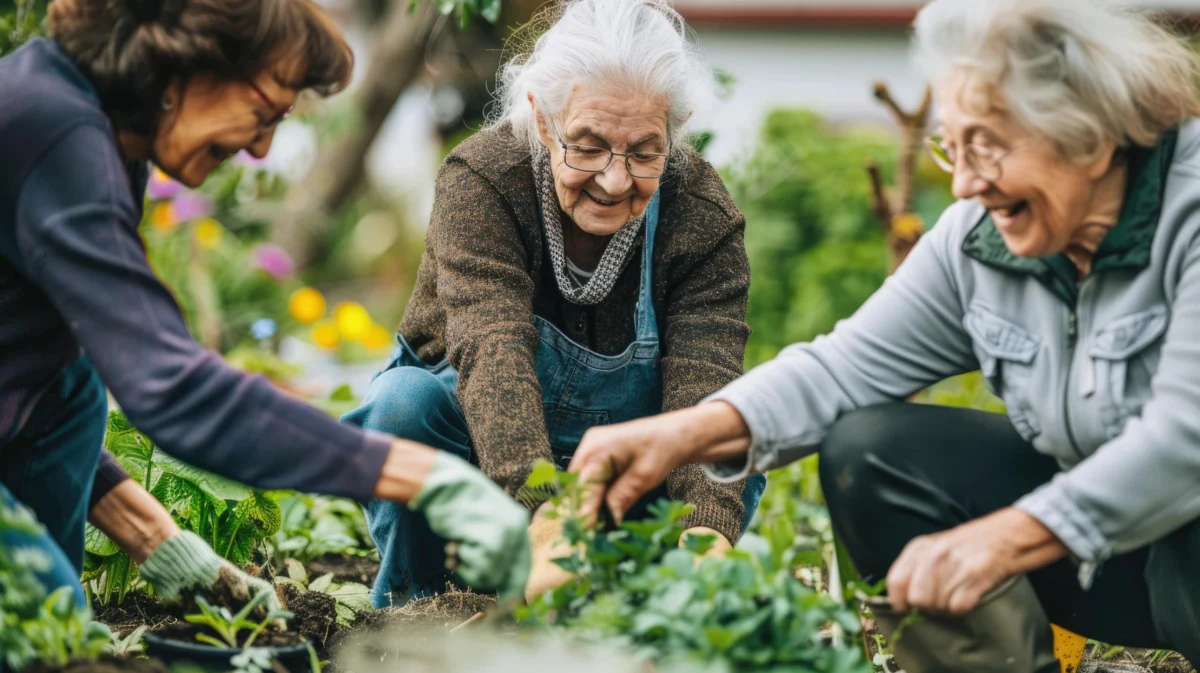
The nostalgia of elementary school Earth Day—planting saplings, collecting litter, and learning the ABCs of photosynthesis—is often dismissed as a childhood rite of passage. However, as the global population ages, researchers and health professionals are discovering that the instinct to engage with the natural world is not just a nostalgic pastime; it is a fundamental pillar of physiological and psychological well-being for older adults.
Recent clinical evidence suggests that the "superhero" feeling we experienced as children when planting a seed is, in fact, a potent therapeutic intervention. From reducing cortisol levels to improving fine motor skills, gardening is emerging as a critical tool in the arsenal of healthy aging.
The Science of Growth: Key Findings from the American Journal of Occupational Therapy
At the heart of this shift in perspective is a compelling study published in the American Journal of Occupational Therapy (AJOT). The research, which focused on the impact of communal horticulture, found that gardening acts as a profound "avenue for hope and self-fulfillment" for adults residing in supported living environments.
The study utilized a case-series methodology, monitoring four residents at a transitional housing facility over a five-week period. By integrating a structured gardening group therapy program, researchers assessed the preliminary and conclusive effects on participants’ mental health and overall life satisfaction. The findings were unambiguous: engagement with the soil and plant life resulted in measurable improvements in social participation, emotional regulation, and perceived quality of life.
The Mechanism of Change
How does a trowel and a patch of soil translate into improved health? Researchers point to a multi-modal benefit:
- Cognitive Stimulation: The intellectual engagement required to plan a garden, identify plant species, and understand growth cycles provides a low-stress, high-reward cognitive workout.
- Psychosocial Connectivity: Gardening in a group setting dismantles the barriers of isolation often faced by seniors, fostering communal identity and shared purpose.
- Biological Regulation: Regular exposure to sunlight facilitates Vitamin D synthesis, while the sensory experience of working with soil has been linked to lower levels of stress-related hormones.
A Chronology of Discovery: From Hobby to Clinical Intervention
The recognition of gardening as a therapeutic tool did not happen overnight. It is the result of a long-standing evolution in the field of occupational therapy (OT).
Phase 1: The Historical Context
For decades, occupational therapy has focused on the "occupations" of daily life—the meaningful activities that keep us functional. Early in the 20th century, gardening was used primarily in veterans’ hospitals to aid in the rehabilitation of soldiers returning from conflict. It was seen as a way to restore both physical dexterity and a sense of normalcy.
Phase 2: The Shift Toward Proactive Health
In the late 1990s and early 2000s, the focus shifted from acute rehabilitation to long-term "healthy aging." Researchers began to ask how activities like gardening could prevent decline rather than just treat it. This led to the rise of "Horticultural Therapy" (HT) as a formal sub-discipline.
Phase 3: The Current Data-Driven Era
The recent AJOT study represents the current frontier: using rigorous data collection to quantify the subjective experience of "hope" and "purpose." By monitoring residents over a 5-week trajectory, the study provided a blueprint for how transitional and assisted living facilities can implement low-cost, high-impact programs that do not rely on pharmaceutical intervention to improve patient mood.
Supporting Data: Why Nature Matters
The physical and mental health benefits of gardening are supported by a broader landscape of gerontological research.
Fine Motor Skills and Dexterity
One of the most insidious aspects of aging is the gradual decline in fine motor control, often exacerbated by arthritis or sedentary lifestyles. Gardening provides "sneaky" exercise. The act of gripping a trowel, pinching small seeds to plant them in trays, and pruning delicate stems requires precise muscle control. These movements provide resistance training for the small muscles of the hands and wrists, helping to maintain dexterity that is essential for other activities of daily living (ADLs), such as buttoning shirts or using utensils.
The Nutritional Win-Win
Beyond the therapeutic act of planting, the end product—fresh, nutrient-dense produce—offers a significant advantage. The study notes that consuming food grown without industrial preservatives or excessive transit time provides a significant boost to the immune system. For seniors, whose dietary needs often require increased fiber and micronutrients, the accessibility of a garden-to-table model is an objective health gain.
Occupational Therapy Month: A Time for Reflection
April is designated as Occupational Therapy Month. It serves as a crucial reminder that the "occupations" of our lives—our habits, our chores, and our hobbies—are the building blocks of our health. Occupational therapists are not merely focused on recovering from injury; they are architects of longevity. By prescribing activities like gardening, they help seniors reclaim their agency.
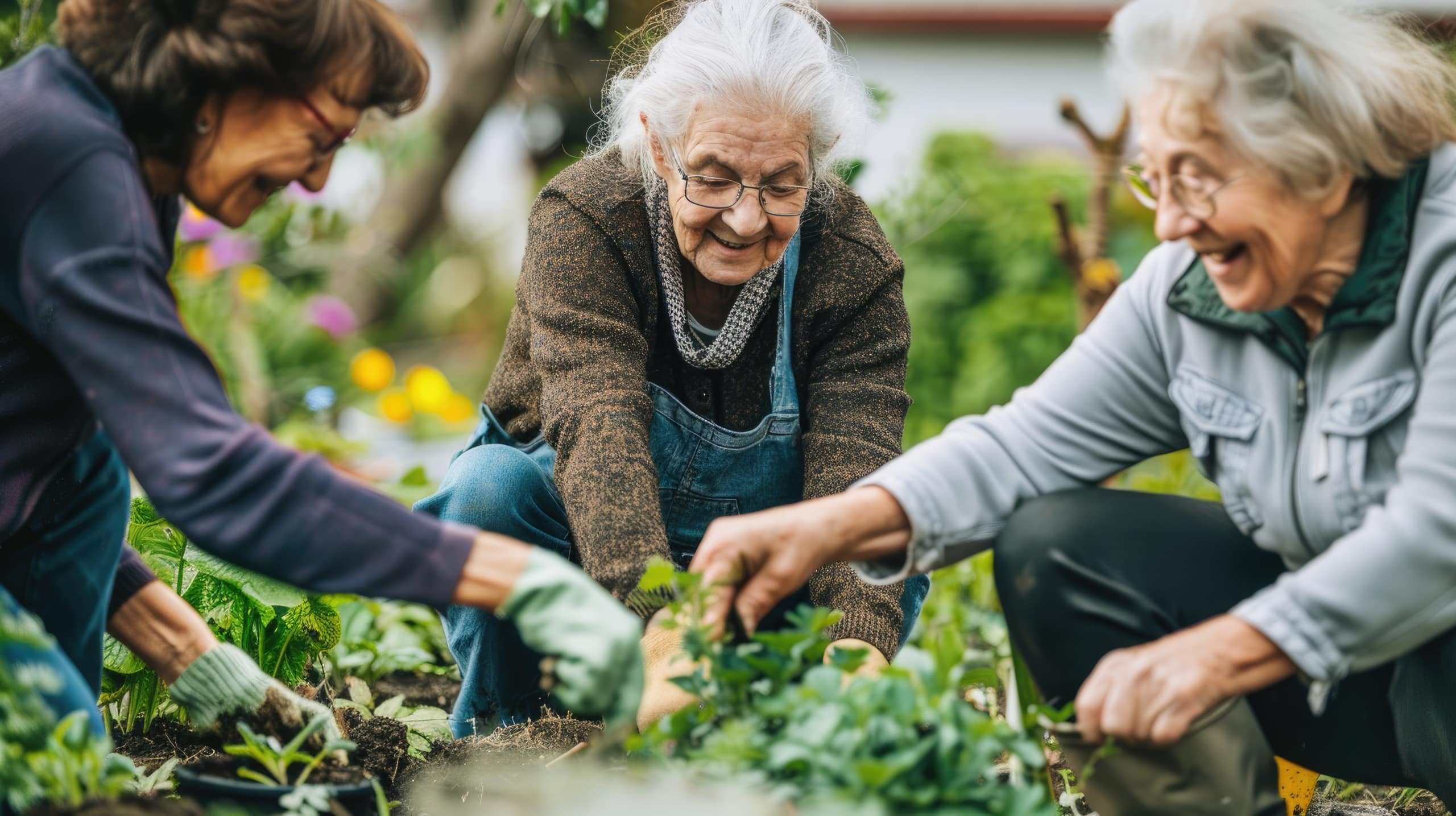
Official Responses: Integrating Nature into Care Standards
Public health institutions are increasingly endorsing nature-based interventions. The National Institute on Aging (NIA) has consistently updated its guidance to reflect the importance of safe, outdoor, and low-impact activity.
In response to the growing body of evidence, organizations such as the Alliance for Aging Research have advocated for policies that prioritize green space in residential care design. Experts emphasize that the "built environment" of a nursing facility should not be limited to indoor hallways and activity rooms.
"The architectural inclusion of raised garden beds is not merely an aesthetic choice," says a spokesperson for the Alliance. "It is a health-care infrastructure investment. When we design environments that encourage seniors to touch the earth, we are lowering the burden of depression and sedentary disease within those communities."
Implications for the Future of Aging
As we look toward the future, the implications of this research are twofold: individual and systemic.
For the Individual
The message is clear: You do not need a sprawling farm to reap the rewards of gardening. Even a single windowsill herb garden or a small container of marigolds can provide the psychological benefits of nurturing a living thing. The key is consistency and the intention behind the activity. For older adults, the goal is to view these activities as "purposeful work" rather than chores.
For Residential Facilities
The study serves as a call to action for administrators. The "5-week gardening group therapy" model is highly scalable. It requires minimal investment in tools and soil, yet it produces significant improvements in resident satisfaction. Facilities that fail to incorporate these nature-based therapies are missing a low-cost opportunity to improve their quality-of-care metrics.
Broader Societal Impact
Finally, there is a societal implication. By encouraging older adults to engage in outdoor activities, we are integrating them back into the community fabric. Gardening clubs often become bridges between generations, allowing seniors to share knowledge with younger neighbors, thereby fostering a sense of intergenerational solidarity that is vital for social health.
Conclusion: Stepping Outside This Spring
As Earth Day approaches on April 22, the invitation is open to everyone, regardless of age. For older adults, this is an invitation to reclaim a piece of the world. Whether it is pulling a stubborn weed, snipping fresh basil for dinner, or simply sitting in a chair surrounded by flowering pots, the benefits are rooted in the biology of our connection to the planet.
As you plan your spring activities, consider the wisdom of the garden. It is a space where patience is rewarded, where growth is measured in small, daily increments, and where every act of care—be it watering a plant or tending to one’s own health—is a victory.
For those looking to get started, remember to prioritize safety. The National Institute on Aging provides excellent resources on how to navigate outdoor recreation with care, ensuring that your time in the sun is both productive and protected.
This April, don’t just watch the season change from behind a window. Step outside, put your hands in the dirt, and grow a little bit of vitality for yourself.
Katie Riley serves as Vice President of Communications for the Alliance for Aging Research, advocating for science-based solutions that improve the lives of older adults.