








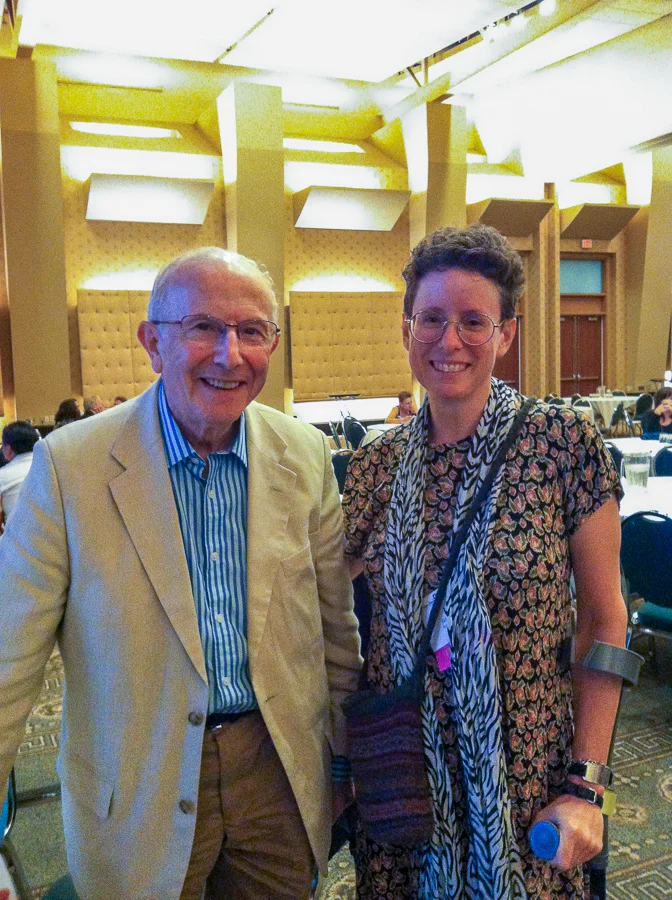
On March 29, 2026, the global medical community and the millions of individuals living with Ehlers-Danlos Syndrome (EDS) and Hypermobility Spectrum Disorders (HSD) lost a monumental figure. Professor Rodney Grahame, a distinguished UK rheumatologist and a pioneering voice in the understanding of connective tissue disorders, passed away, leaving behind a legacy that transformed the lives of countless patients who had long been dismissed by the mainstream medical establishment.
Dr. Grahame was not merely a clinician; he was a revolutionary who recognized the systemic nature of hypermobility at a time when the medical world viewed it as a benign curiosity. His career, spanning over half a century, was defined by an unwavering commitment to listening to patients—a practice that provided medical validation to those suffering from the invisible, often debilitating, symptoms of EDS.
A Pioneer’s Chronology: From Skepticism to Recognition
The trajectory of Dr. Grahame’s career reflects the evolution of our understanding of connective tissue. In the early 1970s, when the medical community largely ignored joint laxity, Grahame began publishing research that hinted at the complex reality of hypermobility.
- 1971: Grahame publishes early research linking joint hypermobility to systemic symptoms, challenging the prevailing notion that "being bendy" was harmless.
- 1983: He co-authors the seminal text Hypermobility of Joints alongside Drs. Peter Beighton and Howard Bird. This work became the foundational clinical reference for generations of rheumatologists.
- 1998: In recognition of his profound contributions to the care of disabled people, Dr. Grahame is appointed Commander of the Order of the British Empire (CBE).
- 2008: Grahame collaborates on landmark research identifying the genetic basis of hypermobility syndromes, a pivotal moment that shifted the conversation from symptomatic management to biological causation.
- 2010: He releases Hypermobility, Fibromyalgia and Chronic Pain, further bridging the gap between rheumatology and pain management.
- 2017: His lifelong advocacy culminates in the medical community’s formal adoption of the hypermobile EDS (hEDS) classification and the distinction of Hypermobility Spectrum Disorders (HSD).
- 2026: Dr. Grahame passes away, leaving a global community that is vastly more informed, recognized, and supported than the one he encountered in the early 1970s.
The Human Element: Clinician as Advocate
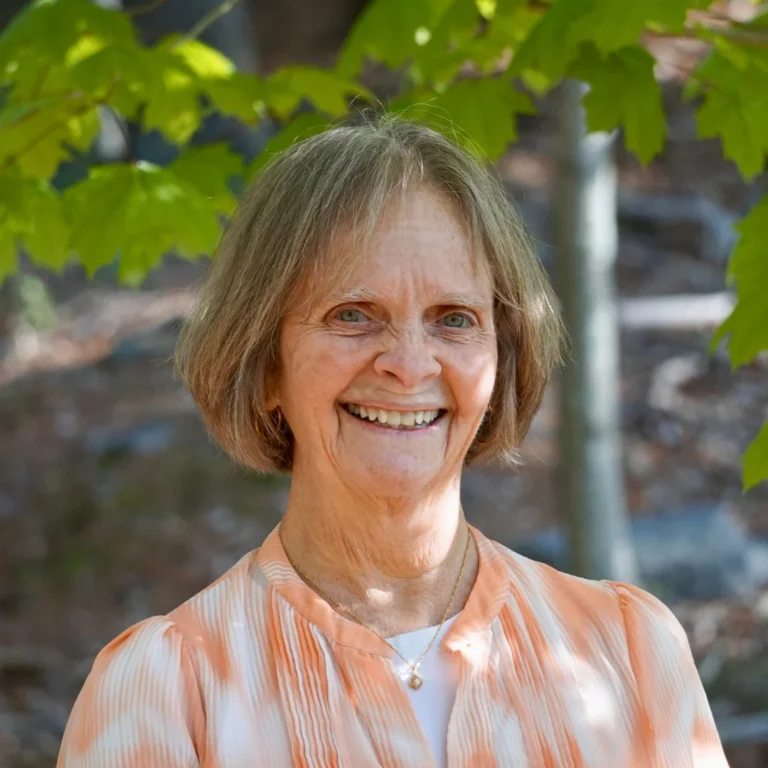
For many, Dr. Grahame was the first doctor to offer a name to their suffering. Jan Groh, a long-time advocate and media manager for Chronic Pain Partners, recalls her own diagnostic odyssey—a journey shared by thousands of others.
"I was first tipped off to the world of hypermobility at age 40 by my massage therapist," Groh writes. "Upon Googling the term, I stumbled on an article by Dr. Grahame. It introduced me to the possibility that I wasn’t ‘just bendy.’ While it took years to secure a formal diagnosis, his words provided the initial map I needed to navigate my own health."
Dr. Grahame’s clinical philosophy was grounded in radical empathy. In an era where information was scarce and diagnostic criteria were virtually non-existent, he provided what many patients described as the "most important medicine of all": validation. He treated his patients as partners in care, listening to their experiences of chronic pain, autonomic dysfunction, and easy injury, and elevating those anecdotal reports into serious clinical inquiries.
The Scope of Impact: Transforming Clinical Standards
Dr. Grahame’s influence was not limited to the examination room. He was a prolific researcher and an educator who mentored countless medical professionals. His books, including the updated 2012 edition of Hypermobility of Joints, remain essential reading for practitioners.
The "Neglected Condition"
Perhaps his most famous contribution to the discourse was his blunt assessment at the 2014 Ehlers-Danlos National Foundation (EDNF) Conference. Remarking on the systemic failure to support patients, he famously stated, "No other condition in the history of modern medicine has been neglected in such a way as Ehlers-Danlos syndrome."
This quote became a rallying cry for the EDS community. It was not just a complaint; it was a call to action. By framing the lack of care as a "neglect" by modern medicine, Grahame empowered patients to advocate for themselves and compelled the medical establishment to acknowledge that the gaps in EDS care were not due to a lack of prevalence, but a lack of priority.
Scientific Contributions
Dr. Grahame was instrumental in transitioning the medical field away from the outdated "Joint Hypermobility Syndrome" label. By spearheading the push for precise terminology—specifically the distinction between hEDS and HSD—he ensured that researchers could better study the underlying genetic mechanisms while ensuring that patients who did not meet strict genetic criteria were still recognized as having legitimate, symptomatic health needs.
Official Responses and Professional Legacy
The Ehlers-Danlos Society and other international advocacy groups have issued statements mourning the loss of a "giant in the field." The 2018 tribute video, marking his 50th anniversary as an NHS doctor, captured the sentiment shared by the medical community: that Dr. Grahame was the moral compass of the rheumatology field regarding hypermobility.
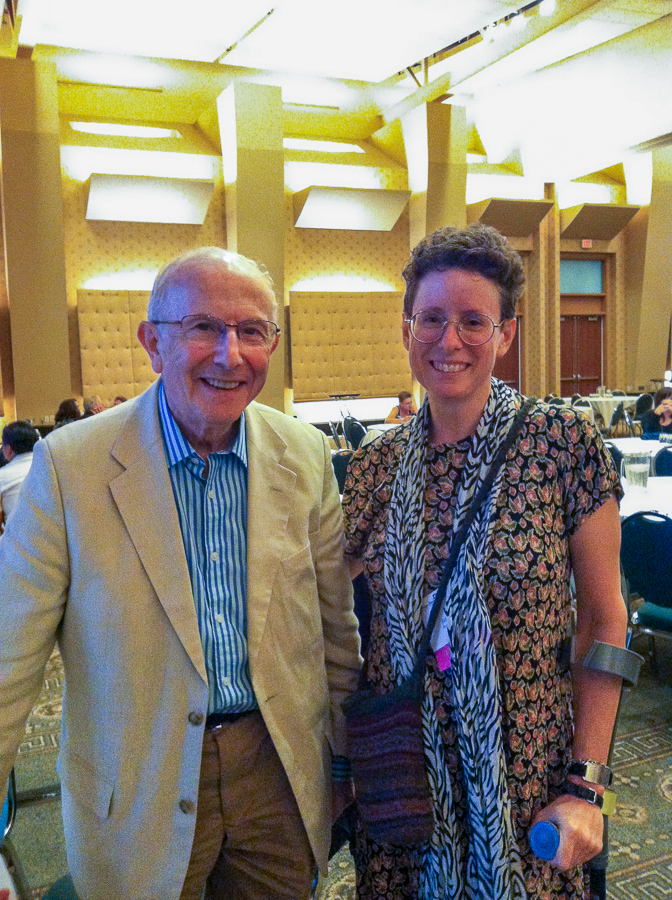
His work with the Hypermobility Syndromes Association (HMSA) as a long-standing advisor ensured that his clinical knowledge was always translated into patient-facing resources. He believed that knowledge was the primary tool for liberation, which is why he spent so much time speaking at patient conferences, standing alongside leaders like the late John Ferman to ensure that the voice of the patient was as loud as the voice of the researcher.
Implications for the Future of EDS Care
The passing of Dr. Rodney Grahame serves as a poignant reminder of how much work remains to be done. While he successfully moved the needle from "total neglect" to "growing recognition," his absence leaves a vacuum that the next generation of rheumatologists must fill.
The Path Forward
- Continued Education: As Dr. Grahame noted, the history of EDS is one of neglect. Ongoing training for general practitioners—such as the work involved in the EDS GP Toolkit—remains vital to ensuring early diagnosis.
- Genetic Research: Building upon the 2008 and 2017 milestones he supported, the next frontier remains the discovery of the specific genes associated with hEDS, a goal he consistently advocated for throughout his twilight years.
- Holistic Care Models: Dr. Grahame proved that pain management, physical therapy, and psychological support are not peripheral to EDS care; they are central. Future clinical standards must continue to adopt this multi-disciplinary approach.
A Final Note of Gratitude
Dr. Rodney Grahame’s life was an exercise in persistence. He saw a community in the shadows and spent his life bringing it into the light. He transformed the concept of "bendy" joints into a recognized medical discipline, providing a roadmap for clinicians and a lifeline for patients.
As we look to the future of EDS care, his legacy is not found in a textbook or a journal article alone; it is found in the thousands of patients who now receive a diagnosis, the doctors who now look for the signs of hypermobility, and the community that stands stronger because of his dedication.
We are, as he would have hoped, moving past the era of neglect. We are, thanks to him, finally paying attention.
Jan Groh, author of the blog OhTWIST and co-author of the EDS GP Toolkit, contributed to this memorial reflection. For more information on the life and work of Dr. Rodney Grahame, visit the official archives of The Ehlers-Danlos Society.