By Editorial Staff
For many, the transition into the “empty nest” phase of life is envisioned as a passport to freedom. After decades of raising children, the promise of retirement often centers on a singular, romanticized goal: travel. Whether it is a cross-country odyssey across the United States or an ambitious tour of international landmarks, these dreams serve as the ultimate reward for a lifetime of labor.
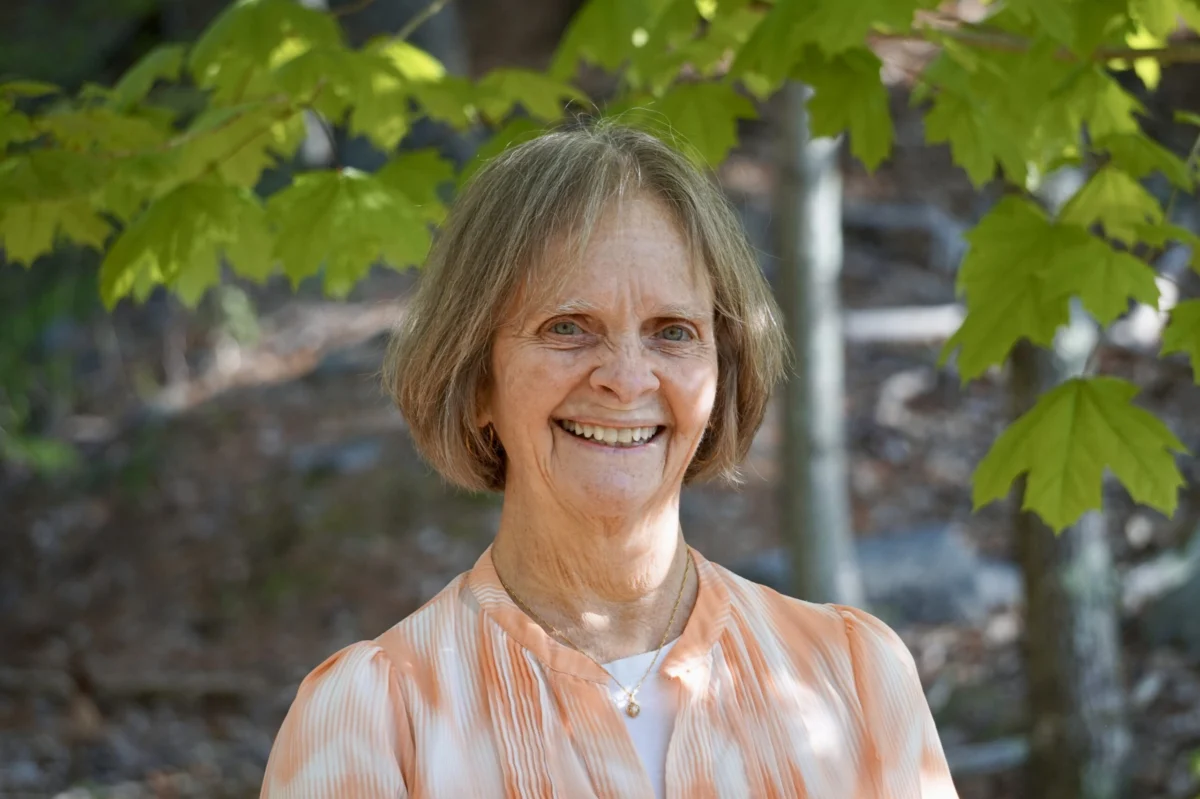
However, life rarely follows a linear trajectory. For Ellen Lenox Smith and her husband, the retirement years—intended to be spent traversing continents—were instead met with the sudden, uncompromising onset of debilitating health challenges. Their story is not merely one of loss, but a profound masterclass in resilience, offering a blueprint for how individuals can navigate the psychological landscape of chronic illness while maintaining a sense of curiosity and connection to a world they can no longer physically traverse.
The Chronology of an Unintended Journey
The narrative of the Smith family’s transition from potential globetrotters to patients began in the quiet years following the maturation of their four sons. With the house finally empty, the couple began drafting itineraries. They had the map, the time, and the intent. But the biological reality proved to be a formidable adversary.
The Onset of Ehlers-Danlos Syndrome
At age 54, Smith began experiencing a cascade of health issues that defied simple diagnosis. After extensive medical investigation, she was diagnosed with Ehlers-Danlos syndrome (EDS), a group of genetic connective tissue disorders. For Smith, the diagnosis was the beginning of a grueling clinical odyssey: 28 corrective surgeries, a four-year tenure in a wheelchair, and a continuous, daily battle to manage the progression of the disease.
The Parallel Diagnosis
As if the weight of one chronic condition were not enough, the family faced a second blow four years ago. Smith’s husband, her partner in the intended travels, began exhibiting symptoms that eventually culminated in a diagnosis of Parkinson’s disease. A progressive neurological disorder, Parkinson’s brought its own set of daily hurdles, transforming their home from a staging ground for travel into a center for medical maintenance and physical therapy.
“We had never thought about having to add medical conditions to our lives,” Smith reflects. “But here we were. Those dreams we’d always had of traveling became complicated—and, eventually, just not a reality.”
The Clinical and Psychological Landscape of Chronic Loss
To understand the magnitude of this shift, one must look at the intersection of medical pathology and psychological grief. Chronic, progressive illness does not merely impact the body; it impacts the identity of the individual.
The Psychology of Mourning the “Self”
When a person is diagnosed with a condition like EDS or Parkinson’s, the sense of loss is multi-faceted. There is the loss of physical autonomy, the loss of future plans, and the loss of the ability to engage in activities once considered mundane. Psychologists often term this “ambiguous loss” or “chronic sorrow”—a state where the grieving process is interrupted because the loss is not a singular event, but an ongoing experience.
For the Smiths, the challenge was twofold: deciding whether to succumb to the bitterness of being “cheated” by fate or to find a way to pivot. As Smith notes, “It is not easy to watch others participate in simple activities in life that you once took for granted, but are no longer within your reach. But you also have to decide: Will you spend the rest of your life angry, hurt, frustrated, and feeling you were cheated?”
Supporting Data: The Burden of Chronic Illness in the U.S.
The experience of the Smith family is reflective of a broader, systemic reality in the United States. According to the Centers for Disease Control and Prevention (CDC), six in ten American adults live with at least one chronic disease, and four in ten live with two or more.
The Impact on Mobility
Travel is one of the most significant casualties of chronic illness. Research from the AARP and various disability advocacy groups highlights that accessibility remains the primary barrier for the aging population. While the Americans with Disabilities Act (ADA) has made significant strides in public infrastructure, the physical stamina required for international travel—navigating airports, long-haul flights, and non-ADA-compliant historical sites—often makes such journeys impossible for those with progressive neurological or connective tissue disorders.
The Digital Pivot
The Smiths’ solution—viewing the world through the eyes of others—is supported by a growing trend in “vicarious travel.” With the rise of high-definition digital media, social media, and immersive storytelling, the accessibility of remote experiences has expanded. For those housebound by illness, the internet has become a vital lifeline, transforming from a simple tool for communication into a vehicle for intellectual and emotional exploration.
Official Perspectives: The Value of Reframing
Medical professionals and mental health advocates emphasize that the “lemonade” approach suggested by Smith is a recognized form of cognitive restructuring. By shifting focus from what is lost to what can be gained through alternative methods, patients can mitigate the impact of depression and anxiety, which are common co-morbidities of chronic pain and degenerative diseases.
Resilience as a Clinical Tool
Experts in chronic pain management often encourage patients to engage in “meaning-making.” When a patient is stripped of their primary identity (e.g., “the world traveler”), they must construct a new identity that accommodates their limitations without sacrificing their intrinsic values. For Smith, this meant shifting from being a traveler to being an “explorer of perspectives.”
Implications: A New Way to Participate in the World
The implications of the Smith family’s journey extend far beyond their personal story. They offer a template for anyone dealing with the sudden contraction of their world.
The Power of Social Connection
By inviting friends and family to share their travel experiences, Smith does not simply receive photos; she fosters deep, meaningful connections. When her sister returned from an excursion to Antarctica, the dialogue was not just about the landscape; it was an act of communal storytelling. By “tagging along” through stories and photographs, Smith reclaimed her role as a participant in the lives of her loved ones.
Redefining Identity
The most vital takeaway from this journey is the necessity of identity preservation. A person’s worth is not defined by their mobility, their ability to board a plane, or the state of their health. It is defined by their capacity for curiosity, their ability to empathize with others, and their resilience in the face of insurmountable odds.
“Try to make the lemon into lemonade, as the old saying goes,” Smith writes. “Show others that despite your challenges in life, you can live, breathe, and travel in your own way! This may be one way to help you be identified not by your condition, but instead as you—the person you are.”
Conclusion: The Horizon Remains
The story of Ellen Lenox Smith is a testament to the fact that while the physical body may have boundaries, the human spirit is inherently limitless. By adapting to the constraints of Ehlers-Danlos and Parkinson’s, the Smiths have not stopped traveling; they have simply changed their mode of transport.
For the millions of Americans navigating their own “unexpected journeys,” the lesson is clear: loss does not signify the end of the narrative. It simply requires a new itinerary. By looking through the eyes of others, finding beauty in the stories of the world, and refusing to let a diagnosis dictate the boundaries of one’s personality, it is possible to continue exploring—even if the journey is from the comfort of home.
As Smith concludes, her message is one of grace and persistence. In a world that often prioritizes physical achievement, her journey reminds us that the most significant travels are often the ones that occur within the resilient, expansive space of the human heart.