











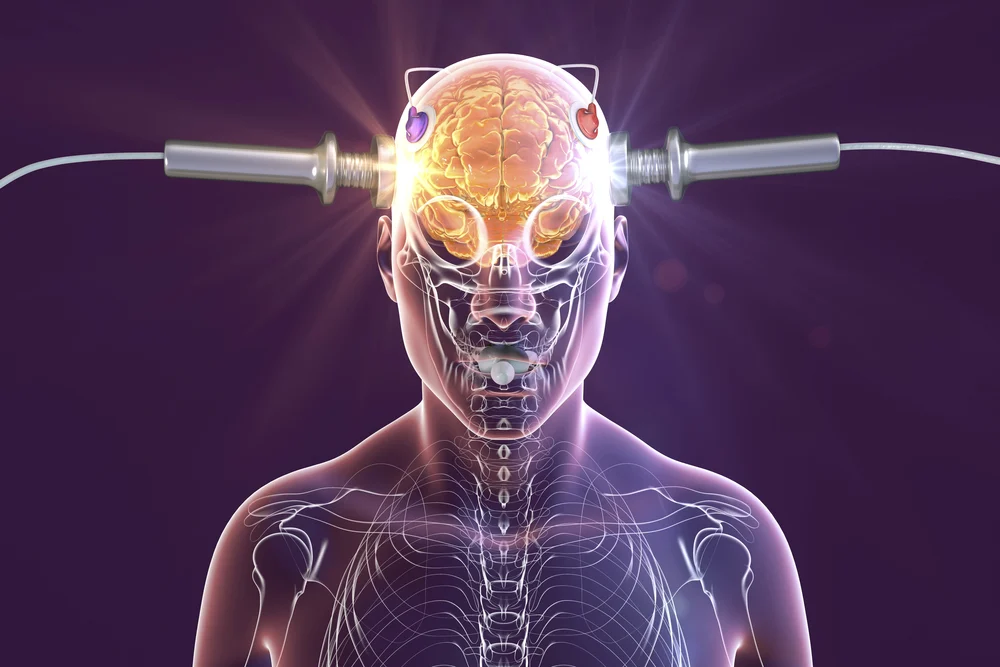
The medical community has long regarded Electroconvulsive Therapy (ECT) as a "gold standard" intervention for treatment-resistant depression and acute suicidality. However, a landmark international study published in Psychology and Psychotherapy: Theory, Research, and Practice is challenging this clinical consensus by shifting the lens from the psychiatrist’s office to the living rooms of those who witness the aftermath.
Led by independent scholar Christopher Harrop and Dr. John Read of the University of East London, the research reveals a harrowing disconnect between clinical expectations and the lived reality of families. The study finds that a significant majority of relatives and friends believe ECT not only fails to deliver its promised benefits but frequently results in a permanent diminishment of the recipient’s quality of life, identity, and cognitive function.
Main Facts: A Crisis of Efficacy and Ethics
The core of the controversy lies in the disparity between "clinical improvement" as measured by doctors and "functional recovery" as observed by loved ones. The study, which analyzed responses from 286 participants across more than 20 countries, paints a portrait of a treatment that often leaves recipients more damaged than the illnesses it seeks to cure.
Key Findings at a Glance:
- Diminished Quality of Life: 61% of respondents reported that ECT had a negative impact on their loved one’s overall quality of life. Only 32.3% saw an improvement.
- Efficacy Deficit: 54.9% of participants reported that the symptoms ECT was intended to treat either remained unchanged or worsened following the procedure.
- Widespread Harm: A staggering 80.9% of friends and family members believe the treatment was harmful to some degree, with 53.4% describing the harm as "very" significant.
- Cognitive Erosion: Memory loss was a near-universal observation, with 73.3% reporting that their loved ones struggled to remember life events that occurred prior to the treatment.
- The Consent Gap: More than half (53%) of the cases involved some form of coercion, with patients either being pressured into "voluntary" consent or subjected to involuntary treatment.
The authors note that while a minority of families (roughly 21%) viewed the treatment as "very helpful," describing it as a life-saving intervention that "brought the person back," these voices were outnumbered three-to-one by those reporting catastrophic outcomes.
Chronology: The Evolution of a Controversial Practice
To understand the weight of these findings, one must look at the trajectory of ECT from its inception in the 1930s to the present day. Originally developed as a radical intervention for schizophrenia, the procedure—which involves passing an electric current through the brain to induce a grand mal seizure—has undergone numerous technical "refinements," such as the introduction of general anesthesia and muscle relaxants.
Despite these changes, the fundamental mechanism remains poorly understood, and the 21st century has seen a resurgence of critical inquiry.
- The 2000s–2010s: Advocacy groups and survivors began organizing more effectively online, sharing accounts of "stolen memories" and cognitive disability.
- 2019–2023: Research led by Dr. John Read and others began to systematically review the existing literature, finding that many original trials for ECT lacked the rigor required for modern medical standards, often failing to use "sham" (placebo) controls effectively.
- 2024–2025: Studies began linking ECT to adverse physical outcomes beyond the brain, including heart problems and long-term changes in brain structure that correlate with worse clinical outcomes.
- The Current Study (2026): This latest research represents a pivotal shift by incorporating the "collateral" perspective—those who provide the long-term care for ECT recipients. It serves as a companion piece to a larger investigation that surveyed 858 ECT recipients, confirming that the reports of harm are not merely subjective complaints from patients, but are observable by those closest to them.
Supporting Data: The Human and Clinical Cost
The data provided by Harrop and his colleagues moves beyond simple statistics, offering a granular look at the specific ways ECT alters human lives. The survey utilized the Qualtrics tool to reach an international demographic, primarily in the US (37%) and UK (28%), but extending to nations as diverse as South Africa, Bulgaria, and Uruguay.
The Spectrum of Adverse Effects
Beyond the well-documented memory loss, the study identified 25 specific adverse effects reported by more than half of the participants. These include:
- Emotional Blunting: A loss of the ability to feel joy or deep emotion, often described as a "hollowing out" of the personality.
- Physical Impairment: 43.6% reported issues with balance and falling, while 35.4% observed their loved ones walking into objects. In extreme cases, participants reported recipients becoming wheelchair-bound or experiencing respiratory distress.
- Loss of Identity: One of the most poignant themes in the qualitative data was the "loss of the person." One participant described their mother—a radiant poet and scientist—becoming a "withdrawn, fearful, dependent person." Another spoke of a sister-in-law who could no longer walk, talk, or remember her own childhood, despite once being a brilliant and motivated individual.
The Question of Brain Damage
A significant portion of the survey (34.2%) reflected a belief among family members that ECT had caused permanent brain damage. While 47.7% were "unsure," only 18.1% were confident that no such damage had occurred. This perception is bolstered by recent neuroimaging studies that suggest ECT-induced brain changes may be associated with poorer long-term functional outcomes rather than recovery.
Official Responses and the "Clinical Justification"
While the Harrop study presents a stark indictment of ECT, the psychiatric establishment often defends the practice by citing its immediate efficacy in breaking severe catatonia or suicidal crises. However, the study’s participants often felt these justifications were used to bypass genuine informed consent.
The Ethics of "Restoring Capacity"
The study references a controversial clinical perspective where some psychiatrists advocate for the use of ECT to "restore decision-making capacity." The logic suggests that if a patient is too depressed to consent to treatment, ECT can "clear the fog," allowing them to then consent to further drugs or therapy. Critics, including the authors of this study, point out the paradox: obtaining "informed consent" during a period when research shows "new learning is impaired" and the patient is in a state of post-ictal confusion is ethically dubious at best.
Misinformation and the "Chemical Imbalance"
Many participants expressed anger toward the medical community, claiming they were misled about the procedure’s nature. Families reported being told the treatment was "safe and effective" and would correct a "chemical imbalance"—a theory that has been largely debunked by modern neuroscience. One participant noted, "I am very angry that I was misinformed and misled about the harm that ECT does… serious loss of faith in the medical community at large."
Implications: A Call for Systemic Reform
The findings of this study have profound implications for the future of psychiatric care and the legal rights of patients.
1. The Redefinition of Informed Consent
If 80.9% of observers report harm, the current consent forms—which often downplay memory loss as "temporary" or "minor"—are inadequate. There is a growing demand for "black box" warnings for ECT and a requirement that patients be told about the risk of permanent disability and identity loss.
2. Legal and Human Rights Concerns
With 21.3% of the reported cases being involuntary and another 31.7% given under pressure, ECT remains one of the few medical procedures where bodily autonomy is routinely overridden. The study highlights the "extraordinary legal powers" of psychiatrists, which many family members now view with fear and suspicion.
3. The Burden of Guilt on Caregivers
A unique contribution of this research is the documentation of the psychological toll on the families. Many respondents expressed profound guilt for not "fighting harder" to stop the treatment. This suggests that the harm of ECT ripples outward, creating a secondary trauma for the support systems that are essential for a patient’s genuine recovery.
4. Limitations and Future Research
The authors acknowledge the potential for recruitment bias, as the survey was shared via networks often critical of mainstream psychiatry. However, the sheer volume of responses and the consistency of the qualitative accounts—spanning decades and continents—suggest a systemic issue that cannot be dismissed as "anecdotal."
Conclusion
The Harrop and Read study serves as a sobering reminder that in the pursuit of clinical "results," the human being at the center of the treatment can sometimes be lost. When a majority of families describe a medical intervention as "crushing a beautiful flower," the medical community is forced to ask: at what cost does "improvement" come? As the debate over ECT continues, this research ensures that the voices of those who hold the hands of the recipients long after the machines are turned off will finally be heard.