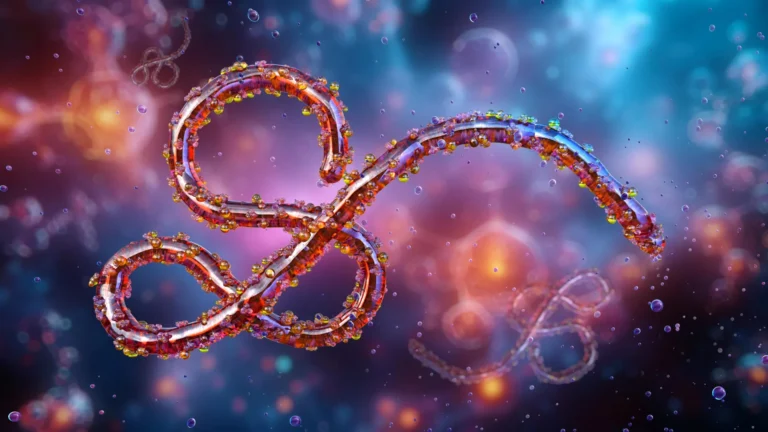








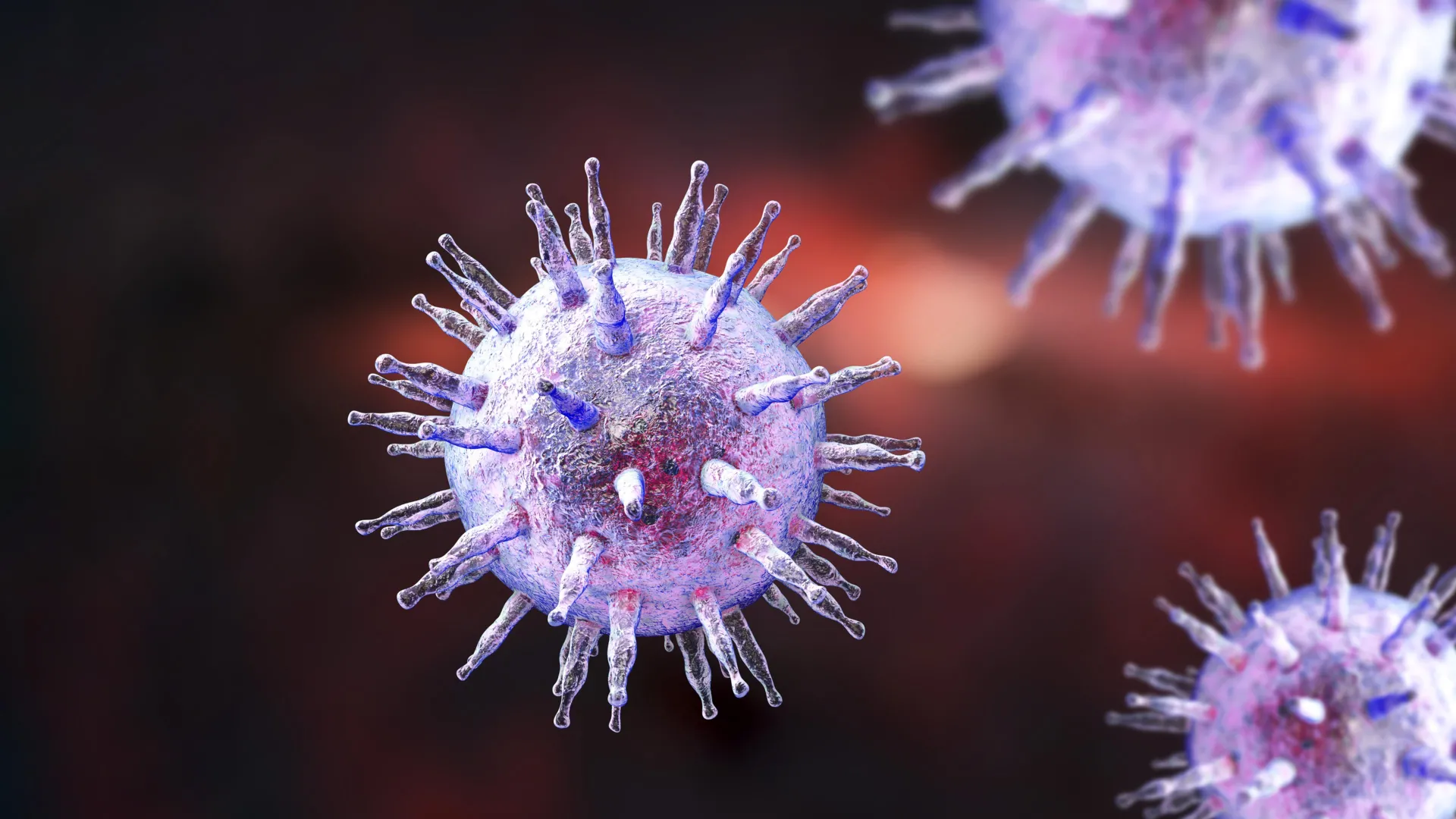
For decades, the Epstein-Barr virus (EBV) has been one of medicine’s most persistent, silent adversaries. Infecting an estimated 95% of the global population, this ubiquitous pathogen is more than just the culprit behind infectious mononucleosis; it is a complex biological architect linked to a spectrum of debilitating conditions, ranging from multiple sclerosis and various neurodegenerative disorders to specific, life-threatening cancers.
Now, a team of researchers at the Fred Hutchinson Cancer Center has announced a significant leap forward in the quest to neutralize this elusive virus. By leveraging sophisticated mouse models engineered to produce human antibodies, the team has successfully identified monoclonal antibodies capable of blocking EBV at its most vulnerable entry points. The findings, published recently in Cell Reports Medicine, provide a roadmap for a new generation of preventive therapies that could fundamentally alter the landscape of transplant medicine and beyond.
Main Facts: Decoding the Viral Mechanism
The fundamental challenge in combating EBV lies in its extraordinary biological tenacity. Unlike many viruses that target a specific subset of cells, EBV is an opportunistic master, capable of latching onto nearly every human B cell—the very cells meant to orchestrate the body’s immune response. This widespread infectivity has historically thwarted vaccine development and therapeutic intervention.
The Fred Hutch team, led by biochemist and cellular biologist Andrew McGuire, PhD, bypassed traditional obstacles by focusing on the mechanics of viral entry. EBV relies on two primary viral proteins to infiltrate human cells: gp350, which acts as a docking mechanism to attach the virus to the cell surface, and gp42, which facilitates the fusion and subsequent entry into the cell.
By utilizing mice with humanized immune systems, the researchers successfully generated and isolated ten distinct monoclonal antibodies—two targeting the gp350 docking protein and eight targeting the gp42 fusion protein. The results were striking: in controlled testing, one of the gp42-targeting antibodies achieved 100% efficacy in preventing EBV infection, while a gp350-targeting antibody provided significant partial protection.
Chronology: A Path to Discovery
The road to this discovery was paved by years of technological refinement and collaborative innovation. The project began with the recognition that previous attempts to isolate human antibodies against EBV were often stymied by the virus’s ability to evade the human immune system’s natural detection mechanisms.
- Technological Integration: Recognizing a knowledge gap, the McGuire Lab turned to specialized mouse models capable of mimicking the human antibody response. This allowed the researchers to observe how a humanized immune system would theoretically counter the virus in real-time.
- Target Identification: Over a rigorous research period, the team identified the specific structural weaknesses in the virus’s gp350 and gp42 proteins.
- Validation: With the support of the Fred Hutch Antibody Tech Core, the team performed structural and functional analysis to ensure these antibodies would not trigger an adverse immune reaction—a common complication when using non-human sourced antibodies in medical treatments.
- Proof of Concept: The final phase involved testing the antibodies in humanized mice, where the successful prevention of infection validated the laboratory findings as a viable pathway for clinical development.
Supporting Data: The Science of Neutralization
The data generated by the McGuire Lab offers more than just a potential drug candidate; it provides a blueprint for future vaccine architecture. By mapping the specific "weak points" on the surface of the EBV particle, the researchers have identified precise targets for potential vaccines that could teach the human immune system to produce these protective antibodies naturally.
The distinction between the two protein targets is critical. While gp350 is the virus’s "hook," it is highly variable. By targeting the fusion protein gp42, the researchers identified a more conserved, stable target that is less likely to mutate away from the therapy. This stability is the cornerstone of why the gp42-targeting antibodies proved so effective in the final testing phase, providing a high-confidence foundation for human clinical trials.
Official Responses: Perspectives from the Frontline
The research has garnered significant attention from the scientific community, not only for the results themselves but for the innovative methodology employed.
"Finding human antibodies that block Epstein Barr virus from infecting our immune cells has been particularly challenging because… EBV finds a way to bind to nearly every one of our B cells," explained Dr. Andrew McGuire. "We decided to use new technologies to try to fill this knowledge gap, and we ended up taking a critical step toward blocking one of the world’s most common viruses."
Crystal Chhan, a pathobiology PhD student in the McGuire Lab and a key contributor to the study, highlighted the broader implications of the work: "Not only did we identify important antibodies against Epstein Barr virus, but we also validated an innovative, new approach for discovering protective antibodies against other pathogens. As an early-career scientist, it was an exciting finding and has helped me appreciate how science often leads to unexpected discoveries."
The implications for clinical medicine are perhaps best articulated by Dr. Rachel Bender Ignacio, an associate professor and infectious disease physician at Fred Hutch and the University of Washington School of Medicine. She emphasizes that while the laboratory success is commendable, the real-world application is where the true potential lies. "Preventing EBV viremia has strong potential to reduce the incidence of PTLD [Post-transplant lymphoproliferative disorders] and limit the need to reduce immunosuppression," Dr. Bender Ignacio noted.
Implications: A New Era for Transplant Patients
The most immediate and profound impact of this research will likely be felt in the field of transplant medicine. Every year, over 128,000 patients in the United States undergo solid organ or bone marrow transplants. To prevent organ rejection, these patients must take powerful immunosuppressive drugs. This necessary treatment creates a dangerous trade-off: it weakens the body’s ability to keep latent viruses, like EBV, in check.
When EBV reactivates in an immunocompromised transplant patient, it can lead to Post-transplant lymphoproliferative disorders (PTLD)—a category of aggressive, often lethal, lymphomas. Currently, there is no targeted, prophylactic therapy to prevent this.
For the thousands of children who receive transplants—many of whom have never been exposed to EBV and are therefore at extreme risk upon receiving an organ from an EBV-positive donor—this therapy could be life-saving. By providing a passive, antibody-based infusion, doctors could potentially "bridge" the patient through the most vulnerable post-transplant period, preventing the virus from gaining a foothold.
The Road Ahead: From Lab Bench to Bedside
The momentum behind this discovery is palpable, but the path to clinical use remains deliberate and structured. Fred Hutch has already filed intellectual property claims, signaling a strategic intent to translate this discovery into a commercialized therapy.
Dr. McGuire and his team are currently engaged in active collaborations with industry partners to refine the antibody production process and prepare for the next critical steps:
- Safety Testing: Rigorous evaluation of the antibodies in healthy human volunteers to ensure the treatment is well-tolerated.
- Clinical Efficacy Trials: Focused studies on high-risk transplant populations to demonstrate that the treatment effectively prevents PTLD and other EBV-related complications.
"There’s momentum to advance our discovery to a therapy that would make a huge difference for patients undergoing transplant," Dr. McGuire concluded. "After many years of searching for a viable way to protect against Epstein Barr virus, this is a significant stride for the scientific community and the people at the highest risk of complications from this virus."
As the research moves toward these clinical milestones, it represents a beacon of hope for millions. By peeling back the layers of EBV’s complex defense mechanisms, the team at Fred Hutch has not only potentially unlocked a cure for a specific, dangerous complication of transplantation but has also provided a new framework for how we might one day neutralize the most pervasive viral threats to human health. Whether this leads to a universal vaccine or a standard-of-care prophylactic for the immunocompromised, one thing is certain: the era of EBV’s unchecked dominance is finally being challenged.