







By Gwendolyn Wu
Published May 20, 2026
In a significant move for the landscape of cardiopulmonary medicine, Houston-based startup Oorja Bio has emerged from stealth mode, armed with $30 million in Series A funding and an ambitious mandate to redefine the treatment of fibrotic diseases. Backed by Westlake BioPartners, the company is positioning itself at the vanguard of regenerative medicine, specifically targeting the debilitating and often fatal condition known as idiopathic pulmonary fibrosis (IPF).
The Core Mission: A New Paradigm for IPF
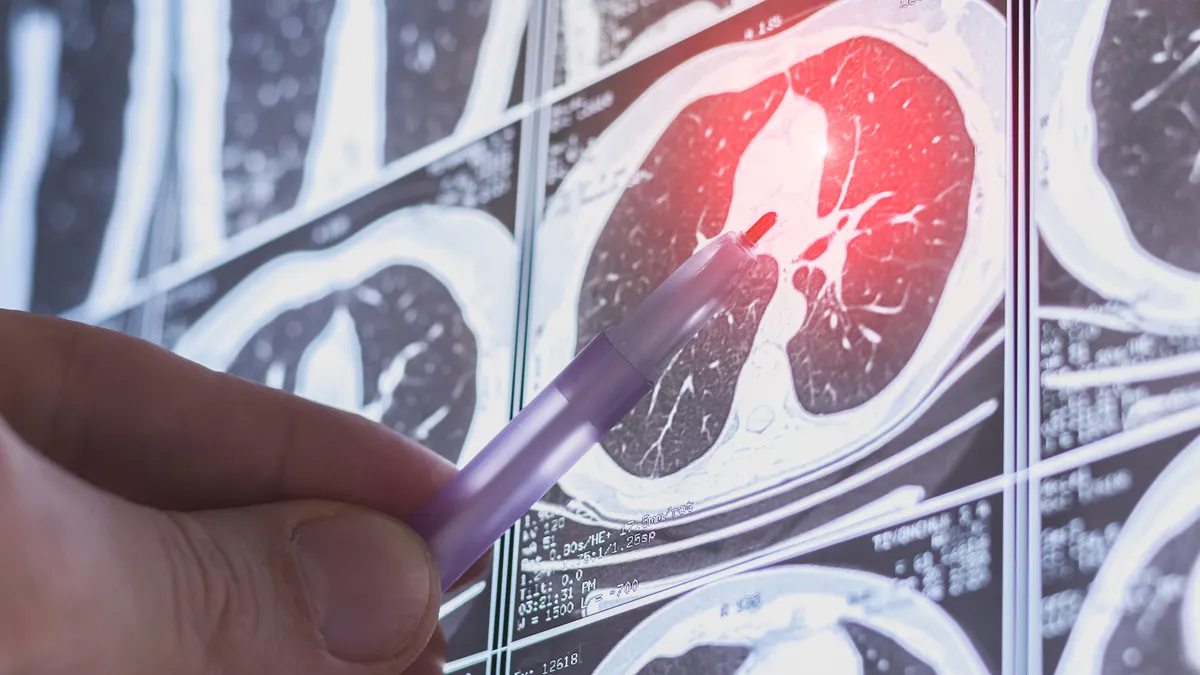
Idiopathic pulmonary fibrosis is a complex, progressive disease characterized by the thickening and scarring—or fibrosis—of the lung tissue. This structural degradation impairs the lungs’ ability to transfer oxygen into the bloodstream, leading to severe shortness of breath, chronic cough, and persistent fatigue. For the thousands of patients diagnosed annually, the prognosis is often grim, as the current standard of care serves primarily to slow, rather than reverse, the damage.
Oorja Bio, whose name is derived from the Sanskrit word for "energy," aims to shift the clinical focus from mere disease management to tissue restoration. CEO Sujay Kango describes the company’s mission as a direct response to the biological exhaustion observed in diseased lung cells. By focusing on regenerative pathways, the company hopes to provide a disease-modifying treatment that could fundamentally alter the trajectory of IPF.
The Science of Restoration: Targeting AEC2 Cells
At the heart of Oorja’s pipeline is its lead program, ORJ-001. Unlike traditional therapies that act as inhibitors to specific chemical pathways, ORJ-001 is a peptide drug designed to restore the functional integrity of alveolar epithelial type 2 (AEC2) cells.
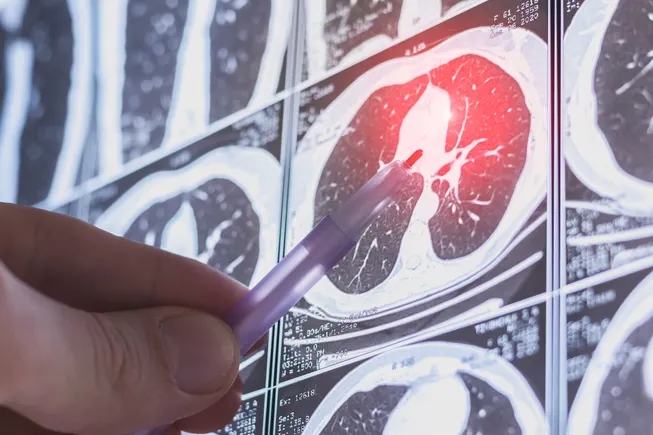
AEC2 cells act as the "engineers" of the lung’s delicate air sacs, or alveoli. Under healthy conditions, these cells are responsible for secreting surfactant and repairing the alveolar lining when injury occurs. In the context of IPF, however, these cells are fundamentally compromised, losing their regenerative capacity and contributing to the pathological scarring cycle.
"ORJ-001 represents a different, regenerative approach that we believe could complement other therapeutic strategies," Kango explained in an interview. By repairing the regenerative engine of the lungs, Oorja is betting that it can move beyond the "maintenance" model of existing drugs and offer a pathway toward reversing lung damage.
A Strategic Foundation: The Road to Series A
The formation of Oorja Bio follows a strategic investment by Westlake BioPartners, a firm known for its disciplined approach to life sciences ventures. The $30 million Series A round provides the necessary runway for Oorja to transition from a discovery-focused startup to a clinical-stage organization.
A critical component of this strategy involves the acquisition of high-potential assets. Oorja has licensed ORJ-001 from NIBEC, a South Korean biotechnology firm. This partnership reflects a broader industry trend: the "asset-buy" model, where startups prioritize de-risked or advanced molecules that can be moved into human clinical trials with relative speed. For Oorja, this means bypassing years of early-stage bench research to focus immediately on the complex hurdles of Phase 2 development.
Chronology: Building the Oorja Vision
The inception of Oorja Bio is deeply rooted in the success of previous industry breakthroughs.

- 2021: Merck & Co. acquires Acceleron Pharma for $11.5 billion. The deal centered on the potential of sotatercept (now marketed as Winrevair), a treatment for pulmonary arterial hypertension.
- 2022–2025: Sujay Kango and Chief Medical Officer Dr. Janethe Pena, both instrumental during the Acceleron era, begin formulating a new strategy for fibrotic diseases. Their work on Winrevair provided a template for addressing complex, progressive conditions through precise, targeted molecular intervention.
- Early 2026: Oorja Bio is incorporated in Houston, Texas, with a mandate to bridge the gap between regenerative biology and clinical practice.
- May 2026: The company formally exits stealth, announcing the $30 million Series A funding and the upcoming launch of a Phase 2 trial for ORJ-001.
- May 2026 (Concurrent): Data from early human studies, presented at a major medical conference, demonstrate that ORJ-001 is well-tolerated in healthy volunteers, clearing a significant safety hurdle for the upcoming clinical phase.
Current Market Landscape and Competitive Dynamics
The market for IPF treatments is currently defined by a handful of established players. Roche’s Esbriet and Boehringer Ingelheim’s Ofev and Jascayd represent the standard of care. These drugs primarily function by blocking cell-surface receptors or preventing the deposition of collagen that creates scar tissue.
While these medications have improved survival rates for many, they are not without limitations. Patients frequently report significant tolerability issues, including gastrointestinal side effects, which can lead to treatment discontinuation. Furthermore, because these drugs do not actively repair the tissue, the scarring process is merely delayed rather than halted or reversed.
The competition is intensifying. Last month, Avalyn Pharma successfully raised $300 million in an initial public offering, signaling strong investor appetite for companies seeking to disrupt the pulmonary space. Oorja’s entry adds a new dimension to this competitive field, as it prioritizes a regenerative mechanism of action over the traditional inhibition-based approach.
Implications for the Future of Fibrosis
The launch of Oorja Bio signals a broader shift in the biotechnology industry. For decades, the "fibrosis field" was characterized by high-profile failures and a lack of innovation. However, as the medical community gains a deeper understanding of the cellular senescence that drives scarring, new "disease-modifying" approaches are beginning to emerge.
"We believe the fibrosis field is entering a new era focused on regenerative and disease-modifying approaches that may offer greater benefit for patients," Kango said. If Oorja succeeds in its Phase 2 trial, it could potentially establish a new standard of care that addresses the root cause of cell dysfunction rather than just the symptoms.

Beyond IPF, the success of the AEC2-restoration platform could have far-reaching implications for other fibrotic conditions, including chronic kidney disease and liver cirrhosis, where similar patterns of cellular degradation occur.
Looking Ahead: The Phase 2 Horizon
As Oorja prepares for its Phase 2 clinical trial, the company is under pressure to validate its preclinical findings in a human population. The upcoming trial will be closely watched by analysts and investors alike, as it will serve as the first real-world test of the company’s hypothesis: that regenerative peptide therapy can indeed undo the damage caused by chronic lung disease.
With a seasoned leadership team that has a proven track record in high-stakes biotech development and a substantial war chest of capital, Oorja Bio is positioned to be a major player in the next generation of respiratory medicine. The road from the laboratory to the pharmacy is notoriously difficult, but with the support of Westlake BioPartners and a clear, differentiated scientific strategy, Oorja is poised to make a significant impact on the lives of those suffering from the relentless progression of pulmonary fibrosis.
As the industry looks toward the results of the upcoming trial, the central question remains: can we truly reverse the scarring that has long been considered a terminal feature of human lung disease? If Oorja’s data holds up, the answer may finally be yes.