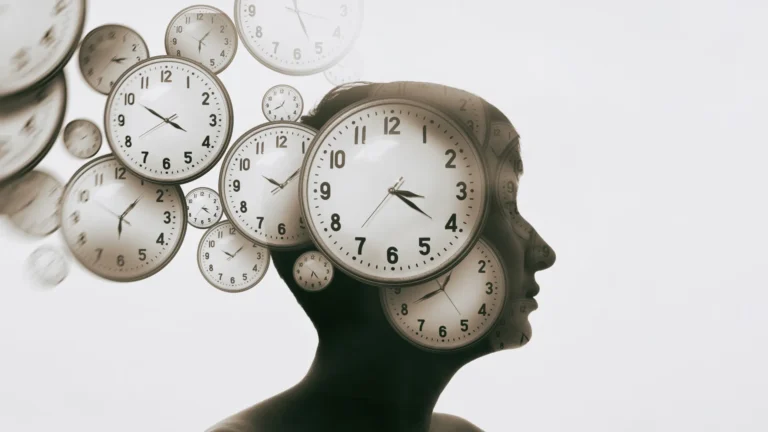











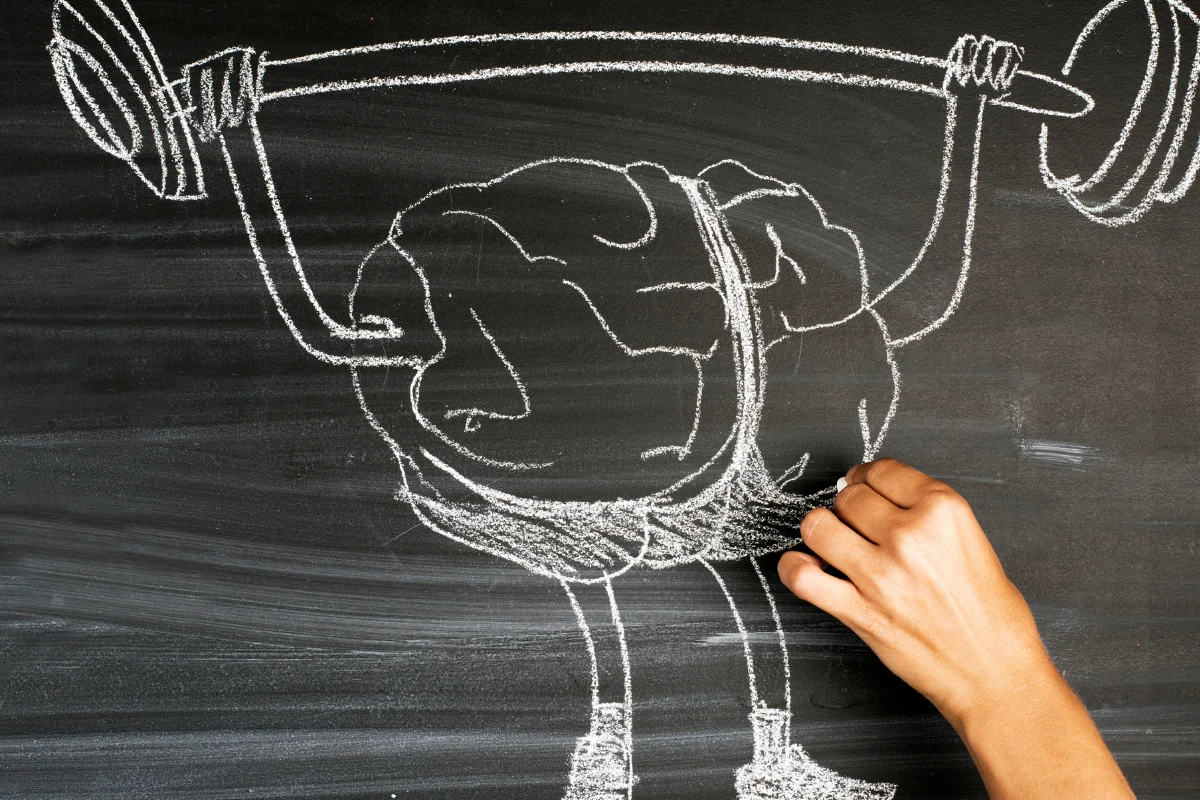
For decades, the public health narrative surrounding exercise has been dominated by physical markers: weight management, cardiovascular health, and the prevention of chronic ailments such as type 2 diabetes, stroke, and hypertension. However, a seismic shift in neuroscience is currently recalibrating our understanding of the human body. Physical activity is no longer viewed merely as a tool for "getting fit" in the traditional sense; it is increasingly recognized as a potent, non-pharmacological intervention for brain health and cognitive longevity.
As researchers peel back the layers of neurological function, it has become clear that movement acts as a catalyst for cognitive development in children and a robust shield against degeneration in aging adults. By fostering neurogenesis, optimizing neurotransmitter activity, and enhancing cerebral blood flow, exercise serves as a fundamental pillar of human cognition.
Main Facts: The Cognitive Architecture of Exercise
Cognition—the complex suite of mental processes including reasoning, memory, imagination, and learning—is profoundly sensitive to physical activity. When we engage in movement, we are not simply burning calories; we are engaging in a biological dialogue with our brain.
The most critical impact of exercise occurs within the "executive central command." This network governs our most advanced mental faculties, including multitasking, working memory, planning, and the ability to navigate ambiguity. As we age, these functions are often the first to experience decline. Research indicates that consistent physical activity acts as a "neuroprotective" agent, essentially reinforcing the cerebral architecture against the ravages of time.
Perhaps the most exciting revelation in recent neurobiology is the phenomenon of neurogenesis. Long thought to be impossible in the adult brain, the generation of new nerve cells is now known to occur, particularly within the hippocampus—the brain’s hub for memory and learning. Exercise stands as one of the most potent stimuli for this process. By facilitating the creation of new neurons and optimizing the synaptic communication between them, exercise literally "rebuilds" the brain’s processing capacity.
A Chronological Perspective: From Childhood to the Golden Years
The influence of physical activity on the brain is not static; it is a lifelong trajectory that begins in infancy and continues through the final stages of life.
The Developmental Years (Ages 4–18)
Research by Sibley and Etnier (2003) confirmed a significant positive relationship between physical activity and cognitive function in children. Their meta-analysis revealed that active children demonstrate superior perceptual skills, higher IQs, improved verbal and mathematical scores, and better academic readiness. Far from being a distraction from academic pursuits, physical education acts as an essential "brain-primer." Hillman et al. (2008) argue that exercise early in life is foundational, building a reserve of cognitive health that serves as a protective buffer throughout the entire adult lifespan.
The Young Adult Transition
While research has historically focused on the elderly, current evidence suggests that young adults are also significant beneficiaries. Exercise during these formative years contributes to "cognitive reserve," a concept popularized by van Praag (2008). This reserve represents a heightened resilience against age-related degeneration. By promoting the development of the cerebral cortex—the seat of higher-order information processing—physical activity during youth creates a more robust brain structure capable of sustaining function well into later life.
The Aging Population
The most compelling data regarding cognitive preservation comes from studies of the elderly. Yaffe et al. (2001) conducted a landmark study on 5,925 women over the age of 65. The findings were stark: those who were more physically active exhibited the least cognitive decline over a six-to-eight-year period. Whether through simple daily walking or structured recreational activity, the movement acted as a preservative for the mind, slowing the biological clock of the brain.
Supporting Data: The Biological Mechanics
Why does exercise work? The answer lies in the complex chemical and structural adaptations that occur within the cranium.
- Vascular Adaptation: Aerobic exercise induces the formation of new blood vessels in the brain. This enhanced vascularization ensures that the brain receives a steady supply of oxygen and essential nutrients, which are critical for peak cognitive performance.
- Neurotransmitter Modulation: Exercise is known to increase the levels of various neurotransmitters, the chemical messengers that allow neurons to communicate. This leads to an increased "synaptic communication capacity," essentially making the brain’s internal network faster and more efficient.
- The "Runner’s High" and Beyond: While endurance athletes have long touted the "runner’s high"—a result of specific neurotransmitter release—modern science has identified that the benefits go far beyond mood regulation. The improved connectivity between neurons facilitates better focus, clarity, and emotional stability.
Official Perspectives and Educational Policy
Despite the mounting evidence, the integration of physical activity into daily life—particularly in educational settings—remains inconsistent. Hillman and his colleagues have noted a troubling trend: many schools have reduced or eliminated physical activity requirements in a misguided attempt to prioritize standardized testing and classroom time.
However, the data suggests this is counterproductive. Field, Diego, and Sanders (2001) demonstrated that high-school students who engaged in at least seven hours of sports or exercise per week not only had higher grade-point averages but also reported lower rates of drug use and better familial relationships compared to their sedentary peers. There is no empirical evidence to suggest that removing physical activity from the school day improves academic achievement; on the contrary, it may actively undermine it.
Implications: The Future of "Neuro-Fitness"
For fitness professionals, clinicians, and educators, the implications are clear: the mission is to shift the narrative from "weight loss" to "brain optimization."
A Holistic Approach
While cardiovascular exercise has been the primary focus of most studies, experts now suggest that a multi-modal approach is likely the most effective. By combining aerobic training (which boosts blood flow and neurogenesis), resistance training (which builds strength and coordination), and flexibility training (which improves neuromuscular efficiency), individuals can encourage a broader range of neural and chemical adaptations.
The "Neuroprotective" Buzz
The term "neuroprotective" should become a staple of the fitness lexicon. When clients or students understand that their workout is not just for their waistline, but is an essential maintenance protocol for their "executive central command," motivation often increases. We are essentially selling a "brain-insurance policy."
Practical Applications
While we currently lack a "perfect" exercise prescription (the exact mode, intensity, and duration required for optimal cognitive health), the general recommendation is consistency. The brain, like the body, thrives on movement. Whether it is walking, swimming, lifting weights, or participating in complex sports that require decision-making under pressure, the goal is to keep the "100 billion neurons" active and engaged.
Closing Reflections: The Brain in Numbers
To truly appreciate the necessity of physical activity, one must look at the complexity of the organ we are protecting. The human brain is an energy-intensive powerhouse, consuming 20% of the body’s total oxygen at rest. It houses 100,000 miles of blood vessels and generates enough electrical power—10 to 23 watts—to light a small bulb.
With 70,000 thoughts per day and a structure that is 75% water, the brain is a delicate, dynamic, and ever-changing system. It is not an immutable object; it is an organ that responds to the demands placed upon it. By choosing to be physically active, we are making a conscious decision to nurture this organ, ensuring that our "executive central command" remains sharp, agile, and resilient.
As research continues to evolve, the link between the heart and the mind will only grow stronger. The message is simple yet profound: Be smart, exercise your heart. Your brain—and your future self—will thank you for it.
References
- Field, T., Diego, M., & Sanders, C.E. (2001). Exercise is positively related to adolescents’ relationships and academics. Adolescence, 36 (141), 105–10.
- Hillman, C.H., Erickson, K.I, & Kramer, A. F. (2008). Be smart, exercise your heart: Exercise effects on brain and cognition. Nature Reviews Neuroscience, 9 (1), 58–65.
- Kramer, A.F., Erickson, K.I., & Colcombe, S.J. (2006). Exercise, cognition, and the aging brain. Journal of Applied Physiology, 101, 1237–42.
- Kravitz, L. (2007). The 25 most significant health benefits of physical activity & exercise. IDEA Fitness Journal, 4 (9), 54–63.
- Sibley, B.A., & Etnier, J.L. (2003). The relationship between physical activity and cognition in children: A meta-analysis. Pediatric Exercise Science, 15, 243–56.
- van Praag, H. (2009). Exercise and the brain: Something to chew on. Trends in Neurosciences, 32 (5), 283–90.
- Yaffe, K., et al. (2001). A prospective study of physical activity and cognitive decline in elderly women: Women who walk. Archives of Internal Medicine, 161 (14), 1703–1708.