







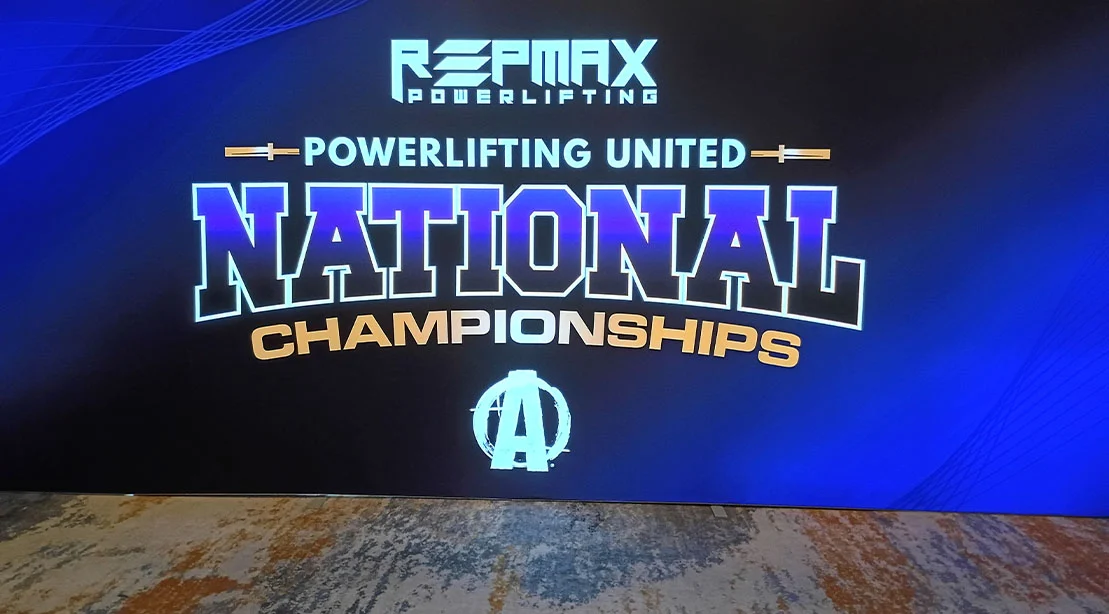
The powerlifting community converged on the Westin San Antonio North in Texas this past May 16–17, marking a watershed moment for the sport. The 2026 Powerlifting United (PLU) National Championships served as more than just a competition; it was a grand showcase of human potential, bringing together over 250 athletes ranging from pre-teens to septuagenarians. As the dust settled on the platform, it became clear that the 2026 iteration of the Nationals had set a new benchmark for excellence, inclusivity, and sheer physical output within the PLU federation.
With over $10,000 in prizes distributed and a barrage of national records shattered, the event was a resounding success. Fans worldwide tuned in to the PLU YouTube channel, while data enthusiasts pored over the granular lift-by-lift summaries provided by Open Powerlifting. The narrative of the weekend was defined by a single, undeniable truth: powerlifting in the United States is currently experiencing a golden age of growth and performance.
A Chronology of Strength: The Weekend’s Arc
The competition kicked off early Saturday morning, with the atmosphere in the Westin San Antonio North already electric. The organizers had optimized the two-day schedule to ensure a fluid flow between weight classes, allowing for a high-intensity environment that kept the audience engaged from the first squat to the final deadlift.
Day one set a high bar, focusing on the lighter weight classes and the Masters divisions, where technical proficiency often outshines raw tonnage. As the weekend progressed, the tension mounted. By the afternoon of day two, the heavyweight classes took to the stage, culminating in the highly anticipated performance of Zac Meyers. The progression of the meet was marked by a series of escalating standards; as one athlete set a record, the next stepped up to challenge it, creating a "rising tide" effect that pushed every competitor to dig deeper into their reserves.
Zac Meyers: The Heavyweight Titan
The undisputed highlight of the weekend was the performance of 140-kilogram (308-pound) powerhouse Zac Meyers. Entering the meet with massive expectations, Meyers did not merely meet the hype; he obliterated it.
Meyers opened his campaign with an 870-pound squat, showcasing the explosive leg drive that has become his trademark. He followed this with a dominant 606-pound bench press. However, the real drama unfolded during his deadlift sequence. After successfully pulling 832 pounds, he set his sights on a legendary 400-kilogram (881-pound) deadlift. While the bar ultimately proved too heavy on this particular day, the attempt itself was an audacious display of ambition. Meyers finished with a total of 2,309 pounds—surpassing the "ton" threshold (2,204 lbs) with room to spare. His performance earned him a standing ovation and cemented his status as a premier force in the global powerlifting landscape.
Statistical Supremacy: The DOTS Benchmark
In a sport where body weight varies significantly, the DOTS (Dynamic Objective Total Score) formula is the great equalizer. It allows for a fair comparison of strength across all weight classes and genders.
The 2026 Nationals witnessed a record-breaking 16 athletes shattering the prestigious 500 DOTS barrier—a gold standard in the powerlifting world. Zac Meyers led the charge with a monumental score of 591.97. On the women’s side, the competition was razor-thin. Allison Whorton, Meyers’ partner, claimed the top spot with a score of 503.59. In an incredible display of parity, she edged out runner-up Jennifer Tren by a mere 0.04 points, a margin that highlights the extreme level of preparation required to stand on the podium in 2026.
The Masters Movement: Defying Conventional Wisdom
Perhaps the most inspiring segment of the Nationals was the performance of the Masters athletes. These lifters prove that strength is a lifelong pursuit, not a youthful vanity.
Karen Crogan, 75, delivered a masterclass in longevity. Totaling 451 pounds in the 123-pound division, she secured the title of "Best Lifter Tested Master." Her performance was a technical clinic, demonstrating that while muscle mass may fluctuate, form and grit remain constant.
Equally impressive were Joe Hays and Bob McGhee, both of whom crossed the 1,000-pound total mark in their mid-to-late 60s. The crowd, however, was particularly moved by 56-year-old Tammy Mims. Mims produced a staggering 1,019.6-pound total, including a 400-pound squat. In her post-meet interview, Mims offered a perspective that resonated with everyone in the room: "I could either get stronger or sicker. I wanted to get stronger." Her words serve as a testament to the therapeutic and life-extending power of resistance training.
The Future of the Iron Sport: Teen Phenoms
If the Masters represent the wisdom of the sport, the teen division represents its limitless future. The youngest competitor at the Nationals, 11-year-old River Tuttle, made her debut on the national stage with a 474-pound total. Her 209.4-pound deadlift was met with a roar from the audience that rivaled the reaction to the elite heavyweights.
Equally compelling was the journey of 15-year-old Elena Humphrey. Returning to competition after suffering a broken back just over a year ago, Humphrey’s performance was nothing short of miraculous. By totaling 606 pounds—featuring a 220.4-pound squat and a 270-pound deadlift—she proved that the mental fortitude required to return from injury is just as significant as the physical strength required to lift the bar.
Implications for the 2026 PLU Season
The success of the National Championships serves as a massive springboard for the remainder of the Powerlifting United season. The momentum generated in San Antonio is expected to carry over into the 2026 American Pro, scheduled for August 7–8 in Richmond, Virginia.
The American Pro represents the next tier of competition, where the sport’s most elite, invited athletes will compete for top-tier honors. The implications of the National results are clear: the bar has been raised. Athletes across the country now have a tangible reference point for what it takes to compete at the highest level of PLU. With talk of international expansion and a growing roster of sponsors, the infrastructure of the sport is becoming more robust, professional, and accessible.
Looking Ahead
As the federation looks toward the American Pro and beyond, the narrative is one of consolidation and growth. Powerlifting United has successfully fostered an environment where the elite coexist with the enthusiast, and where an 11-year-old girl and a 75-year-old woman can share the same platform with the same level of respect and intensity.
For those looking to relive the action, the full replays remain available on the PLU YouTube channel. Further data, including comprehensive weight class breakdowns and individual lift metrics, can be accessed through Open Powerlifting. As the season progresses, fans are encouraged to follow the official PLU Instagram account for real-time updates and to visit www.powerliftingunited.com for the full 2026 schedule.
The 2026 National Championships have set the tone for a banner year. In a world of increasing complexity, the simple act of putting weight on a bar and pushing it remains a powerful, unifying, and endlessly inspiring endeavor.