











By Emily Olsen | Published May 22, 2026
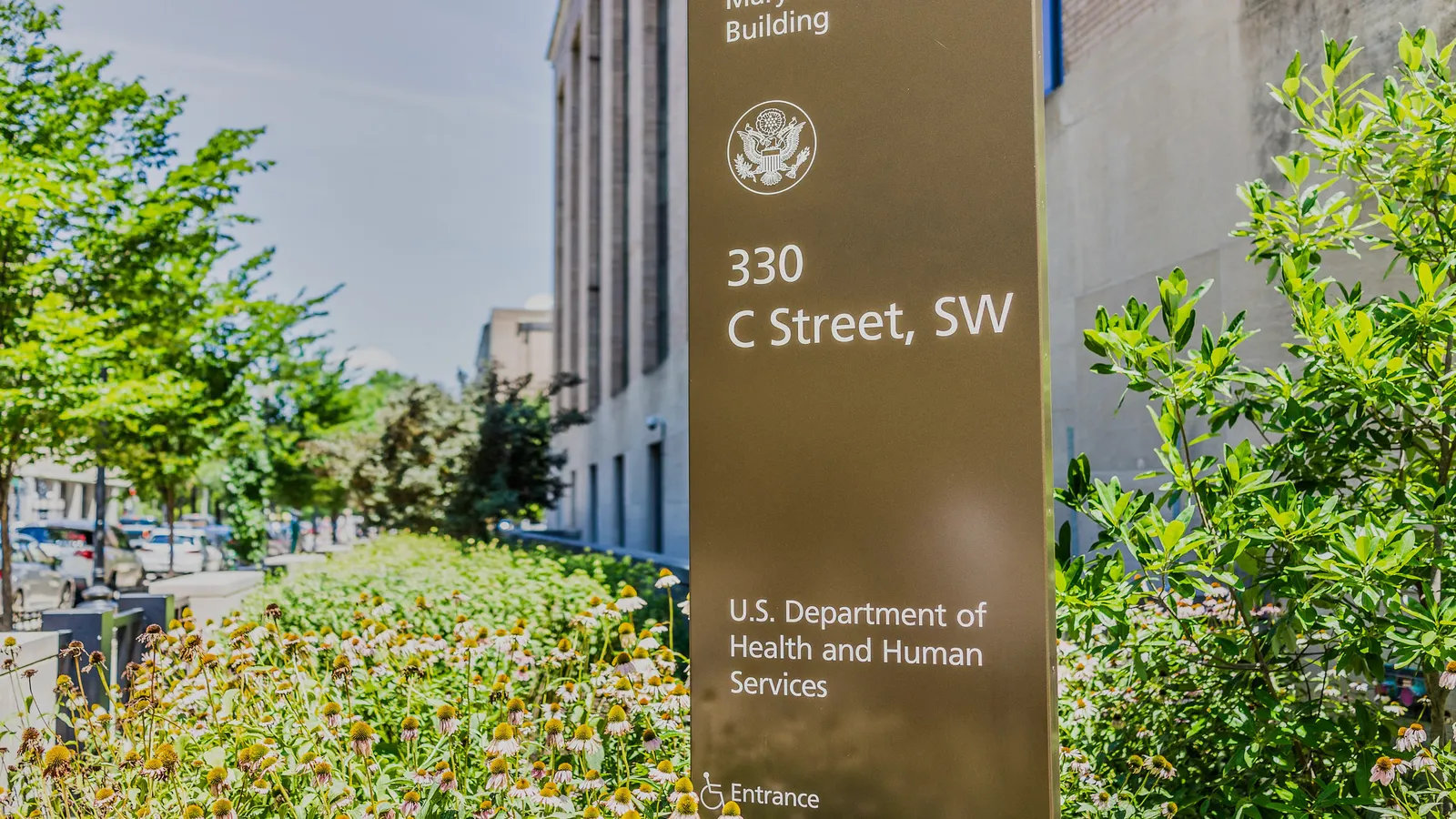
In a sweeping move to reform how federal tax dollars are monitored and distributed, the U.S. Department of Health and Human Services (HHS) has officially unveiled the Audit Enforcement and Risk Oversight (AERO) initiative. By leveraging advanced artificial intelligence to scrutinize mandatory financial audits, the agency aims to enforce stricter compliance among states, local governments, and nonprofit organizations that receive federal grant funding.
The initiative marks a significant escalation in the federal government’s posture toward accountability, signaling that the era of "consequence-free" oversight failures is coming to an end. Under the new policy, the department will deploy AI-driven analytics to identify systemic errors and persistent weaknesses in financial reporting, with the explicit threat of withholding federal funds from those who fail to remediate identified issues.
The Core Mechanics of AERO
Under existing federal regulations, any entity—be it a state agency, local government, or private nonprofit—that expends $1 million or more in federal funds during a single fiscal year is required to undergo a "single audit." This audit is designed to provide a comprehensive review of the organization’s financial operations and its adherence to federal compliance standards.
Historically, the process has been plagued by a "check-the-box" mentality. While audits are submitted, the actual correction of identified internal control failures has often been neglected. The AERO initiative changes this dynamic by utilizing artificial intelligence to ingest and analyze years of audit data. The AI will scan for recurring patterns of non-compliance, flagging entities that have failed to address audit findings repeatedly.
By automating the review process, HHS officials expect to move beyond manual oversight, which has struggled to keep pace with the sheer volume of federal grants managed by the department.
Chronology of Increasing Federal Oversight
The launch of AERO is the latest in a series of aggressive actions taken by the administration to tighten the reins on federal healthcare and social service spending.
- Early 2026: The administration signals a broader intent to combat fraud, waste, and abuse, moving beyond simple audits toward active enrollment suspensions.
- March/April 2026: CMS initiates suspensions for various durable medical equipment (DME), prosthetics, and orthotics suppliers, citing high risks of fraudulent billing practices.
- April 2026: Dr. Mehmet Oz, a key figure in the administration’s healthcare reform efforts, announces that the crackdown on Medicaid fraud will expand to all 50 states, requiring mandatory provider revalidation plans.
- May 13, 2026: The administration makes headlines by withholding over $1 billion in Medicaid funding from California, following a similar move against Minnesota earlier in the year.
- May 22, 2026: HHS formally announces the AERO initiative, institutionalizing the use of AI to enforce audit compliance.
Supporting Data: The Cost of Compliance Failures
While the administration has yet to provide an estimate on the exact financial savings expected from the AERO initiative, the scale of the problem is significant. For years, the HHS Office of Inspector General has documented "serious vulnerabilities" in how state and local partners handle federal money.
Data indicates that a subset of grantees consistently ignores "management letters"—documents sent by auditors that highlight internal control weaknesses. When these weaknesses are not addressed, they become pathways for fraud, improper payments, and the misallocation of resources.
Furthermore, the administrative burden of these failures is immense. Federal agencies have historically spent excessive time chasing documentation rather than focusing on the delivery of health services. By shifting the focus to high-risk entities via AI, the HHS aims to reallocate its human resources toward auditing the most problematic grantees rather than performing blanket reviews of compliant ones.
Official Responses and the "Partner vs. Adversary" Doctrine
The rhetoric from HHS leadership underscores a shift from a supportive, consultative model to one of strict enforcement. Gustav Chiarello, the HHS Assistant Secretary for Financial Resources and Chief Financial Officer, provided a stark assessment of the status quo during the announcement.
"Years of audit reports documented serious vulnerabilities and failures in oversight, yet states and grantees faced little to no consequences," Chiarello stated. "Grantees who want to work with us to fix these problems will have a partner. Those that don’t may face consequences."

This "partner-or-adversary" framework is the cornerstone of the AERO initiative. The department is positioning itself as a coach for entities that demonstrate a willingness to implement better internal controls, while reserving the "stick"—the withholding of funds—for those that demonstrate willful negligence or repetitive failure.
Implications for Healthcare and Social Services
The implications of the AERO initiative are far-reaching, particularly for the healthcare sector, which is the primary recipient of HHS grant funding.
1. The Impact on Medicaid
With Medicaid representing one of the largest expenditure categories for both the federal government and state governments, the pressure to maintain "clean" books is at an all-time high. States that fail to comply with audit requirements or that exhibit poor internal controls could face significant liquidity crises if federal funding is suddenly frozen. This potential for funding freezes has already begun to shift the political landscape, as evidenced by the high-profile clashes between the federal government and states like California and Minnesota.
2. Operational Challenges for Nonprofits
Many nonprofit healthcare organizations rely heavily on federal grants to sustain community health programs. These organizations often operate with lean administrative staffs. The requirement to adhere to increasingly complex audit compliance standards, now reinforced by AI monitoring, may force these organizations to invest more heavily in compliance software and specialized legal counsel, potentially diverting funds away from patient care.
3. The "AI-First" Regulatory Environment
The AERO initiative represents a broader trend of federal agencies utilizing AI to perform regulatory functions. As AI models become better at identifying anomalies—such as unusual billing patterns or inconsistencies in financial reporting—the "regulatory net" will tighten. Future audits will likely be more predictive than reactive, with the government identifying potential fraud before a single dollar is lost.
4. Political Polarization and Scrutiny
The administration’s aggressive use of financial levers has drawn criticism from opponents who argue that the crackdown is disproportionately targeting Democrat-led states. While the administration maintains that these actions are purely data-driven and focused on fiscal responsibility, the political optics remain contentious. As the AERO initiative begins to flag audits across all 50 states, the test will be whether the department applies the same level of scrutiny to Republican-led states as it has to those currently in the crosshairs.

Conclusion: A New Era of Fiscal Accountability
The introduction of the AERO initiative is a watershed moment for the U.S. Department of Health and Human Services. By integrating artificial intelligence into the oversight process, the agency is attempting to modernize a system that has long been criticized for being sluggish and ineffective.
However, the success of the program will ultimately depend on its implementation. If the AI is perceived as an arbitrary "black box" that unfairly penalizes states for minor technical errors, it will likely lead to a wave of litigation and political pushback. Conversely, if the system successfully identifies and stops actual fraud, it could serve as a template for other federal departments looking to restore public trust in the stewardship of taxpayer money.
As of late May 2026, the message to grantees is clear: the federal government is watching, it is using advanced technology to do so, and the time for correcting long-standing financial failures is now. The grace period for oversight negligence is over.