








Published: May 22, 2026
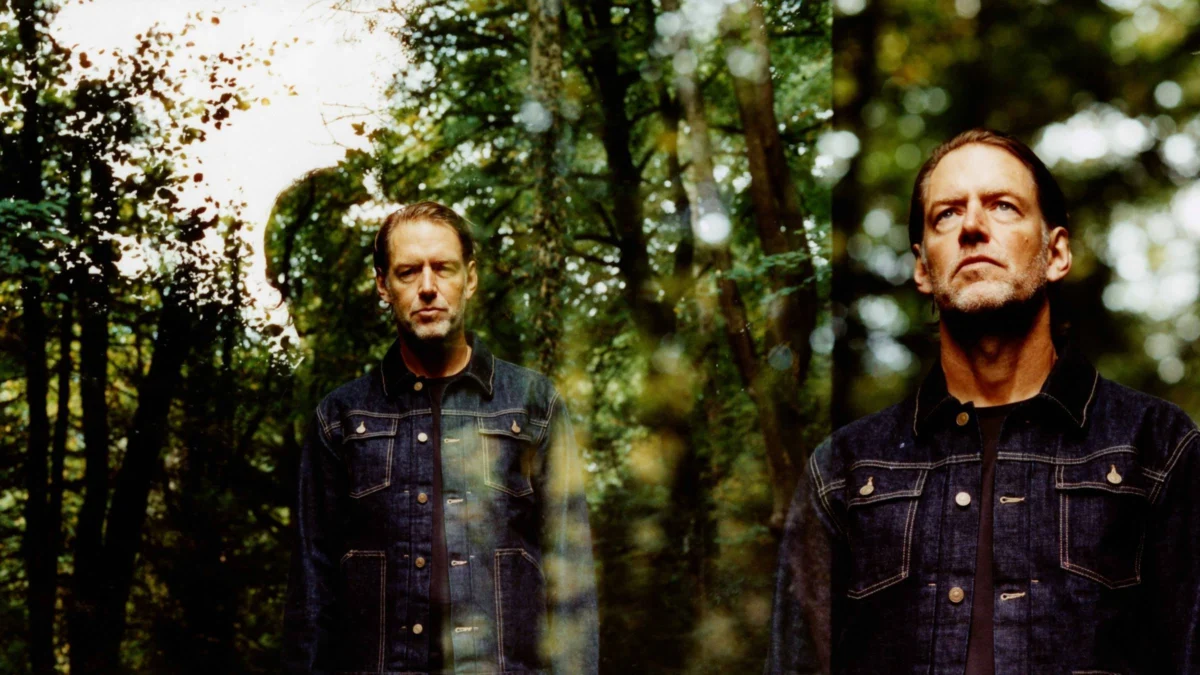
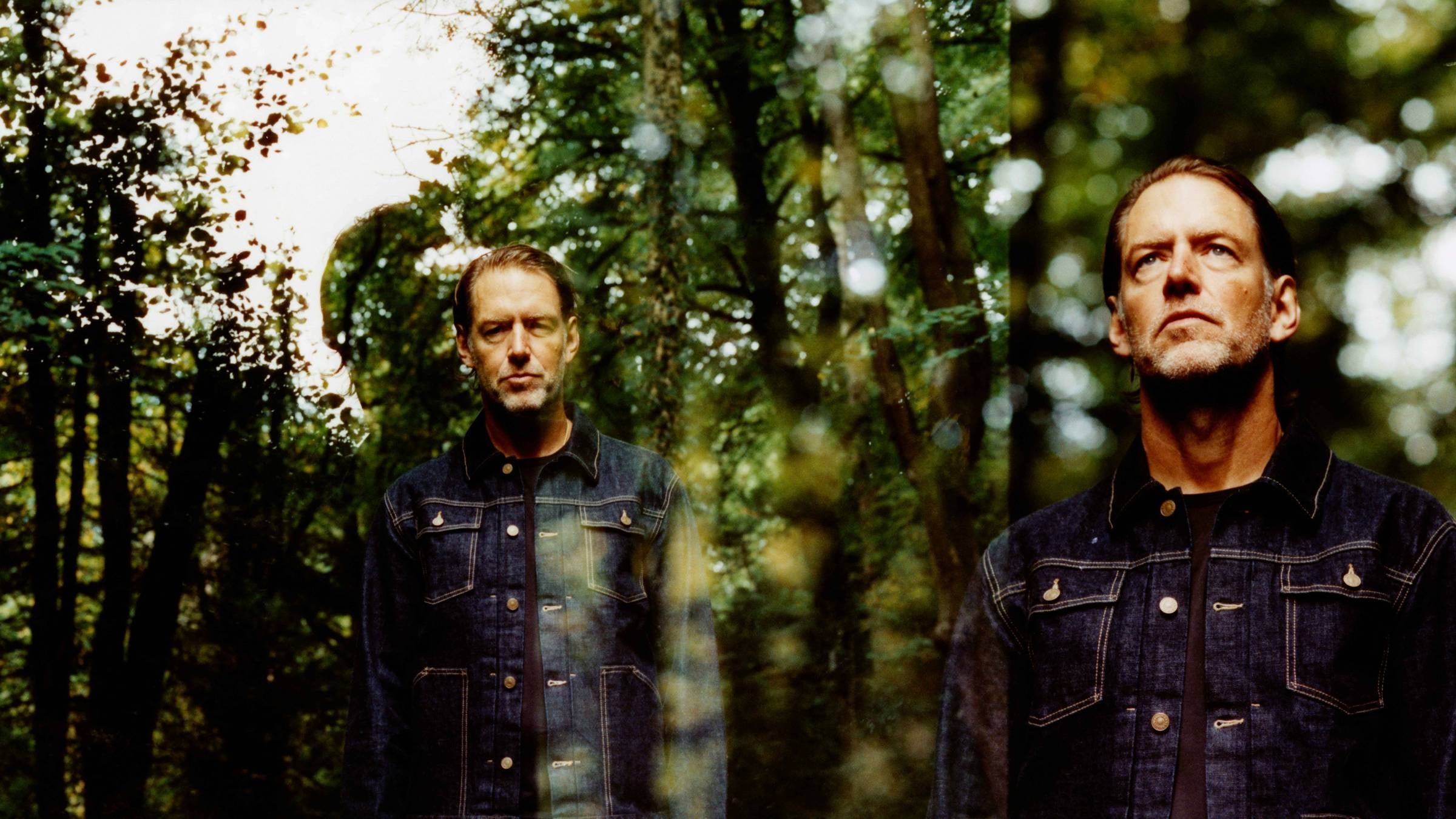
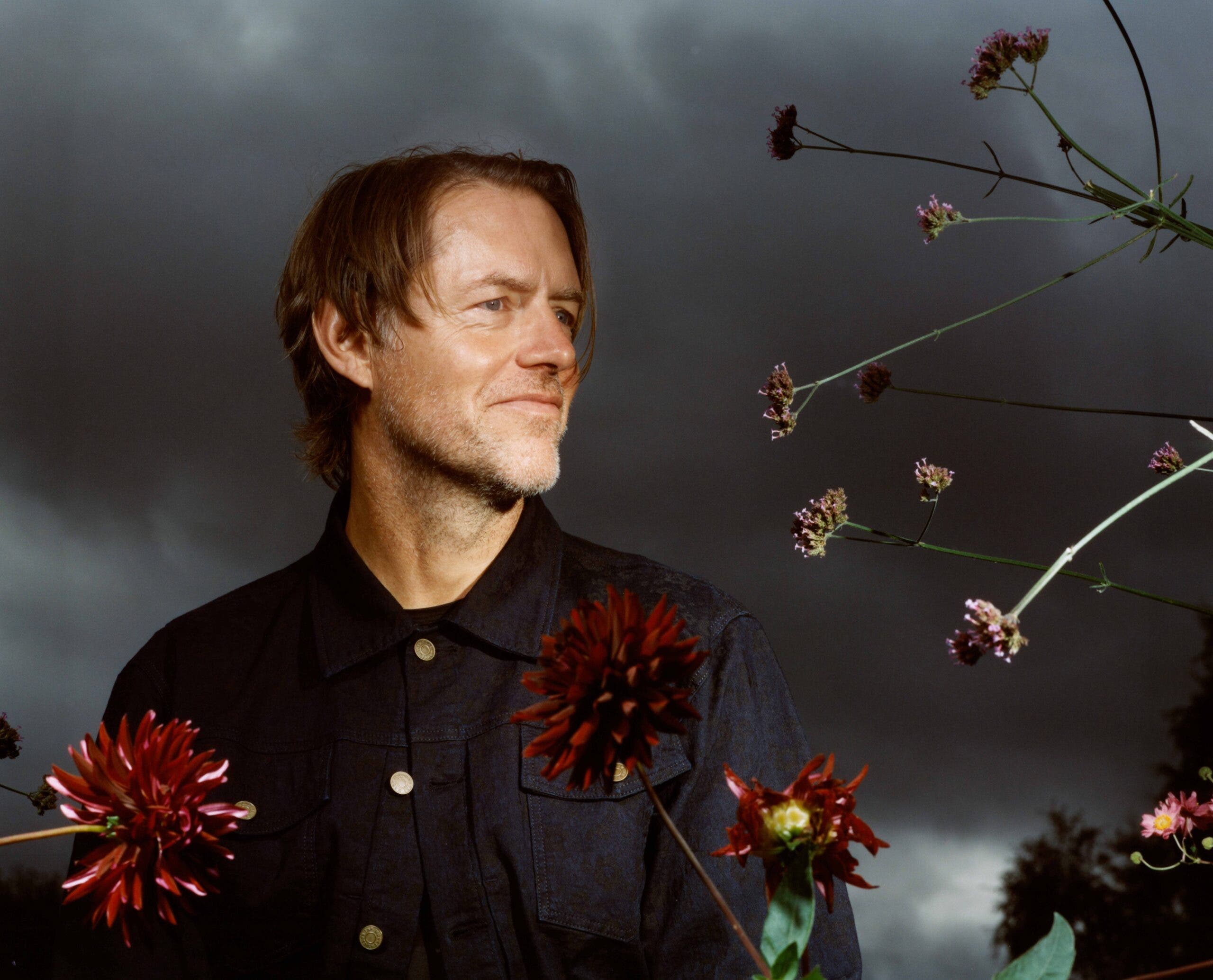
For over three decades, Ed O’Brien has been the atmospheric heartbeat of Radiohead, the guitarist responsible for the textured, soaring soundscapes that defined a generation of alternative rock. Yet, in his latest solo endeavor, Blue Morpho, released today, May 22, 2026, O’Brien steps away from the stadium lights to reveal a deeply personal odyssey of healing, mysticism, and spiritual reclamation.
The project is more than a collection of songs; it is a multimedia manifesto. Accompanied by a ten-minute short film—premiering on YouTube on June 3—Blue Morpho documents a period of profound transformation that saw the British musician retreat from the high-octane life of a global rock star to the ancient, rugged landscapes of Wales.
The Genesis of the Blue Morpho
The album’s title takes its name from the iridescent blue butterfly O’Brien encountered during a transformative residency in Brazil in the early 2010s. For the artist, the butterfly is the ultimate metaphor for metamorphosis.
"I am drawn to phenomena that are on the fringes and things you can’t explain," O’Brien told Outside during a recent interview from his London home. "I believe in magic. It’s inherent to music-making. Music doesn’t come from studied, accumulated knowledge. It comes through you."
This philosophy underpins the entire record, which was four years in the making. The music, produced in collaboration with the legendary Paul Epworth, blends psych-folk, jazz textures, and ambient sound. Notably, the entire album was recorded at 432 Hz—a frequency often cited in sound therapy as a "universal harmonic."
"When you listen to the music, you feel calm; that’s part of the magic of 432 Hz," O’Brien explains. "It feels deeply whole. I’m not going back to 444."
Chronology of a "Dark Night of the Soul"
To understand Blue Morpho, one must understand the circumstances of its birth. In April 2020, as the world entered a pandemic-induced standstill, O’Brien found himself confronting a "dark night of the soul."
- 2010–2015: O’Brien experiences a creative and spiritual awakening while living in Brazil, an era that introduces him to shamanic practices and non-Western healing modalities.
- April 2020: As global lockdowns take effect, O’Brien falls into a deep, debilitating depression. He relocates his family from London to their home in the Welsh countryside.
- 2020–2024: During this period, the Welsh landscape becomes his primary sanctuary. He engages in daily ritualistic walks and develops a "tool kit" of alternative healing practices.
- 2025: Radiohead returns to the stage for their first tour in seven years, featuring an innovative "in-the-round" performance format. O’Brien balances the demands of his legacy band with the completion of his solo work.
- May 2026: Blue Morpho is released, coinciding with his appearance at the Outside Days festival in late May.
The Healing Toolkit: Bridging Science and Spirit
O’Brien’s journey into alternative medicine has been a long, often scrutinized path. Raised in a family of osteopaths who favored pharmaceutical interventions, his interest in fringe healing—from Tibetan medicine and acupuncture to the Wim Hof Method—initially drew skepticism from those closest to him.
"Ironically, I come from a family of osteopaths who love prescribing drugs," he says. "They were horrified at the idea of me going to see a healer in Brazil because it wasn’t scientific. But I’ve always been interested in how people in other parts of the world approach medicine and healing."
His current "toolkit" is a blend of the ancient and the modern. He is a daily practitioner of cold exposure, citing the physiological benefits of the cold on the vagus nerve, and maintains a strict 25-minute morning meditation practice.
"I’m a mongrel meditator," he jokes, noting that he taught himself two decades ago but still seeks formal guidance. "It’s amazing what the cold does to the vagus nerve. I realized wellbeing starts in an emotional place. I started to feel my way through things."
Nature as a Cathedral
The centerpiece of the Blue Morpho project is the accompanying short film. Narrated by O’Brien, the footage features the musician traversing the wild, windswept trails of Snowdonia, dipping his hands into glacial streams, and gazing into the vastness of the night sky.
"This land is like my cathedral," O’Brien says in the film.
His relationship with nature is not merely aesthetic; it is structural to his mental health. Accompanied by his rescue dog, Ziggy, O’Brien describes how his walks were essential to his recovery. These walks were not just exercise; they were a deliberate reconnection with the rhythm of the seasons—a cycle often lost in the urban, tour-centric life of a professional musician.
"When you are somewhere really wild and powerful energetically, it has an enormous effect on you," he notes. "I think living in cities, it’s easy to ignore the seasons. But there is something primal about living by the seasons. They help root us through change."
Supporting Data: The Impact of Environment on Mental Health
O’Brien’s anecdotal experience aligns with a growing body of psychological research regarding "nature-based therapy." Studies have consistently shown that exposure to "green space" and "blue space" (water-based environments) significantly lowers cortisol levels and aids in the treatment of depressive symptoms.
Furthermore, the use of rhythmic, repetitive activity—such as long-distance hiking—is recognized by neuroscientists as a method of inducing a flow state, which allows the brain to exit the "default mode network" (DMN) associated with rumination and depression. O’Brien’s deliberate choice to incorporate psilocybin rituals in Dartmoor National Park—a practice he describes as a way to "feel the beauty of Mother Earth"—also reflects a broader cultural trend toward the therapeutic use of psychedelics, currently being explored in clinical settings for treatment-resistant depression.
Official Perspectives and Future Implications
O’Brien is currently navigating a unique period of his career. As he prepares to present Blue Morpho at the Outside Days festival on May 31, he is also preparing for a long-term touring commitment with Radiohead. Starting in 2027, the band plans to perform 20 shows a year on a rotating continental schedule.
For O’Brien, the challenge is maintaining his newfound spiritual equilibrium while back on the road. "I try not to be a diva, but I do request a room with a balcony or outside space," he explains. "And I seek out parks every chance I get. After my dark time, I feel increasingly drawn to the beauty that surrounds us in the natural world. It’s become a lifeline."
His message to those struggling with their own "dark nights" is one of resilience. O’Brien frequently returns to the phrase, "You got this."
"I really believe we have to be careful in modern society not to have such an aversion to pain," he says. "People are so much more resilient and capable than they realize. I’m so thankful for that dark time. I wouldn’t have moved forward without it. Only when we suffer and face challenges do we evolve. Evolution doesn’t happen when everything is in balance."
As he moves into this next chapter, O’Brien stands as a bridge between the clinical and the mystical. By synthesizing his technical mastery of sound with a raw, honest exploration of the human condition, he has created a work that serves as both a soundtrack for introspection and a roadmap for those seeking their own path back to the light.