






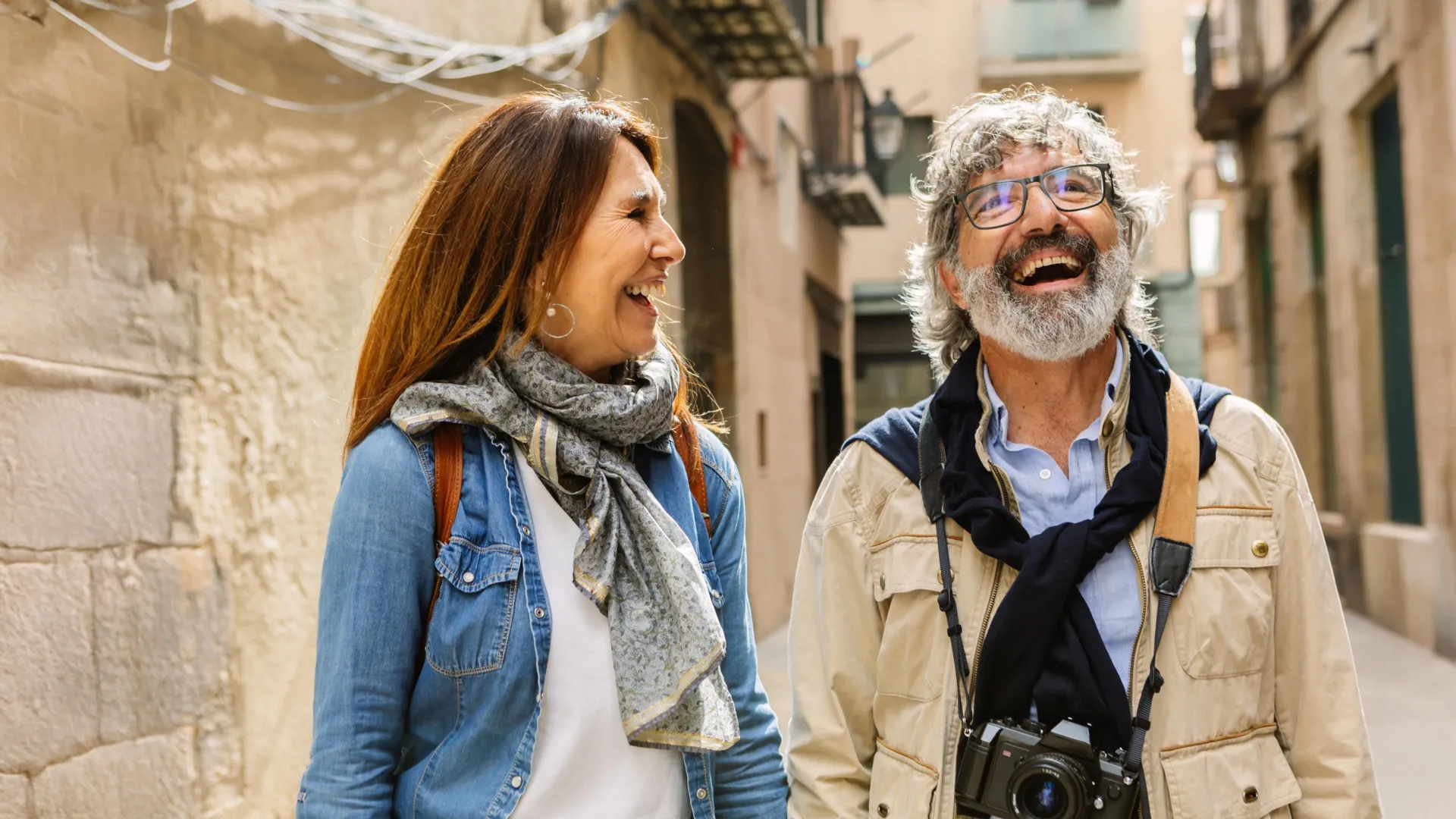
For decades, the beauty and pharmaceutical industries have dominated the conversation surrounding anti-aging. From retinol-infused serums to complex chemical peels, the pursuit of "youthful skin" has largely been framed as a topical battle against time. However, a groundbreaking shift in scientific perspective is emerging from the halls of Edith Cowan University (ECU). Researchers there are proposing a far more adventurous, holistic strategy for slowing the clock: travel.
In a series of interdisciplinary studies published between 2024 and 2025, experts are framing tourism not merely as a respite from the daily grind, but as a legitimate health intervention capable of reinforcing the body’s internal systems. By applying the theory of entropy—the thermodynamic principle describing the universe’s inevitable slide toward disorder—to human biology, researchers suggest that positive travel experiences can act as a catalyst for maintenance, repair, and biological resilience.
The Entropy of Aging: A New Scientific Framework
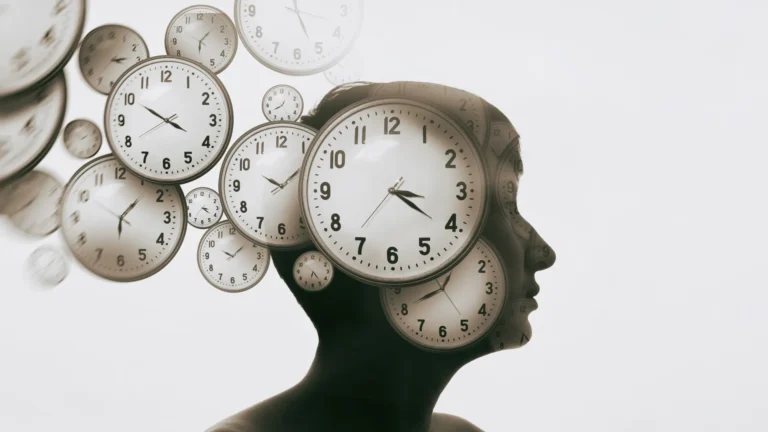
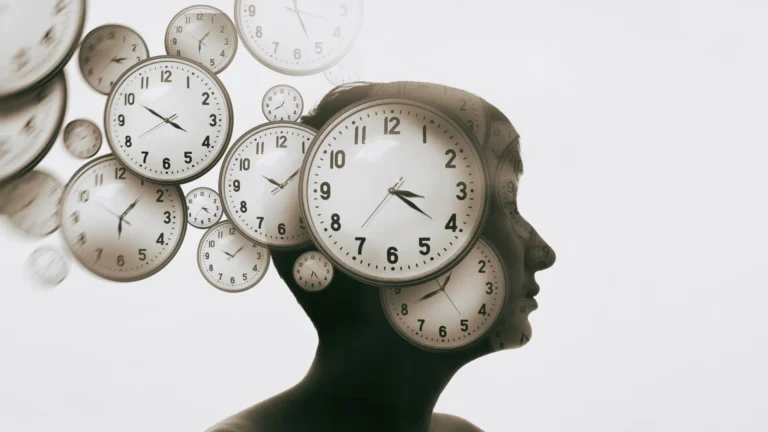
To understand why a vacation might be as significant as a medical intervention, one must first understand the concept of entropy. In physics, entropy is the measure of disorder within a system. As applied to the human body, aging is essentially an increase in biological entropy—a gradual accumulation of wear and tear, cellular damage, and systemic inefficiencies.
"Aging, as a process, is irreversible," explains Ms. Fangli Hu, a PhD candidate at ECU and lead researcher on the project. "While it cannot be stopped, it can be slowed down. The goal is to minimize the drift toward disorder."
In the context of the study published in the Journal of Travel Research, travel is presented as a mechanism to counter this drift. When we exist in a static, high-stress routine, our bodies may settle into a state of "high entropy," where the immune system, metabolic processes, and cellular repair mechanisms function at sub-optimal levels. Conversely, carefully curated travel experiences introduce novelty, movement, and emotional stimulation—factors that appear to pull the body back toward a state of low-entropy, organized functionality.
Chronology of an Emerging Field
The evolution of "Travel Therapy" as a formal research topic has accelerated rapidly over the last eighteen months. The trajectory of this field suggests a growing recognition that lifestyle-based interventions are just as critical as clinical ones.
- Early 2024: The publication of the initial ECU study in the Journal of Travel Research formally introduced the application of entropy theory to tourism. This work laid the groundwork for viewing the traveler’s environment as a primary influencer of biological health.
- Late 2024: Following the publication, the academic community began to debate the "dosage" of travel—how much and what type of travel is necessary to elicit measurable health benefits.
- Early 2025 (Research Note): Hu and her colleagues released a research note defining "Travel Therapy" as an emerging medical approach. This note emphasized the necessity of a balanced perspective: travel is a tool, but it must be applied with an understanding of both its restorative potential and its inherent risks.
- Mid-2025 (Cross-Disciplinary Integration): A landmark paper called for the synthesis of travel medicine and tourism studies. This period marked the acknowledgment that preventive care, travel safety, and psychological well-being are inextricably linked.
- Late 2025 (Systematic Review): A comprehensive review underscored that while the correlation between tourism and healthy aging is strong, the field is currently in its infancy. Researchers emphasized the need for standardized methodologies to prove the efficacy of travel as a long-term "health prescription."
The Mechanics of Restoration: How Travel Defends the Body
The study posits that travel influences four major biological systems, effectively acting as an "external" support structure for the body’s internal defenses.
1. The Immune Response and Resilience
When a traveler encounters a new environment, the body’s adaptive immune system is prompted to "wake up." Exposure to new, safe, and manageable stimuli forces the body to recognize and respond to its surroundings. This engagement trains the self-defense system, making it more resilient. By breaking the monotony of a sterile, sedentary environment, travel encourages the release of hormones conducive to tissue repair and regeneration.
2. Metabolic Regulation
Travel is rarely a static experience. Whether it is navigating the cobblestone streets of Rome, hiking through the Swiss Alps, or simply standing in museums for hours, travel forces the body into motion. This physical exertion increases metabolic activity and enhances blood circulation. Improved circulation facilitates the more efficient transport of nutrients and the expedited elimination of metabolic waste, which directly supports the body’s anti-wear-and-tear systems.
3. Neurobiological Restoration
The psychological aspect of travel cannot be overstated. Chronic stress is a primary driver of high entropy, as it keeps the body in a constant state of "fight or flight," suppressing the immune system and accelerating cellular aging. Relaxation, the hallmark of a successful vacation, serves to calm this overactive response. The joy of novelty and the social interaction inherent in travel foster positive emotions, which have been scientifically linked to reduced inflammation and improved longevity.
4. Self-Organizing Systems
Perhaps the most intriguing aspect of the research is the focus on "self-organizing processes." The human body is naturally predisposed to maintain homeostasis. Travel provides the environmental shift necessary to "reset" these processes. By placing an individual in a new setting, the brain and body must adapt, which stimulates cognitive function and prevents the stagnation that often accompanies aging.
Official Responses and Expert Caution
The scientific community has reacted with cautious optimism. While the idea that "travel is good for you" is intuitive, the ECU researchers are careful to emphasize that not all travel is created equal.
"Tourism can involve negative experiences that potentially lead to health problems, paralleling the process of promoting entropy increase," Ms. Hu notes. She points to the COVID-19 pandemic as the ultimate example of how travel—when fraught with stress, disease, and uncertainty—can cause systemic harm rather than healing.
Medical professionals in the field of travel medicine warn that the benefits of travel are highly dependent on the "quality" of the trip. A high-stress, sleep-deprived, or dangerous excursion—one involving hazardous conditions, unsafe food, or excessive exposure to pathogens—does not support anti-aging; it accelerates it.
The consensus among recent papers is that the "prescription" for travel-based health must include:
- Restoration: Ensuring the trip provides genuine mental and physical rest.
- Novelty: Engaging with new cultures and environments to stimulate cognitive health.
- Physicality: Incorporating moderate, consistent movement.
- Safety: Prioritizing risk management to avoid the "entropy" of illness or accident.
Implications for the Future of Wellness
The implications of this research are vast, suggesting a future where "travel therapy" could be prescribed alongside traditional wellness treatments. We are already seeing the expansion of "Wellness Tourism"—a multi-billion dollar industry that includes yoga retreats, health spas, and nature-based healing. The ECU findings suggest that these should not be viewed as luxury diversions, but as essential components of long-term health maintenance.
For the aging population, the message is clear: if you wish to age well, you must remain engaged. The "hardiness" of the human body is maintained by use and adaptation, not by comfort and seclusion. As we move further into the 2020s, the intersection of tourism and preventative medicine is likely to become a primary focus of gerontology.
The Path Forward
Despite the promising findings, the researchers remain humble. "This is an important interdisciplinary research area, but it remains underexplored," the 2025 systematic review admits. Future studies will need to utilize longitudinal data to determine exactly how much travel is needed to see these anti-aging effects, and whether the benefits are universal or dependent on an individual’s existing health status.
For now, the science provides a compelling justification for booking that next trip. When travel is safe, restorative, and active, it transcends the creation of memories; it becomes a biological investment. In the fight against the inevitable slide toward disorder, the most effective tool may not be found in a bottle of cream, but in the experiences found beyond our front doors. As the research suggests, the secret to slowing the aging process may be as simple as changing the scenery.