









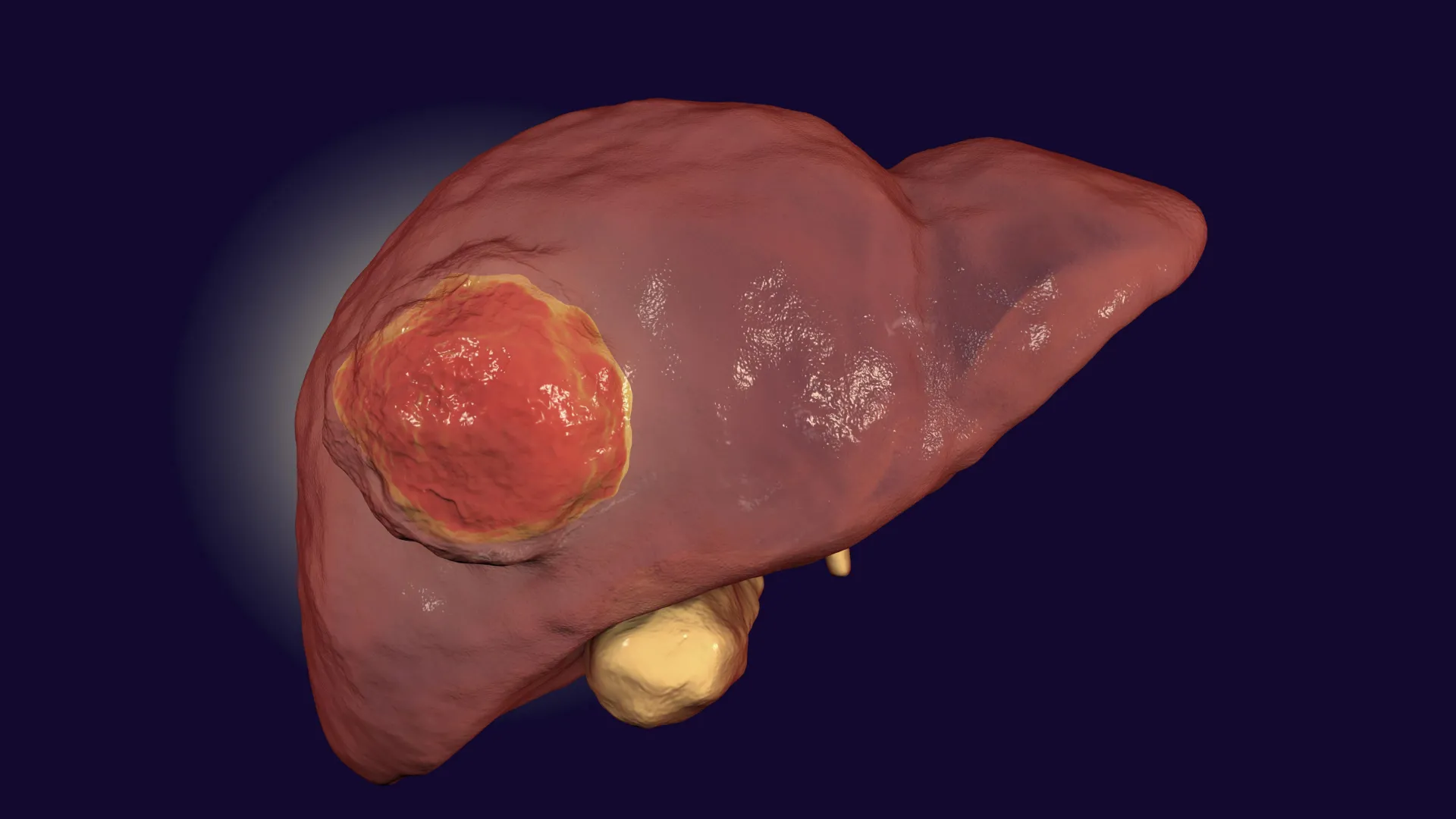
For decades, fibrolamellar carcinoma (FLC)—a rare and particularly aggressive form of liver cancer—has remained one of oncology’s most stubborn adversaries. Striking primarily children and young adults, FLC is a disease defined by its silent progression and its profound resistance to modern medicine. Unlike more common cancers that respond favorably to immunotherapy, FLC has historically proven impervious to the "checkpoint inhibitors" that have revolutionized cancer treatment in the 21st century.
However, a landmark study published in the journal Gastroenterology has finally pulled back the curtain on this resistance. By leveraging cutting-edge genetic sequencing technology, an international team of researchers has discovered that FLC tumors are not just passive clusters of malignant cells; they are active architects of their own protection. By engineering an environment that physically traps immune cells, these tumors effectively neutralize the body’s primary defense mechanism.
Crucially, the research team has identified a potential "key" to unlock this trap: an existing, FDA-approved drug that could, in theory, be repurposed to turn the tide against this devastating disease.
The Silent Predator: Understanding Fibrolamellar Carcinoma
Fibrolamellar carcinoma is an outlier in the landscape of oncology. Accounting for approximately 2% of all liver cancer cases, its rarity has historically hindered the pace of clinical research. Unlike hepatocellular carcinoma—the most common form of liver cancer, often associated with chronic liver disease—FLC typically emerges in young, otherwise healthy individuals with no prior history of liver damage.
The clinical reality for FLC patients is stark. Because the cancer often grows slowly and remains asymptomatic until it reaches an advanced stage, it is frequently discovered only after metastasis has occurred. At that point, the prognosis is often grim, with limited surgical options and few systemic therapies capable of arresting the disease’s spread. The name "fibrolamellar" itself points to the cancer’s unique histological appearance: thick, fibrous bands of tissue that weave through the tumor. For years, these bands were viewed as a diagnostic curiosity, but their role in disease progression remained an enigma—until now.
Unmasking the Immune Trap: A Chronology of Discovery
The journey to this discovery began with a fundamental question: Why does the immune system fail to recognize and eliminate FLC cells? To answer this, researchers from Cornell University and the University of Washington embarked on a multi-year investigation into the tumor microenvironment.
The Power of Single-Nucleus Transcriptomics
The breakthrough was made possible by the application of single-nucleus transcriptomics. This advanced molecular technique allows scientists to isolate the nucleus of individual cells within a tumor and map their gene expression profile with unprecedented resolution.
"It wasn’t until we were able to use this technology that the picture of the tumor microenvironment began to clear up for us," explains Andreas Stephanou, a Cornell graduate student and co-first author of the study.
By mapping these individual cells, the team observed a complex, orchestrated defense system. They discovered that the fibrous bands within the tumor are not merely structural; they are the result of "stellate cells"—normal liver cells that have been co-opted and corrupted by the cancer. Once hijacked, these stellate cells begin pumping out fibrous proteins, building a physical fortress.
T-Cell Exclusion: The Mechanism of Resistance
The most startling finding was the interaction between these altered stellate cells and the body’s T cells. In a healthy immune response, T cells infiltrate a tumor to hunt down and destroy malignant cells. In FLC, however, the stellate cells send out molecular signals that act as a "keep out" sign, effectively rerouting T cells away from the cancer and trapping them within the fibrous bands. This phenomenon, known as T-cell exclusion, is the primary reason why immunotherapy has historically failed in these patients. The immune cells are present, but they are geographically barred from reaching their target.
The Solution: Repurposing AMD3100
With the mechanism of exclusion identified, the research team turned their attention to potential interventions. If they could block the signals that divert T cells, could they force the immune system back into the fray?
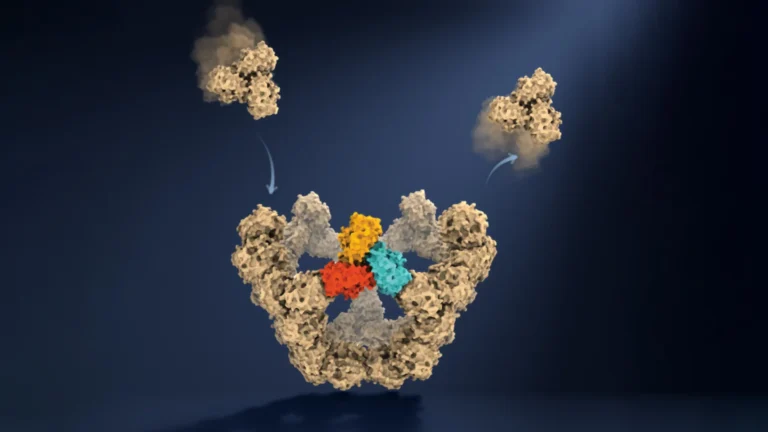
The team identified AMD3100 (plerixafor), a drug currently approved by the FDA for use in hematopoietic stem cell mobilization. Laboratory experiments using patient-derived tumor tissue yielded immediate and promising results. When the tissue was treated with AMD3100, the drug successfully interrupted the communication between the stellate cells and the T cells.
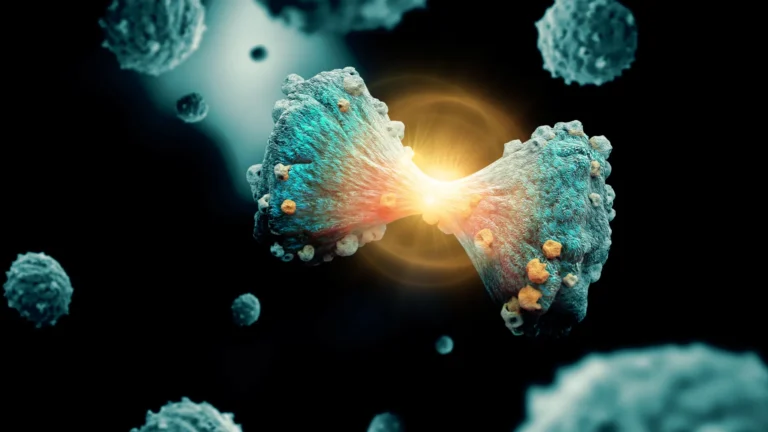
The result was a restoration of immune access. T cells were once again able to penetrate the interior of the tumor. Furthermore, when AMD3100 was administered in tandem with immune checkpoint inhibitors, the synergistic effect was profound: T-cell activation surged, leading to a significant increase in tumor cell death.
Official Perspectives: From the Lab to the Clinic
The implications of these findings have resonated throughout the medical community, offering a rare glimmer of hope for patients and families affected by FLC.
Praveen Sethupathy, professor of physiological genomics and chair of the Department of Biomedical Sciences at Cornell’s College of Veterinary Medicine, served as the study’s co-senior author. He emphasizes that while this is a critical step, it is also a conceptual victory.
"Our results provide among the first indications of why a type of immunotherapy called immune checkpoint inhibition hasn’t worked well in these patients," Sethupathy noted. "Even if this particular drug isn’t the end-all-be-all, it teaches us that this T-cell exclusion phenomenon is an important one to tackle in fibrolamellar carcinoma."
Dr. Venu Pillarisetty, a surgical oncologist at the University of Washington and the study’s co-senior author, oversaw the laboratory testing of the drug. The research team is now actively seeking collaborations with liver cancer specialists to transition these findings into the clinical trial phase.
"A compelling feature of this work is that AMD3100 is already FDA-approved," Sethupathy added. "Which can reduce risks and potentially speed up timelines for clinical trials in fibrolamellar carcinoma."
Implications for Modern Oncology
The significance of this study extends well beyond the narrow scope of FLC. Many of the most lethal cancers—including pancreatic, prostate, and certain brain cancers—remain notoriously resistant to immunotherapy. The mechanism identified by the team—the exclusion of T cells via the manipulation of the tumor microenvironment—may be a common denominator in many of these "cold" (non-responsive) tumors.
By proving that the tumor microenvironment can be "re-engineered" to allow the immune system to do its work, the researchers have opened a new front in the war against cancer. If the strategy of using small-molecule inhibitors to disrupt T-cell exclusion proves successful in clinical trials for FLC, it could provide a roadmap for treating other malignancies that have historically been considered untreatable with immunotherapy.
Looking Ahead
The path from laboratory success to standard-of-care clinical practice is rarely linear. However, the use of a pre-approved drug like AMD3100 bypasses many of the early-stage regulatory hurdles that typically stall drug development. For the FLC community, the study provides a long-awaited scientific foundation for hope.
As the researchers prepare for potential clinical trials, the focus remains on the patients. With the support of organizations like the Fibrolamellar Cancer Foundation, the scientific community is now better positioned than ever to challenge this rare disease. By breaking down the walls the cancer builds to protect itself, science is finally gaining the upper hand, proving that even the most aggressive, shielded tumors may one day be vulnerable to the power of the human immune system.