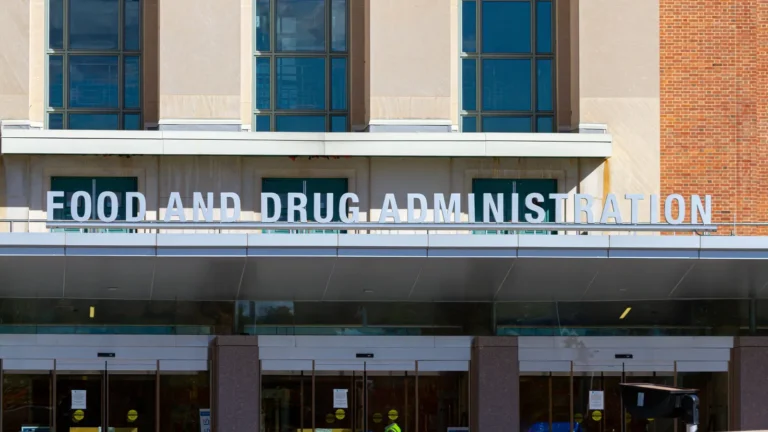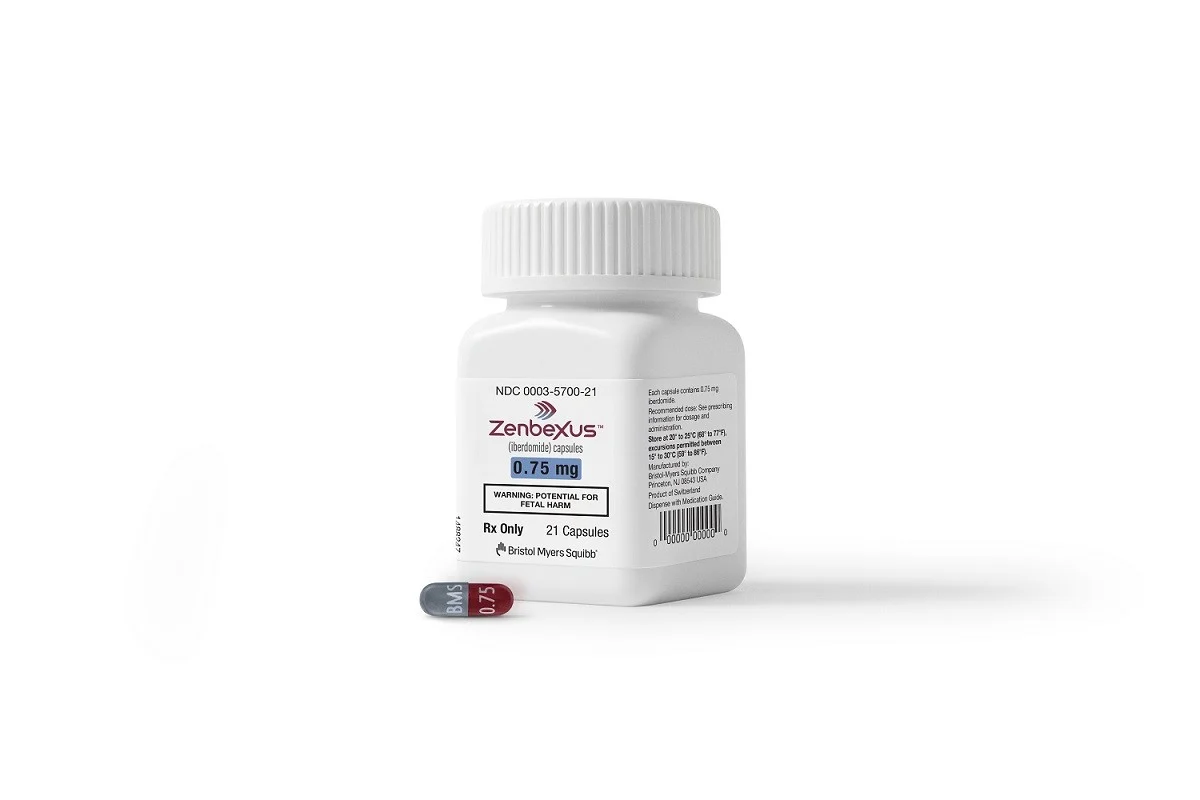
In a landmark development for hematologic oncology, the U.S. Food and Drug Administration (FDA) has granted accelerated approval to Bristol Myers Squibb’s (BMS) Zenbexus (iberdomide). This decision marks the introduction of an entirely new class of therapeutic agents known as cereblon-modulating (CELMoD) protein degraders, setting a significant regulatory precedent by becoming the first drug to receive approval based on minimal residual disease (MRD)-negative complete response rates.
For patients battling relapsed or refractory multiple myeloma, the arrival of Zenbexus—indicated for use in combination with Johnson & Johnson’s Darzalex Faspro (daratumumab and hyaluronidase-fihj) and dexamethasone—represents a shift toward more precise, mechanism-driven medicine.
The Core Facts: Understanding Zenbexus and CELMoDs
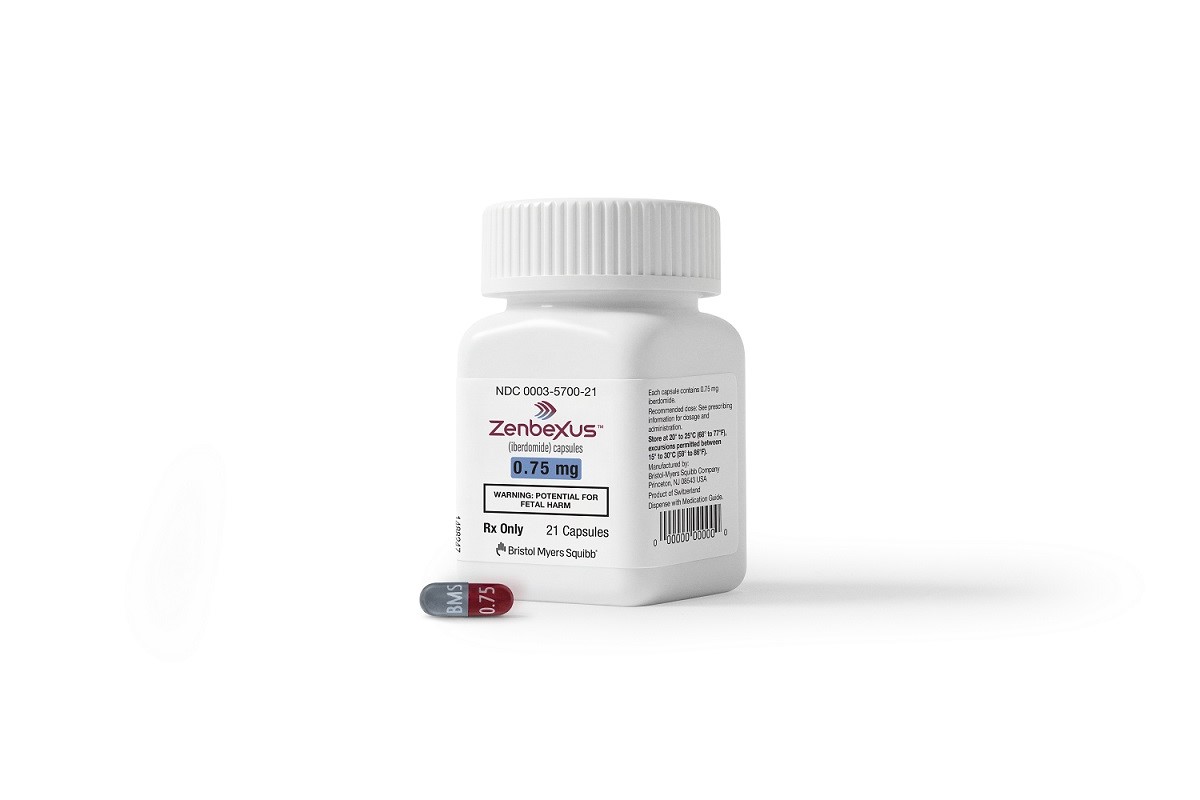
Zenbexus is a once-daily oral capsule that functions as a targeted protein degrader. Unlike traditional inhibitors that merely block the function of a disease-driving protein, CELMoDs act as molecular "matchmakers." They bind to cereblon, a component of the E3 ubiquitin ligase complex, effectively hijacking the cell’s natural "trash disposal" system. By tagging pathogenic proteins for destruction, Zenbexus forces the cell to dismantle the very mechanisms that allow multiple myeloma to thrive.
The FDA’s accelerated approval pathway allows for the authorization of drugs that fill an unmet medical need based on a surrogate endpoint—in this case, MRD-negative complete response. Because the drug is intended for adults who have already failed at least one prior line of therapy, the speed of this approval provides a critical new option in a disease landscape where resistance to existing therapies is a persistent challenge.
Chronology of Development: From Celgene to Breakthrough
The journey of Zenbexus is deeply rooted in the history of BMS and its strategic acquisition of Celgene in 2019. This $74 billion merger was largely driven by the goal of securing Celgene’s deep pipeline in hematology, specifically its expertise in immunomodulating drugs.
- 2019: Bristol Myers Squibb completes its acquisition of Celgene, inheriting a legacy of immunomodulatory research, including the blockbuster drugs Revlimid and Pomalyst.
- 2020–2025: Throughout the early 2020s, clinical research focused on the efficacy of iberdomide, with scientists refining the molecule’s ability to bind more tightly to cereblon than its predecessors.
- August 2026: Following a successful Phase 3 trial (enrolling 939 patients), the FDA grants accelerated approval to Zenbexus.
- May 2027 (Anticipated): The FDA is expected to provide a regulatory decision on mezigdomide, another CELMoD in the BMS pipeline, further cementing the company’s commitment to this new therapeutic class.
Supporting Data: Why the FDA Acted
The clinical evidence underpinning the approval of Zenbexus was derived from a rigorous Phase 3 trial comparing the triplet combination of Zenbexus, Darzalex, and dexamethasone against the standard-of-care triplet (Darzalex, Velcade, and dexamethasone).
The MRD-Negative Milestone
The trial produced compelling evidence of the drug’s potency. At a median follow-up of 16 months, 41% of patients treated with the Zenbexus regimen achieved an MRD-negative complete response. In contrast, only 21% of the comparator group reached this threshold. In the context of myeloma, "MRD-negative" indicates that cancer cells are reduced to such low levels that even ultra-sensitive laboratory tests cannot detect them.
BMS has positioned this result as a reliable predictor of long-term progression-free survival (PFS). By utilizing this measure as a primary endpoint for approval, the FDA has signaled a shift in how it evaluates myeloma treatments, prioritizing the depth of response as a key indicator of therapeutic success.
Safety and Tolerability Profile
As with any potent oncological agent, the benefits of Zenbexus must be weighed against its safety profile. Trial data revealed that approximately 7.8% of patients discontinued treatment due to adverse reactions.
- Severe Risks: The drug carries a significant risk of life-threatening infections and severe neutropenia (a drastic reduction in white blood cells).
- Common Side Effects: Patients frequently reported respiratory tract infections, fatigue, muscle pain, pneumonia, and diarrhea.
- Mortality: The trial reported 10 fatal adverse reactions, underscoring the necessity for close clinical monitoring.
Due to the drug’s structural relationship to thalidomide—a drug notorious for its historical links to birth defects—the Zenbexus label includes a "black box" warning. It is strictly contraindicated for pregnant patients, and physicians must implement rigorous cardiovascular monitoring and prophylactic anticoagulation measures for patients at risk.
Official Perspectives: A "New Foundation"
The scientific community has reacted with cautious optimism. Dr. Sagar Lonial, Chief Medical Officer of the Winship Cancer Institute of Emory University and the study’s lead investigator, emphasized the clinical significance of the approval in a statement released by BMS.
"The strong results observed with the CELMoD-based combination within a familiar triplet approach creates the potential for a new treatment foundation in multiple myeloma," said Dr. Lonial. He noted that the precision of CELMoDs allows for a more targeted strike against cancer cells, potentially offering a more durable response than legacy therapies.
BMS leadership views this as a vital turning point. As the patents for earlier-generation drugs like Revlimid face generic erosion, Zenbexus acts as the cornerstone of the company’s future strategy in blood cancer, promising to bridge the gap between initial treatment success and long-term remission.
Strategic and Financial Implications
The approval of Zenbexus is not merely a clinical milestone; it is a major financial event for the pharmaceutical industry.
Commercial Positioning
Market analysts, including Matt Phipps of William Blair, have noted that the "near-doubling" of the MRD-negative complete response rate is a highly encouraging signal for both patients and shareholders. However, the commercial success of the drug remains tied to the forthcoming data on progression-free survival, which will be critical for convincing insurers and oncology boards to prioritize Zenbexus over existing treatments.
Pricing and Market Forecast
BMS has set the list price for Zenbexus at $29,500 per 28-day treatment cycle. While this figure is higher than some initial analyst estimates, the financial outlook remains bullish. Current forecasts from Wall Street suggest that annual U.S. sales for the drug could exceed $1 billion by 2031.
The strategy is clear: BMS intends to phase out reliance on its older, patent-expired portfolio in favor of this new, proprietary class of CELMoD therapies. By testing iberdomide and mezigdomide head-to-head against legacy drugs, the company is effectively aiming to displace its own older products, ensuring it retains its dominant market share in the multiple myeloma space.
Conclusion: The Path Forward
The approval of Zenbexus marks the beginning of a new chapter in the treatment of multiple myeloma. By leveraging the body’s own protein-disposal mechanism, BMS has delivered a therapy that is both biologically elegant and clinically potent.
As the medical community awaits further long-term survival data, the focus will shift toward optimizing the patient experience—managing side effects, ensuring adherence, and defining the ideal sequence for this new class of medicine. For now, however, the approval serves as a powerful reminder of the progress being made in oncology, offering a new line of defense for those for whom time is the most precious resource.