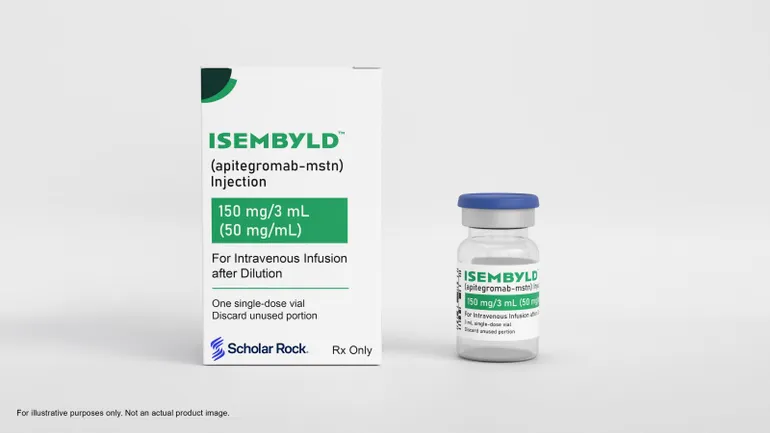
In a milestone development for the rare disease community, the U.S. Food and Drug Administration (FDA) has officially approved Isembyld (apitegromab), a groundbreaking therapy designed to treat Spinal Muscular Atrophy (SMA). Developed by Scholar Rock, the medication marks a distinct shift in the treatment landscape, serving as the first muscle-targeted therapy for children aged two and older, as well as adults, living with the debilitating genetic condition.
The approval, confirmed this past Friday, offers a new avenue for patients who have historically relied on gene-targeting or oral therapies that, while life-saving, often leave gaps in motor function recovery. With a list price set at approximately $310,000 annually—though actual costs will fluctuate based on patient weight and insurance coverage—Isembyld is poised to become a central component of the standard of care for thousands of individuals.
The Evolution of SMA: From Supportive Care to Precision Medicine
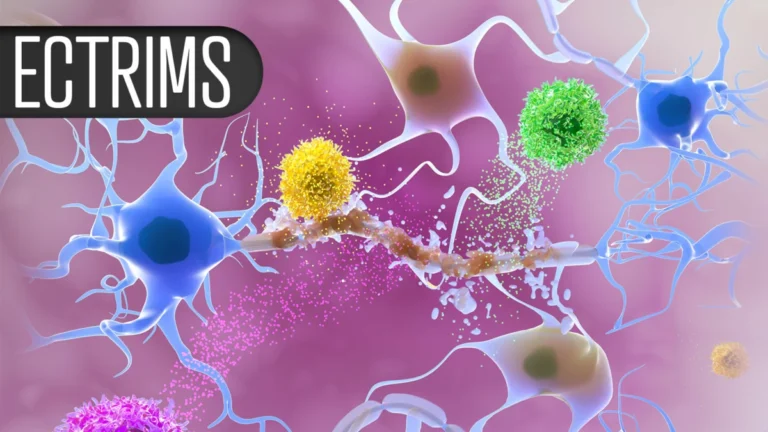
To understand the magnitude of this approval, one must look back at the medical reality of SMA just a decade ago. Prior to 2016, SMA was a diagnosis defined by a lack of options. It is an inherited, progressive neuromuscular disease characterized by the loss of motor neurons, leading to muscle weakness and atrophy. In its most severe form—Type 1 SMA—the condition is typically fatal in infancy.
For decades, the medical community’s role was limited to supportive therapy: physical therapy, bracing, and respiratory assistance. The prognosis was bleak, and the focus was almost entirely on symptom management rather than disease modification.
A Decade of Transformation
The landscape underwent a seismic shift starting in 2016. The FDA’s approval of three distinct therapies revolutionized the outlook for SMA patients:
- Biogen’s Spinraza: A gene-targeting drug that introduced the first real hope for stabilization.
- Novartis’s Zolgensma: A one-time gene therapy that targeted the root cause of the condition.
- Roche’s Evrysdi: An oral medication that provided a convenient, systemic treatment option.
These therapies successfully prevented early mortality and enabled many children to reach developmental milestones that were previously impossible. However, clinicians and patient advocacy groups noted a persistent ceiling: while these drugs saved lives, they did not fully restore muscle strength or reverse the motor decline inherent in the disease. This is where Scholar Rock’s Isembyld aims to bridge the gap.
How Isembyld Works: Targeting the Myostatin Pathway
Unlike previous treatments that focus on the survival motor neuron (SMN) protein, Isembyld takes a different tactical approach. It is a monoclonal antibody that selectively inhibits the activation of myostatin, a protein that naturally acts as a "brake" on muscle growth.
By blocking this protein, Isembyld encourages muscle development and preservation, even in the presence of the underlying genetic defect. In clinical trials, the drug demonstrated the ability to significantly improve motor function in patients who were already receiving standard-of-care SMN-targeted therapies. For patients experiencing plateaued progress, the addition of Isembyld offers the potential for meaningful functional gains, such as increased mobility and endurance.
Chronology of a Corporate Turnaround
The road to approval was far from linear. For years, Scholar Rock was a mid-tier biotech entity with a share price hovering around $10. The company’s trajectory changed in late 2024, when data from its phase 3 clinical trials indicated that apitegromab was not only safe but highly effective.
Overcoming Manufacturing Hurdles
The path to the FDA’s green light was nearly derailed in September 2025, when the agency rejected the company’s initial application. The rejection was not due to the drug’s efficacy, but rather due to quality control concerns at a third-party “fill-finish” manufacturing facility.
This rejection triggered a year of intense restructuring:
- Late 2025: Scholar Rock initiated a comprehensive overhaul of its management team and strategic operations.
- Early 2026: The company aggressively built out a commercial sales force, signaling its intent to transition from a clinical-stage firm to a fully independent, commercial-stage powerhouse.
- August 2026: In a decisive move, the company severed ties with the problematic manufacturing facility, replaced it with an FDA-compliant plant, and submitted a new regulatory application.
- September 2026: The FDA granted final approval, validating the company’s pivot and its new production strategy.
Analysts at Leerink Partners have been bullish on the company’s prospects, projecting that Isembyld could generate as much as $2 billion in peak annual sales, a figure that highlights both the high unmet need and the high cost of rare disease specialty pharmaceuticals.
Official Responses and Stakeholder Impact
The approval has been met with significant enthusiasm from the advocacy community, which has long campaigned for therapies that go beyond mere survival to focus on quality of life and physical autonomy.
Kenneth Hobby, president of the prominent advocacy group Cure SMA, lauded the approval in a statement released by Scholar Rock. "Improving motor function is a significant unmet need that must be addressed with urgency," Hobby stated. He noted that the clearance provides access to a "broad population" of patients, potentially impacting thousands of lives.
From the corporate side, Scholar Rock leadership has positioned Isembyld as a "therapeutic breakthrough." By framing the drug as the first "muscle-targeted" treatment, they are distinguishing their product from the existing SMN-based portfolio, positioning it as an essential "add-on" therapy rather than a competitor.
Clinical Considerations and Safety Profile
While the medical community celebrates the efficacy of Isembyld, the FDA’s prescribing information includes important safety disclosures that clinicians must monitor.
Managing Potential Risks
According to analyst Basma Radwan of Leerink Partners, the inclusion of a warning regarding a potential increase in the risk of bone fractures was somewhat "unexpected." While clinical trial data did not show a high incidence of fractures, the warning serves as a cautionary note for patients who may already have compromised bone density—a common secondary complication of SMA due to limited mobility and muscle force.
Crucially, the warning did not deter participation in trials, and none of the trial participants discontinued the drug due to these concerns. Other reported side effects include:
- Upper respiratory tract infections
- Vomiting
- Viral infections
- Headaches
Physicians are expected to balance these manageable side effects against the clear benefits in motor function that the drug provides.
Broader Implications for the Biotech Industry
The approval of Isembyld carries implications that extend beyond SMA. First, the success of the drug validates the "myostatin-inhibition" strategy, which may be explored for other neuromuscular disorders. Second, the story of Scholar Rock’s recovery after a regulatory rejection serves as a playbook for other biotech companies: demonstrating that a firm’s ability to pivot its supply chain and manufacturing partners is just as vital as its ability to conduct successful clinical research.
Furthermore, the award of a priority review voucher by the FDA provides Scholar Rock with a high-value asset. These vouchers, which accelerate the review process for future drugs, are often sold by smaller companies to large pharmaceutical conglomerates for nine-figure sums, providing a significant capital injection to fund further R&D.
The Future of SMA Care
As the industry looks forward, the focus will likely shift toward combination therapies. The ability to combine SMN-targeted drugs (which stabilize the disease) with muscle-targeted drugs (which enhance function) represents the "Holy Grail" of neuromuscular medicine.
With approximately 10,000 to 25,000 individuals in the U.S. living with SMA, the introduction of Isembyld is a transformative event. It signals a move away from the era of "keeping patients alive" toward an era of "enabling patients to thrive." As the drug reaches the market, the coming months will provide critical real-world data on how this novel mechanism of action integrates into the lives of patients, ultimately shaping the next decade of SMA care.