


Introduction: The Persistent Shadow of an Ancient Killer
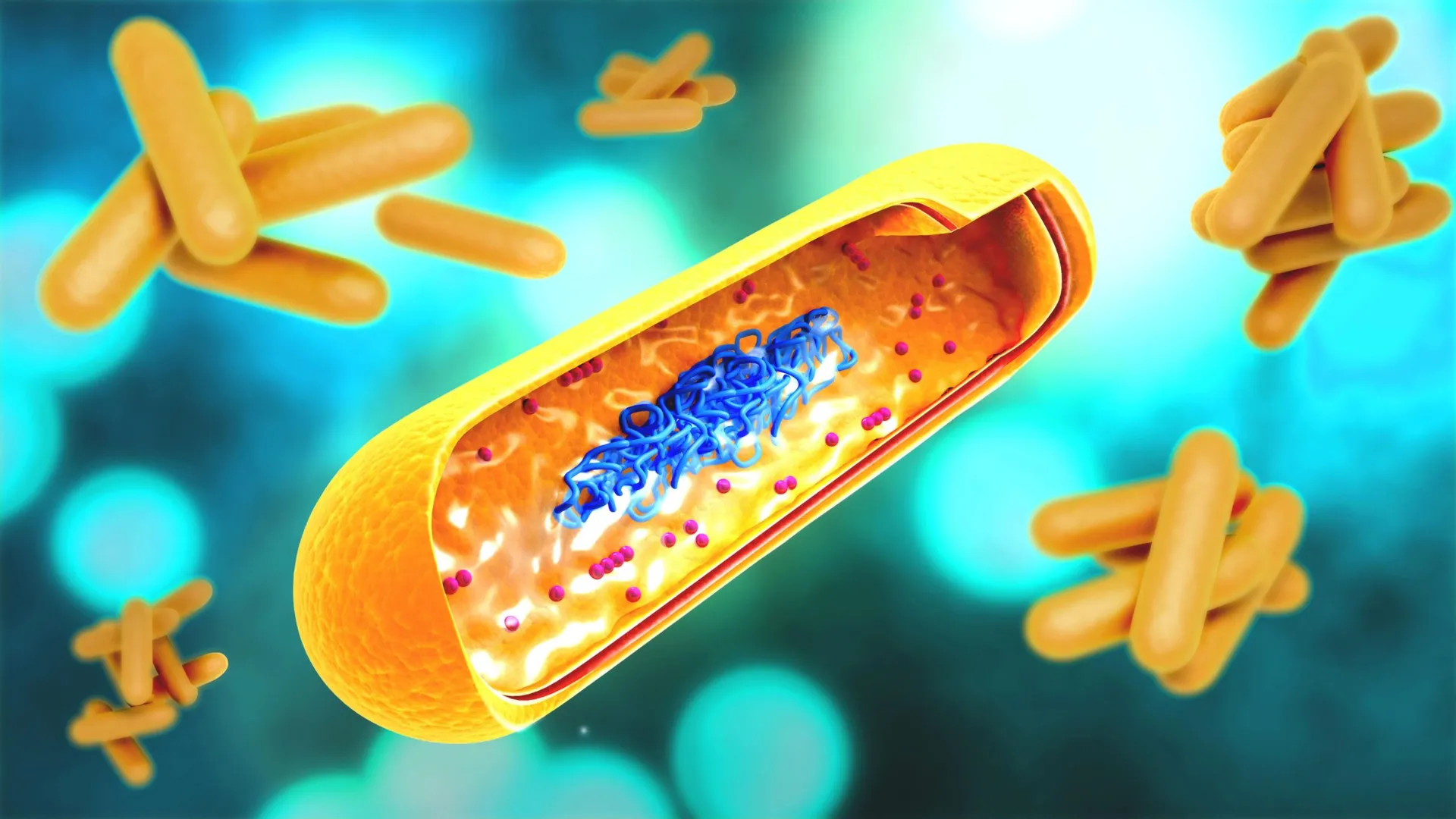
For over 6,000 years, Mycobacterium tuberculosis has haunted humanity, evolving alongside us and cementing its status as one of the most formidable pathogens in existence. Despite the availability of antibiotics, the disease remains a global health crisis. According to the World Health Organization (WHO), nearly two billion people—one-quarter of the global population—carry a latent tuberculosis (TB) infection. In 2024 alone, over 10 million people developed active TB, resulting in 1.2 million deaths. It remains the leading cause of death from a single infectious pathogen, a grim statistic that highlights the urgent need for a paradigm shift in treatment.
A team of researchers at Johns Hopkins Medicine and the Johns Hopkins Bloomberg School of Public Health has unveiled a promising new strategy that could rewrite the playbook on TB management. By developing an experimental, intranasally delivered DNA vaccine, the team is targeting the "Achilles’ heel" of the bacteria: the so-called "persisters." These drug-tolerant bacteria are capable of surviving long-term antibiotic regimens, lying dormant in the body before reawakening to trigger a devastating relapse. The study, recently published in the Journal of Clinical Investigation, suggests that this therapeutic vaccine could serve as a powerful adjunct to current treatments, potentially shortening therapy and offering a lifeline to patients battling drug-resistant forms of the disease.
Chronology: From Lab Bench to Preclinical Promise
The journey toward this breakthrough began with a fundamental question: Why do standard antibiotic treatments so often fail to fully eradicate the disease? The answer lies in the bacteria’s sophisticated defense mechanisms.
The Mechanism of Persistence
TB bacteria have evolved to survive in hostile environments, including those characterized by low oxygen, nutrient limitation, and the chemical onslaught of antibiotics. They achieve this by entering a "persister" state, governed by specific genes such as relMtb. This gene produces a protein that effectively signals the bacteria to shut down their metabolic processes, rendering them impervious to drugs that only target actively replicating microbes.
The Development of the Fusion Vaccine
Recognizing this, the Johns Hopkins team, led by Dr. Styliani Karanika, designed a fusion DNA vaccine. By combining the relMtb gene with the Mip3α gene, the researchers created a biological beacon. When delivered intranasally, this vaccine acts as an immunotherapeutic tool.
- The Mip3α Component: This serves as a chemical attractor, drawing immature dendritic cells—the immune system’s "scouts"—to the site of the vaccine.
- The Antigen Presentation: These dendritic cells pick up the bacterial proteins and "present" them to T cells, the immune system’s elite soldiers.
- The Result: The body is trained to recognize and destroy the dormant, drug-tolerant bacteria that antibiotics typically miss.
Testing and Validation
The research followed a rigorous progression:
- Initial Mouse Models: The vaccine was administered alongside standard first-line TB drug therapy. The results were striking: infected mice cleared the bacterial load faster, exhibited significantly reduced lung inflammation, and, crucially, were protected against relapse after the antibiotic course concluded.
- Synergy with Advanced Therapies: Researchers tested the vaccine in combination with the potent drug cocktail of bedaquiline, pretomanid, and linezolid. The vaccine enhanced the efficacy of these drugs, suggesting a potential future role in treating multidrug-resistant (MDR) TB.
- Nonhuman Primate Study: To bridge the gap to human physiology, the team evaluated the vaccine in rhesus macaques. The results confirmed that the intranasal delivery triggered robust, TB-specific immune responses in both the bloodstream and the respiratory airways, mirroring the positive indicators seen in mice.
Supporting Data: Why Intranasal Delivery Matters
The decision to deliver the vaccine through the nose is not a matter of convenience; it is a strategic immunological choice.
Localized Immunity
Traditional vaccines often aim for systemic (whole-body) immunity. However, because TB is a respiratory infection that begins in the mucosal tissues of the lungs, local defense is paramount. By administering the vaccine intranasally, the researchers are generating long-lasting, localized T-cell immunity exactly where the infection takes hold.
Durable Responses
In the primate study, the immune responses generated by the DNA vaccine were measurable and persistent, lasting for at least six months. This durability is essential for preventing long-term relapse in human patients. Furthermore, the vaccine successfully mobilized both CD4 (helper T cells) and CD8 (killer T cells), creating a multi-layered defense strategy that prevents the bacteria from "hiding" in the lung tissue.
Technological Advantages
DNA vaccines are inherently stable and lend themselves to efficient, large-scale production. In the context of global health, where cold-chain logistics (the need to keep vaccines at extremely low temperatures) can be a barrier to distribution, a stable DNA-based platform offers significant logistical advantages.
Official Responses and Expert Perspectives
Dr. Styliani Karanika, lead author and assistant professor at the Johns Hopkins University School of Medicine, emphasizes that this vaccine represents a transition from "killing" to "empowering."
"Administered together with first-line TB drug therapy, our intranasal DNA fusion vaccine helped infected mice clear the disease bacteria faster," Dr. Karanika stated. She noted that the primate data are particularly encouraging because they provide a "translational bridge" between initial efficacy studies and the rigorous preclinical work required before human clinical trials can commence.
While the primate study assessed immune activation rather than direct challenge against an active infection, the consistency of the immune markers gives the team high confidence. The researchers are clear that while this is a significant milestone, it is not the final step. Extensive safety and efficacy testing remain mandatory before this technology can be brought to patients in clinical settings.
Implications: A New Era for TB Therapeutics
The implications of this research extend far beyond the laboratory. If successful in human trials, this approach could address three of the most significant challenges in modern TB control:
1. Reducing Treatment Duration
Standard TB treatment is notoriously difficult to complete, often requiring months of daily medication. By using the vaccine to clear persistent bacteria that would otherwise force a longer treatment period, the medical community could potentially shorten the length of therapy, drastically improving patient adherence and outcomes.
2. Combating Drug Resistance
As drug-resistant TB strains continue to evolve and spread, the medical community is running out of effective antibiotic options. An immunotherapeutic approach—one that boosts the body’s own capacity to fight the bacteria—provides a necessary alternative to the traditional "more drugs, stronger drugs" approach.
3. A Strategic Shift to Immunotherapy
The study supports a broader shift in infectious disease management: focusing on host-directed therapy. By targeting the "persisters" through the immune system, the vaccine changes the nature of the fight from a purely chemical attack to an intelligent, biological response.
A Collaborative Global Effort
The scale of this project is reflected in the diverse team of researchers involved, including experts from the Johns Hopkins Center for Tuberculosis Research and various departments within the School of Medicine. The research was supported by a wide array of funding bodies, including the National Institutes of Health (NIH), the Gilead HIV Research Scholar Award, and the Potts Memorial Foundation. This level of institutional and external support underscores the global priority placed on solving the TB crisis.
Conclusion: The Path Forward
The Johns Hopkins study is a testament to the power of targeted, innovative biotechnology. By fusing the genes that govern bacterial persistence with those that orchestrate immune recruitment, researchers have created a potential breakthrough that addresses the most stubborn aspects of the tuberculosis infection cycle.
While we remain in the pre-clinical stage, the evidence is compelling. The combination of localized respiratory immunity, enhanced drug synergy, and the ability to prevent relapse makes this intranasal DNA vaccine a beacon of hope. As the team moves toward the next phase of development, the global health community will be watching closely. If this vaccine can translate its success in animal models to human patients, we may finally be witnessing the beginning of the end for one of humanity’s oldest and deadliest biological adversaries.
The battle against Mycobacterium tuberculosis is long, but with each scientific stride—especially those that leverage the body’s own internal defenses—we move closer to a world where TB is no longer the leading cause of death from an infectious pathogen. The next chapter for this vaccine will be defined by the rigorous path toward human trials, a journey that could fundamentally change how we manage and ultimately defeat this ancient disease.