







For decades, the medical community has operated under a foundational understanding of oncology: tumor suppressor genes are the body’s sentinels, and their dysfunction—often through mutation or deletion—is the primary driver of uncontrolled cellular growth. We have viewed DNA repair mechanisms as strictly protective, assuming that more repair capacity is inherently better. However, a groundbreaking study from Penn State College of Medicine, recently published in Nature Communications, challenges this binary view, revealing that in the delicate machinery of the cell, "too much of a good thing" can be catastrophic.
The research identifies the gene EXO1 as a double-edged sword. While it serves a vital role in maintaining genomic integrity, its overexpression creates a biochemical environment that mimics the very genetic vulnerabilities we associate with hereditary cancers, such as those caused by BRCA mutations. This discovery does not just clarify a mechanism of DNA damage; it offers a potential roadmap for expanding targeted cancer therapies to a much broader patient population.
The Mechanism of Destruction: When Scissors Turn Against the Genome
To understand why EXO1 is a critical focus of this research, one must first understand its standard biological function. Under healthy conditions, the EXO1 protein acts as a pair of molecular scissors. Its job is to trim away damaged, mismatched, or broken segments of DNA, allowing other proteins to step in and fill the gaps with the correct genetic sequence. It is an essential component of the cellular maintenance crew.
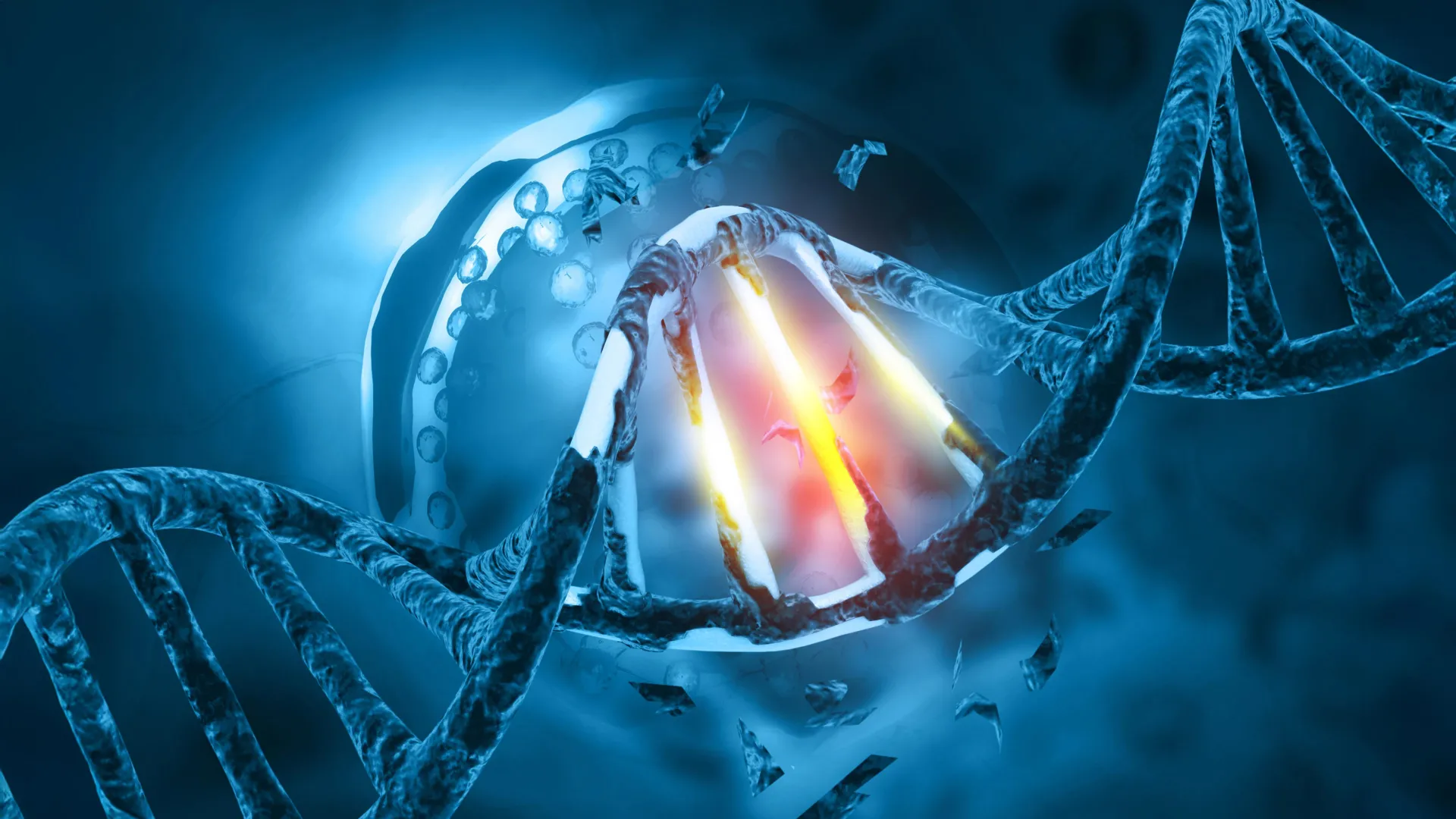
However, the team at Penn State discovered that when EXO1 is overexpressed—present in quantities far beyond what the cell requires—it loses its precision. Instead of acting as a surgical tool, it begins to behave like a destructive force, cutting into healthy, intact DNA structures during the replication process.
"Under normal conditions, EXO1 functions like a pair of molecular scissors, helping trim and repair damaged DNA," explains the research team. "However, when too much EXO1 is present, those scissors begin cutting DNA structures that should remain intact."
Through sophisticated laboratory analysis of human cancer cells, the researchers identified two specific ways this damage occurs. First, excess EXO1 expands single-stranded DNA gaps, which are vulnerable sites in the genome. Second, it degrades "reversed replication forks," which are temporary, protective structures cells build to stall replication when they encounter an error. By breaking down these structures, excess EXO1 prevents the cell from successfully completing its replication cycle, leading to the accumulation of toxic lesions, such as double-strand breaks. These breaks are essentially "genetic fractures" that, if not addressed, lead to cell death or, ironically, further genomic instability.
Chronology of Discovery: From Genomic Data to Bench Science
The path to this discovery began with a macro-level investigation of existing genomic data. Utilizing The Cancer Genome Atlas—a massive, public-access database curated by the National Cancer Institute—the researchers scrutinized the genetic profiles of thousands of tumors.
They observed a consistent trend: in 20% to 30% of breast and ovarian cancers, as well as a significant portion of melanomas, testicular, cervical, and hepatobiliary cancers (including liver and bile duct tumors), the EXO1 gene was consistently overexpressed. The correlation was most striking in basal-like breast cancer, a subtype known for its aggressive nature and poor prognosis.
Following the identification of this trend, the team transitioned to the laboratory to prove causality. Using commercially available human cancer cell lines, the scientists artificially dialed up EXO1 production. To ensure the observed destruction was a result of the protein’s activity and not just its physical presence, they engineered a "disabled" version of EXO1—a protein that existed in the cell but lacked its signature "cutting" biochemical activity. When they found that the disabled protein did not cause the same damage, it confirmed that the excessive activity of EXO1 was the root cause of the genomic instability.
Supporting Data: The BRCA Mimicry
Perhaps the most significant finding of the study is that EXO1-overexpressing tumors behave in a way that is almost indistinguishable from BRCA-mutant tumors.
BRCA genes (BRCA1 and BRCA2) are responsible for producing proteins that shield vulnerable DNA during the replication process. When a patient has a BRCA mutation, that protective shield is lost, making the cancer cells uniquely dependent on specific, alternative repair pathways. This "BRCA-ness" has long been the target of PARP inhibitors like olaparib, which exploit this dependency to kill cancer cells while sparing healthy ones.
The Penn State researchers discovered that even in the absence of a BRCA mutation, the excessive activity of EXO1 effectively "breaks" the same pathways that a BRCA mutation would. It creates an environment where the cell is frantically trying to manage DNA gaps and breaks, leaving it highly vulnerable to the same class of drugs that are currently reserved for hereditary cancer patients.
"Mechanistically, this overexpression does exactly what the loss of the BRCA pathway does in BRCA-mutant tumor cells," noted Dr. George-Lucian Moldovan, senior author of the study and professor of molecular and precision medicine.
Official Perspectives: Shifting the Paradigm of Precision Medicine
The implications of this study are profound for the field of precision oncology. Dr. Moldovan and lead author Dr. Alexandra Nusawardhana, who recently completed her doctorate at the Penn State College of Medicine, argue that this discovery provides a new, actionable biomarker.
"EXO1 doesn’t predict cancer risk, but it could potentially serve as a biomarker to help predict which patients are more likely to respond to certain chemotherapy treatments," Dr. Moldovan said. By using EXO1 expression levels as a diagnostic tool, oncologists could identify patients who are candidates for therapies they might have otherwise been excluded from.
The team tested this hypothesis using olaparib. In their laboratory models, tumors with elevated EXO1 were highly sensitive to the drug, mirroring the response seen in BRCA-mutant cancers. Furthermore, the researchers tested cisplatin, a traditional chemotherapy agent. They found that tumors overexpressing EXO1 were particularly susceptible to cisplatin, suggesting that clinicians might eventually be able to use lower, less toxic doses of this potent drug to achieve the same therapeutic results, thereby reducing the burden of side effects on the patient.
Future Implications: Moving Toward Personalized Care
The potential to repurpose existing, FDA-approved drugs for a wider demographic is the hallmark of translational research. If confirmed in clinical trials, the use of EXO1 as a biomarker would fundamentally change how we treat some of the most aggressive forms of cancer.
"We shouldn’t treat cancers based on what tissue they come from but based on the landscape of the genetic mutations present in the tumors," Dr. Moldovan asserted. "That would result in high-efficiency treatment. That’s the future of cancer treatment."
While the research team is careful to note that EXO1 overexpression is not an inherited condition—unlike the BRCA mutation—and it remains to be proven whether it is a primary driver of cancer or a secondary consequence of tumor evolution, the clinical promise is undeniable. The research group is already looking toward the next phase of development: designing clinical trials that will test these findings in human patients.
By moving beyond the traditional tissue-of-origin approach and embracing the genetic landscape of individual tumors, the medical community is inching closer to a reality where cancer therapy is as unique as the patient’s own DNA. With the support of the National Institutes of Health and Four Diamonds, the Penn State team’s work serves as a reminder that the most innovative solutions in oncology often come from re-examining the proteins we thought we already understood. As the landscape of precision medicine continues to expand, EXO1 may well become a key indicator in the fight against aggressive, hard-to-treat malignancies.