











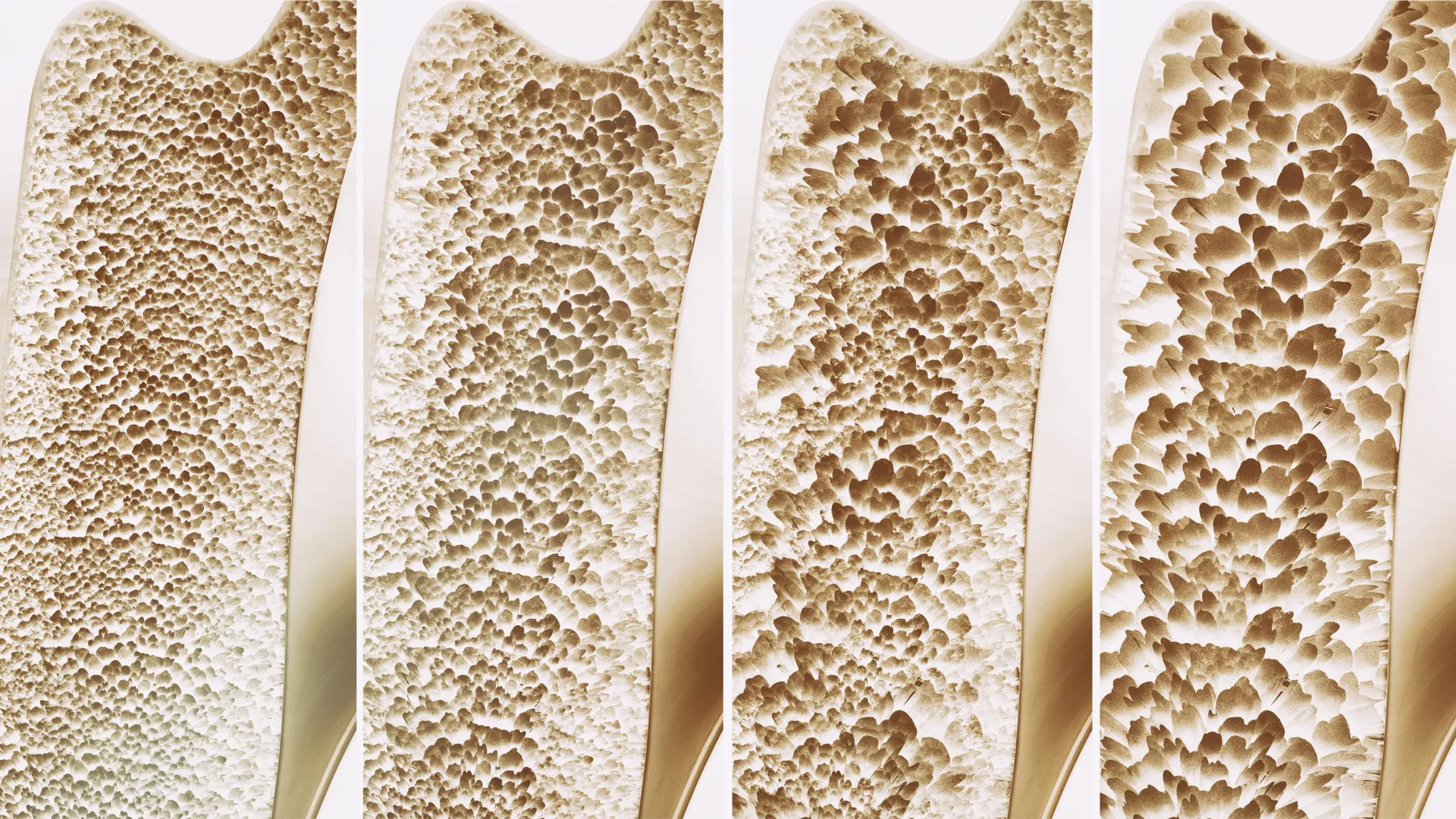
For decades, the standard medical advice for aging populations has been as predictable as it is ubiquitous: take your calcium and vitamin D to keep your bones strong and avoid the debilitating fractures that plague the elderly. It has been a cornerstone of geriatric care, endorsed by professional medical associations and regulatory bodies alike. However, a landmark comprehensive review published in The BMJ has shattered this long-standing clinical dogma, suggesting that for the vast majority of older adults, these supplements offer little to no clinically meaningful benefit in preventing falls or fractures.
This revelation arrives at a critical juncture in public health. As the global population ages, the search for effective interventions to maintain mobility and independence has become paramount. With millions of seniors relying on daily supplementation, the implications of these findings are profound, potentially forcing a massive shift in how doctors prescribe preventative care for bone health.
The Gravity of the Problem: Why Falls Matter
To understand why the medical community has clung so tightly to the idea of supplementation, one must first understand the staggering scale of the problem. Falls represent a primary threat to the longevity and quality of life of the elderly. Statistical data indicates that approximately one in three individuals aged 65 and older experiences at least one fall annually.
The consequences of these incidents extend far beyond the immediate physical trauma. A fall in an older adult can be a sentinel event, leading to a cascade of complications. Fractures—particularly of the hip, spine, and wrist—often result in acute pain, a loss of mobility, and a significant reduction in independence. The psychological toll is equally severe, with many seniors developing a "fear of falling," which leads to self-imposed activity restrictions, social isolation, and rapid physical decline. In many cases, these injuries necessitate a transition from independent living to long-term residential care, placing an enormous burden on both families and healthcare systems.
Chronology: A History of Uncertain Evidence
The efficacy of calcium and vitamin D has been a subject of intense scientific debate for years. While the supplements were initially championed based on physiological theories—that calcium builds bone density and vitamin D aids in calcium absorption—clinical results have historically been inconsistent.
- Early Assumptions: Initial clinical observations suggested a clear link between nutrient deficiency and bone fragility, leading to the widespread adoption of supplementation.
- The First Doubts: Over the last decade, several smaller meta-analyses began to raise red flags. Research consistently failed to demonstrate a reduction in fracture risk from calcium alone, while data on vitamin D remained contradictory.
- The Rising Tide of Prescriptions: Despite these inconsistencies, the medical establishment doubled down. Professional guidelines and regulatory agencies continued to promote supplementation as a preventative strategy. Consequently, prescription rates for these supplements have climbed steadily, fueled by a healthcare culture that often prioritizes pharmacological intervention over lifestyle adjustments.
- The Current Turning Point: The new analysis, which synthesizes a massive body of randomized controlled trial (RCT) data, represents the most robust effort to date to settle the controversy, moving the consensus away from routine supplementation.
Supporting Data: An Analysis of 153,902 Participants
The sheer scale of the study published in The BMJ sets it apart from previous inquiries. A team of researchers based in Canada conducted a comprehensive review of 69 randomized controlled trials, encompassing a total of 153,902 participants. The objective was to evaluate the impact of calcium, vitamin D, or a combination of both against a placebo or no treatment.
The researchers employed rigorous methodology to ensure the integrity of their findings. Each trial was scrutinized for potential bias, and the certainty of the evidence was graded using established scientific frameworks. The results were stark:
- Calcium Supplementation: Analyzing 11 trials with 9,067 participants, researchers found moderate-certainty evidence that calcium offered little to no reduction in overall fracture risk.
- Vitamin D Supplementation: Analyzing 36 trials with 92,045 participants, the team found high-certainty evidence that vitamin D provided no significant benefit in preventing fractures.
- Combined Supplementation: Perhaps most significantly, the analysis of 15 trials with 51,126 participants—the "gold standard" of the current protocol—showed high-certainty evidence that combining the two supplements yielded no meaningful improvement in bone safety or fall reduction.
The researchers accounted for a wide range of variables, including age, sex, prior history of fractures, previous falls, and even the baseline dietary intake of calcium. Regardless of these adjustments, the results remained consistently null. This durability of evidence across diverse subgroups provides a compelling case that the current practice is ineffective for the general population.
Nuance and Exceptions: Who Might Still Benefit?
While the findings are sweeping, the researchers are careful to delineate the boundaries of their conclusions. The study does not claim that calcium and vitamin D are useless in all medical contexts. Rather, they argue against the routine use of these supplements as a blanket policy for healthy older adults.
The authors explicitly note that their findings may not apply to individuals with specific, diagnosed bone disorders, such as severe osteoporosis, or those currently undergoing pharmacological treatment for bone-related conditions. In these cases, the biochemical profile of the patient is distinct, and the requirements for bone maintenance may exceed what can be managed through dietary intake alone. Additionally, the researchers acknowledge that some sub-analyses within the study relied on fewer participants, suggesting that while the main conclusion is robust, there is always room for further investigation into niche demographics.
Official Responses and Clinical Implications
The medical community is currently in a state of recalibration. The authors of the study have issued a clear call to action: clinicians, guideline panels, and regulatory agencies should re-evaluate their general recommendations for calcium and vitamin D supplementation. The era of "prescribe by default" appears to be drawing to a close.
Regulatory bodies are now faced with the challenge of revising guidelines that have been in place for decades. This is no small feat, as medical practice guidelines are slow to change, and the supplement industry is vast. However, the strength of the evidence presented in The BMJ makes it increasingly difficult for institutions to justify the status quo.
The findings are expected to trigger a significant shift in clinical practice. Healthcare providers are now being encouraged to move away from the "one-size-fits-all" pill approach and toward more nuanced, individualized assessments of a patient’s actual nutritional needs and bone health status.
A Shift in Focus: Proven Strategies for Fall Prevention
Perhaps the most constructive takeaway from this research is the shift in focus toward interventions that actually work. In a linked editorial, independent experts emphasized that the resources currently funneled into millions of supplement prescriptions might be better redirected toward evidence-based strategies that have demonstrated a tangible impact on fall reduction.
The New Gold Standard for Prevention:
- Balance Training: Structured programs that challenge the proprioceptive systems of the body have been proven to significantly improve stability in older adults.
- Resistance Exercise: Strengthening the core and lower body muscles is vital for maintaining the ability to recover from a trip or stumble.
- Home Hazard Assessment: Simple modifications—such as removing trip hazards, improving lighting, and installing grab bars—are among the most cost-effective ways to prevent the environmental triggers of falls.
- Personalized Risk Management: Rather than relying on a universal pill, the future of geriatric care lies in multidisciplinary programs that combine exercise, medication review (to reduce dizziness or drowsiness), and patient education tailored to an individual’s specific lifestyle.
Conclusion: Reclaiming Health Through Evidence
The message from the latest research is not one of neglect, but of refinement. By acknowledging that pills cannot substitute for functional movement and environmental safety, the medical community can move toward a more sophisticated and effective approach to aging.
While the loss of a "magic bullet" in the form of calcium and vitamin D might feel like a setback, it is actually an opportunity. By pivoting away from ineffective routines, healthcare systems can focus on the interventions that truly allow seniors to maintain their independence, mobility, and dignity. The evidence is clear: the path to stronger bones and fewer falls is not found in a bottle, but in the active, deliberate management of one’s physical health and environment. As the scientific community continues to refine these findings, the hope is that patients and providers alike will embrace this evidence-based transition, prioritizing proven lifestyle interventions over the widespread—and ultimately ineffective—routine of over-supplementation.