






For many individuals, the journey into their 60s brings about a profound shift in body composition that defies simple calorie counting. While conventional wisdom often focuses on the number on the scale, the reality of "belly overhang"—medically referred to as a panniculus—is far more complex. It is not merely a byproduct of weight gain, but rather a manifestation of hormonal fluctuations, metabolic shifts, and the natural loss of muscle mass that occurs with age.
Addressing this shift is not just an aesthetic goal; it is a critical investment in long-term health. Understanding why this happens and how to counteract it through targeted, functional movement is the key to maintaining mobility, spinal health, and overall well-being in the later chapters of life.
The Physiology of Aging: Why Belly Fat Accumulates
To effectively address belly overhang, one must first understand the biological landscape of the aging body. As we move past the age of 60, our bodies undergo significant physiological changes that alter how we store and burn energy.
Nicolle Lopez-Lamberty, a Certified Pilates Instructor and Founder & CEO of NuPilates, explains that this transition is multifaceted. "Belly overhang becomes more common after 60 because of a combination of hormonal, muscular, and age-related changes, not simply because of weight gain," she notes.
For women, the process begins much earlier. Testosterone levels, which contribute to muscle strength and maintenance, begin a steady decline in the 30s. This is followed by the onset of menopause, which triggers a significant drop in estrogen. Estrogen is a key regulator of fat distribution; when it decreases, the body shifts its fat storage preference away from the hips and thighs and directly toward the abdominal cavity. Simultaneously, the natural loss of muscle mass—sarcopenia—slows the basal metabolic rate, making it increasingly difficult for the body to maintain the core tension necessary to support the midsection.
The Health Implications of the "Apron Belly"
While society often stigmatizes abdominal fat, the medical community views it as a significant biomarker for systemic health. An apron belly is not just a surface-level concern; it is frequently linked to visceral fat, which wraps around internal organs and releases inflammatory markers into the bloodstream.
Carrying excess weight in the abdominal region is associated with several serious health risks:
- Cardiovascular Disease: Excess visceral fat is a known precursor to heart disease and high blood pressure.
- Metabolic Syndrome: The presence of abdominal fat often correlates with insulin resistance, elevated triglycerides, and low HDL cholesterol.
- Type 2 Diabetes: The chronic inflammation caused by abdominal fat storage can impede the body’s ability to process glucose efficiently.
- Musculoskeletal Strain: Beyond metabolic issues, the physical weight of an apron belly pulls the pelvis forward, creating an anterior pelvic tilt. This places immense, chronic strain on the lower back, often leading to debilitating pain and poor posture.
Shifting the Paradigm: Strength Over Quick Fixes
The fitness industry is rife with promises of "flat stomach" secrets, but experts emphasize that sustainable results require a shift in philosophy.
Lizzie Gunderson, founder of LIZZIEVSTHEWORLD and a specialist in Pilates coaching, argues against the trend of seeking rapid, superficial results. "My approach is always about building real strength rather than chasing quick fixes or ‘flat stomach’ promises," she says. "When the deep core is working well, posture improves, movement feels easier, and the whole midsection has better support."
Gunderson’s methodology focuses on functional core engagement. By strengthening the deep muscles—the transversus abdominis and the pelvic floor—individuals can create a natural "girdle" that supports the organs and improves the structural integrity of the torso.
Targeted Daily Movements for Post-60 Core Strength
To effectively firm and support the midsection, one must look beyond traditional crunches, which can often exacerbate neck and back strain. The following six movements, when practiced consistently, provide a comprehensive approach to core stability and postural alignment.
1. Heel Slides
Heel slides are a foundational Pilates movement designed to teach the deep core to remain engaged while the limbs move.
- The Benefit: This move is gentle on the back but highly effective for building the stability required for everyday tasks, such as walking or standing for long periods.
- How to perform: Lie on your back with knees bent and feet flat on the floor. Maintain a neutral spine. Slowly slide one heel away from you until the leg is extended, keeping your core tight and your back pressed gently against the floor. Return to the starting position and repeat on the other side.
2. Glute Bridges
Core health is inseparable from gluteal strength. When the glutes are weak, the lower back compensates, leading to poor posture and a "slouching" effect that makes belly overhang appear more pronounced.
- The Benefit: Strong glutes improve pelvic alignment, which allows the abdominal muscles to function at their full capacity.
- How to perform: Lie on your back with feet hip-width apart. Engage your glutes to lift your hips toward the ceiling until your body forms a straight line from shoulders to knees. Lower with control.
3. The Bird-Dog
This movement is a masterclass in coordination and balance, targeting the muscles that stabilize the spine without adding unnecessary pressure.
- The Benefit: It engages the entire posterior chain and deep abdominals simultaneously.
- How to perform: Start on your hands and knees in a tabletop position. Simultaneously reach your right arm forward and your left leg back. Maintain a flat back, ensuring your hips do not tilt. Hold briefly, then return to center and switch sides.
4. Side Plank
The obliques are frequently neglected, yet they are vital for lateral stability and maintaining a toned waistline.
- The Benefit: Strengthening the side body helps support the spine and improves overall balance, which is essential for fall prevention in older adults.
- How to perform: Lie on your side, supporting your weight on your forearm. Lift your hips until your body forms a straight line. If the full plank is too difficult, perform this with your bottom knee resting on the floor.
5. Pilates Criss-Cross
This is a dynamic movement that challenges the obliques and the deep abdominal wall through rotation.
- The Benefit: It targets the "corset" muscles of the abdomen, providing better definition and support for the midsection.
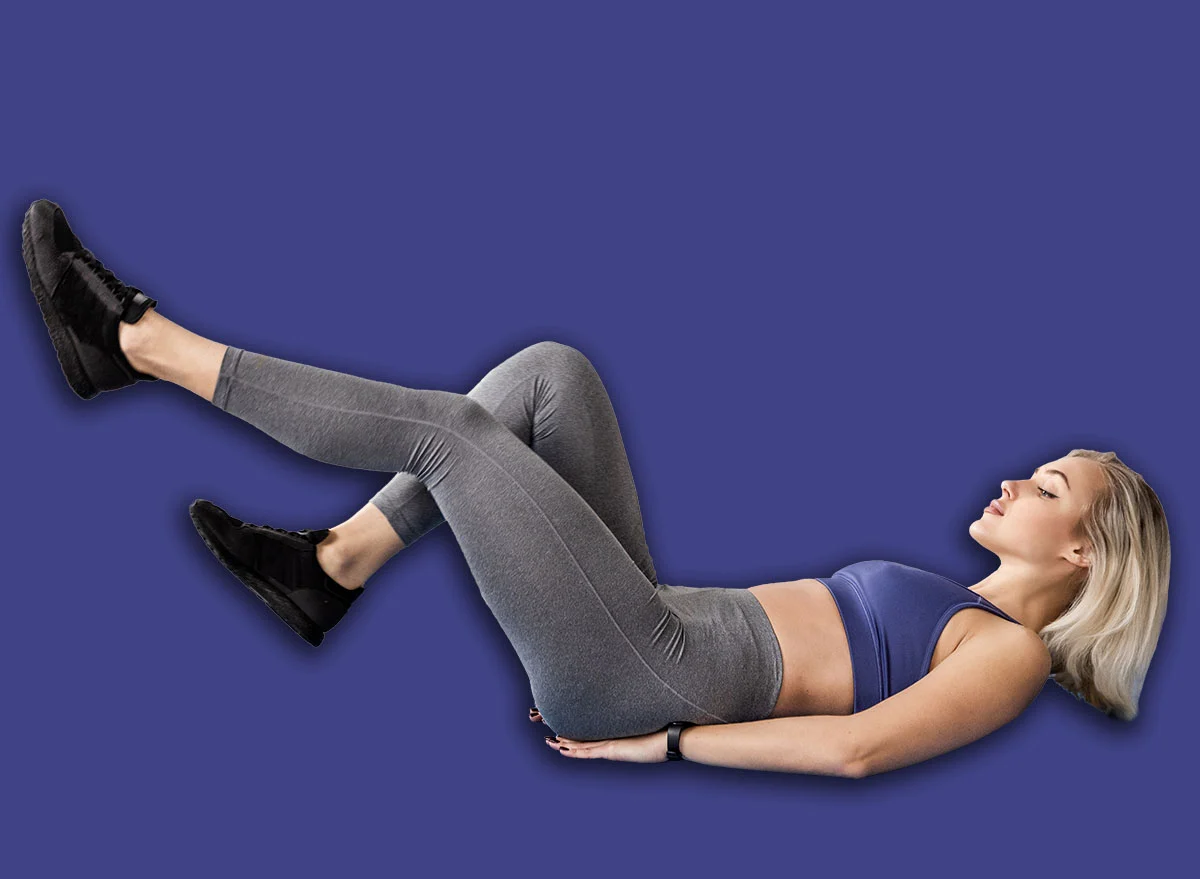
- How to perform: Lie on your back with hands behind your head and legs in a tabletop position. As you lift your shoulder blades off the mat, twist your torso to bring the opposite elbow toward the opposite knee, extending the other leg straight.
6. Double-Leg Stretch
A classic Pilates move that requires significant core control to maintain a stable lumbar spine while the arms and legs move away from the center.
- The Benefit: It trains the body to manage core tension while limbs are extended, which is the ultimate test of abdominal strength.
- How to perform: Hug your knees into your chest. As you inhale, reach your arms overhead and extend your legs outward. As you exhale, circle the arms back to the center and pull the knees back in.
A Chronology of Change
Consistency is the missing ingredient for most people attempting to reduce belly fat. Changes in body composition after 60 do not happen overnight.
- Weeks 1–4: The focus is on neuromuscular adaptation. During this phase, you are teaching your brain to "find" the deep core muscles. You may not see physical changes, but you will likely notice less lower back pain.
- Weeks 5–12: With consistent practice, the muscles begin to increase in tone. As postural habits improve, the midsection appears more supported and the silhouette begins to change.
- Month 3 and Beyond: This is the maintenance phase. By this point, these movements should be integrated into your daily rhythm. The goal is no longer just "fat loss" but the maintenance of a functional, strong, and capable body.
Final Implications
Addressing belly overhang after 60 is an empowering journey that redefines one’s relationship with their body. By acknowledging that the physical changes occurring are natural, one can move away from the frustration of failed "quick fixes" and toward the sustainable reality of strength training.
As experts like Gunderson and Lopez-Lamberty suggest, the objective is to build a body that feels good to live in. By focusing on the deep core, improving posture through glute and back engagement, and maintaining consistent movement, individuals can effectively manage belly overhang, reduce the risks associated with visceral fat, and move through their later years with confidence and vitality.