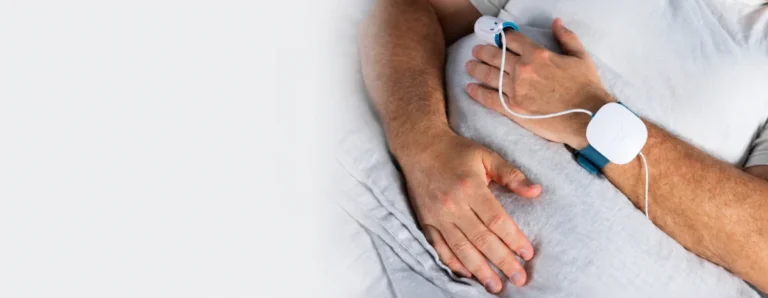
For millions of Americans, the night is not a sanctuary of rest but a battlefield of gasping, choking, and fragmented sleep. Obstructive Sleep Apnea (OSA) is one of the most prevalent yet under-recognized public health challenges in the United States. Despite its high morbidity and link to severe cardiovascular and metabolic conditions, it remains shrouded in outdated stereotypes—often dismissed as merely a “loud snorer’s” nuisance.
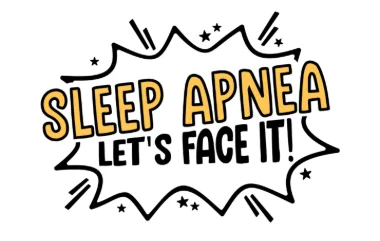
To dismantle these misconceptions and bridge the massive gap between prevalence and diagnosis, the advocacy organization Project Sleep has launched a year-round, high-impact campaign: Sleep Apnea: Let’s Face It! As the nation approaches Sleep Apnea Education Week (April 18–26), this initiative is moving from the periphery to the center stage, calling for a unified front of patients, clinicians, and advocates to reshape the narrative surrounding this chronic, life-altering condition.
The Silent Epidemic: Main Facts and Current Landscape
The statistics regarding sleep apnea are, by any medical standard, alarming. It is estimated that more than 80 million adults in the United States suffer from the condition. Yet, the most jarring figure is that roughly 80% of these individuals remain undiagnosed.
When left untreated, sleep apnea is far more than a source of daytime fatigue. It is a physiological stressor that forces the body to stop breathing repeatedly throughout the night, leading to plummeting oxygen levels and spikes in blood pressure. Chronic OSA is inextricably linked to:
- Hypertension and Cardiovascular Disease: The strain on the heart during nocturnal hypoxic events increases the risk of stroke and heart failure.
- Metabolic Disruption: Untreated apnea is a significant contributor to insulin resistance and Type 2 diabetes.
- Cognitive and Psychological Impacts: The resulting sleep deprivation manifests as severe irritability, memory loss, and a higher propensity for occupational and vehicular accidents.
Project Sleep’s Let’s Face It! campaign was birthed from the recognition that the medical community has failed to reach the "hidden" population—those who do not fit the narrow, stereotypical image of an older, overweight male. By highlighting the diverse, real-world faces of the disorder, the campaign seeks to normalize the diagnostic process and encourage early intervention.
A Chronology of Advocacy: From Awareness to Action
The journey toward systemic change is marked by key milestones in public education. The evolution of this advocacy can be viewed through the lens of recent efforts to bring the disorder into the public consciousness:
- Foundation of the Sleep Apnea Squad: Recognizing the need for peer-to-peer support, Project Sleep introduced the Sleep Apnea Squad, a comprehensive educational series. Led by patient advocate Emma Cooksey, the series provides a roadmap for navigating the complexities of CPAP therapy, titration, and long-term compliance.
- The Launch of Let’s Face It!: Moving beyond clinical data, this campaign focused on the human experience. By inviting individuals to share their stories, the initiative successfully shifted the conversation from "symptoms" to "lives."
- The 2026 Awareness Push: As the calendar turns toward April 2026, the focus has intensified. The upcoming Sleep Apnea Education Week (April 18–26) serves as a strategic inflection point, designed to catalyze national discourse through panel discussions, digital toolkits, and widespread social media engagement.
- Upcoming Milestone (April 21, 2026): A specialized broadcast, Women and Sleep Apnea, will address the gender-based diagnostic gap, exploring why women’s symptoms are frequently misattributed to anxiety or depression, leading to delayed life-saving treatment.
Supporting Data: Why Representation Matters
The reliance on outdated stereotypes is a primary driver of the 80% undiagnosed rate. Many patients—particularly women, people of color, and individuals who do not fit the "obese male" archetype—often face clinical dismissal.
Data shows that symptoms are not uniform. While classic signs include loud snoring and witnessed pauses in breathing, many patients report more subtle indicators: morning headaches, severe "brain fog," persistent irritability, and a feeling of being unrefreshed despite a full night in bed.
Project Sleep’s reliance on user-generated content acts as a corrective to this clinical bias. By downloading the official “Sleep Apnea: Let’s Face It!” sign and participating in social media campaigns with the hashtag #SleepApneaLetsFaceIt, individuals are providing a visual repository of the disorder’s true demographic reach. This grassroots visibility provides social proof that anyone can have sleep apnea, effectively lowering the psychological barrier for those hesitant to seek testing.
Official Responses and Clinical Perspectives
The medical community has increasingly embraced the patient-led approach championed by Project Sleep. Healthcare professionals are now actively participating in the Let’s Face It! campaign, utilizing the provided infographics and fact sheets to educate their patient bases.
"The disconnect between a patient’s experience and the clinical pathway is often where the treatment journey fails," says one clinical partner involved in the campaign. "By providing patients with the vocabulary to describe their symptoms and the confidence to advocate for a sleep study, we are seeing a marked increase in proactive testing."
Project Sleep has provided a comprehensive suite of resources for these clinicians. The available toolkits, downloadable from the organization’s digital library, allow doctors to bridge the communication gap, offering materials that are both medically accurate and patient-friendly. This collaboration between advocacy groups and medical professionals is essential to the campaign’s success.
Implications for Public Health and Policy
The implications of a more informed public are profound. If the diagnostic gap is closed, the economic and societal burden of sleep apnea could be drastically reduced. The cost of untreated sleep apnea to the healthcare system is astronomical, manifesting in frequent hospitalizations for related cardiovascular events and lost workplace productivity.
Furthermore, the "Education that Empowers" model pioneered by Emma Cooksey and the Sleep Apnea Squad emphasizes that diagnosis is only the beginning. The real work—and the real success—lies in patient retention. CPAP comfort, the psychological adjustment to wearing a mask, and the management of daily lifestyle changes are hurdles that many patients fail to clear without proper support. By offering podcasts, video tutorials, and toolkits, the campaign ensures that once a patient is diagnosed, they remain on the path to recovery.
How to Get Involved
As the 2026 Sleep Apnea Education Week nears, the call to action is clear. Whether you are a patient, a family member, or a medical professional, the opportunity to contribute to the mission is accessible and straightforward:
- Participate in the #SleepApneaLetsFaceIt Campaign: Download the official campaign sign, take a photo explaining why you are committed to the cause, and share it on social media platforms.
- Attend the Digital Panels: Mark your calendar for Tuesday, April 21, 2026, at 2 p.m. EDT, for the Women and Sleep Apnea broadcast. This session promises to be a pivotal discussion on the nuances of diagnosis and treatment for female patients.
- Distribute Resources: Utilize the free infographics and fact sheets provided by Project Sleep. Pin them to community notice boards, share them in digital waiting rooms, or provide them to family members who may be suffering in silence.
- Engage with the Community: Follow the Sleep Apnea Squad series. The shared experiences within this community serve as a vital lifeline for those who feel isolated by their diagnosis.
Conclusion: A Future Without Stigma
The Sleep Apnea: Let’s Face It! campaign is more than just an awareness drive; it is a movement to reclaim health, vitality, and safety for millions of Americans. By centering real stories, promoting medical literacy, and fostering a supportive community, Project Sleep is actively dismantling the silence that has surrounded this condition for too long.
As we move toward a future where no one is left to struggle with the exhausting, dangerous reality of untreated sleep apnea, the message is clear: when we face the disorder together, we can overcome it. Through education, advocacy, and the simple act of speaking up, we can ensure that sleep apnea is no longer a silent killer, but a manageable, treatable, and understood condition.
Join the movement this April and help turn the tide on the sleep apnea epidemic. Your voice could be the one that convinces someone else to finally seek the rest they deserve.