






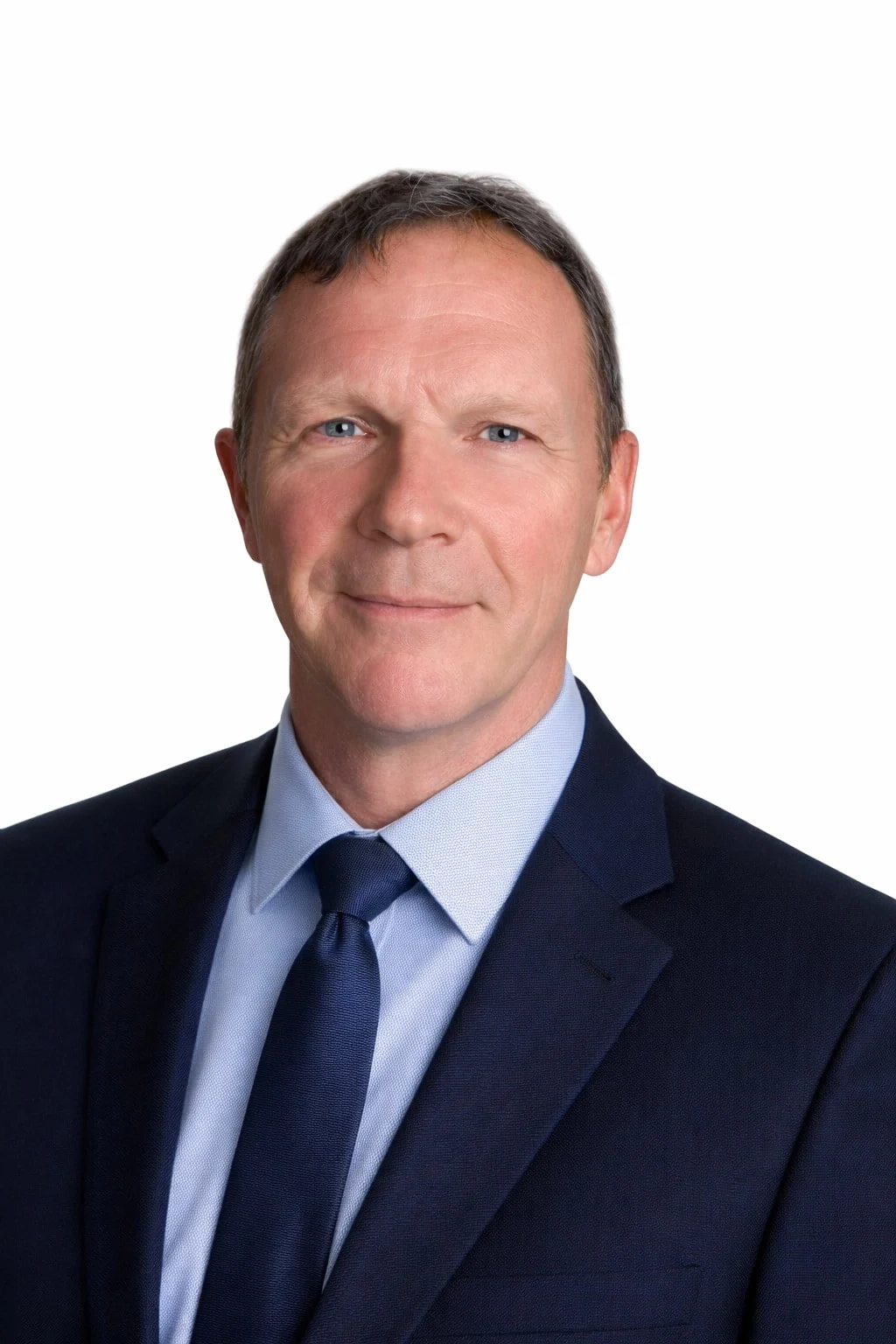
The Alliance for Aging Research has long stood as a vanguard for science-driven advocacy, dedicated to improving the universal human experience of aging. At the heart of this mission lies a commitment to translating complex medical research into tangible policy change. Central to these efforts is Scott Frey, the organization’s Senior Vice President of Public Policy and Government Relations. In this installment of our ongoing staff spotlight series, we delve into the career, motivations, and enduring commitment of a man who has spent nearly four decades navigating the intricate corridors of Washington, D.C., to ensure that aging remains a priority on the national agenda.
The Architect of Advocacy: Main Facts and Role
As the Senior Vice President of Public Policy and Government Relations, Scott Frey serves as the primary bridge between the scientific community and the halls of federal power. His daily responsibilities involve constant engagement with key stakeholders, ranging from advocacy partners to decision-makers within Congress and the Federal Executive Branch.
Frey’s role is not merely transactional; it is deeply strategic. In an era where scientific integrity is frequently challenged, his work ensures that the Alliance’s evidence-based agenda is clearly articulated to those who hold the power to fund research and enact legislation. By positioning the Alliance as a trusted resource for lawmakers, Frey helps ensure that aging is viewed not as an inevitable decline, but as a critical public health frontier that demands innovation, investment, and equity.
A Legacy of Service: The Chronology of a Career
To understand Scott Frey’s dedication to the aging population, one must look at the trajectory that brought him to the nation’s capital. Growing up in central and western Pennsylvania, Frey witnessed firsthand the socioeconomic shifts of the late 20th century.
- 1987: After completing his graduate studies, Frey moved to Washington, D.C., during a period defined by the rapid disappearance of industrial manufacturing jobs. He observed the direct correlation between economic decline and the erosion of retirement security for his community. This formative period solidified his belief that policy is the most effective tool for social change.
- Early Career: Frey cut his teeth in Congressional offices, where he became an early advocate for health equity. Notably, he was part of the legislative effort to correct deep-seated inequities in women’s health research—a campaign that eventually led to historic expansions in breast cancer detection and treatment funding.
- The Modern Era: After a distinguished career in the public sector, Frey brought his expertise to the Alliance for Aging Research. He has spent the last one year and eight months refining the organization’s federal advocacy strategy, applying lessons learned over decades of legislative battles.
The Moral Imperative: Supporting Data and Personal Motivation
Frey’s commitment is deeply rooted in a promise made to his grandmother. Upon his graduation, she issued a simple but profound request: "Go down there to Washington and fight for us older folks." That mandate has remained the bedrock of his professional identity.
The urgency of this work is supported by shifting demographic data. As the global population ages, the prevalence of age-related conditions—including neurodegenerative diseases, cardiovascular issues, and sensory decline—is reaching an inflection point. The economic implications are equally staggering; the burden of chronic disease management on the federal budget underscores why Frey’s push for increased funding for aging research and geriatric education is not just a moral imperative, but a fiscal necessity.
Official Perspectives: Navigating the Policy Landscape
When asked about his favorite project, Frey resists the urge to choose, comparing the task to "choosing a favorite child." Instead, he emphasizes the broader struggle to defend public trust in science.
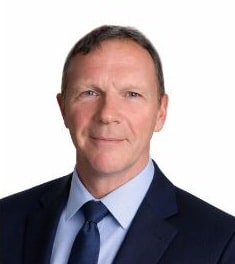
"It is rewarding and exciting to share a part in the fight to ensure science-driven public policy," Frey notes. "At a time when these imperatives are under serious attack—both outside and within the federal government—the Alliance’s work serves as a necessary bulwark."
Frey’s advocacy is deeply informed by the patients he has encountered throughout his career. From his early days fighting for women’s health to his current work with the Alliance, he has maintained a close relationship with those who transform their own health battles into advocacy. "It’s been my honor to know and befriend so many patients and families who chose to channel their personal healthcare battles into a fight for positive change," he says. "Their efforts made all the difference, and their stories continue to inspire me."
Implications for Healthy Aging
Frey’s outlook on the future of aging is remarkably optimistic, fueled by the rapid pace of medical innovation. He believes that we are currently on the cusp of a revolutionary era in biotechnology and medical science.
Embracing the "New Normal" of Longevity
"Much of the work I began so many years ago is coming to fruition," Frey explains. "Yet, it’s never finished, and every success brings new challenges. Embracing new challenges is critical to healthy aging." This perspective is central to the Alliance’s philosophy: that healthy aging is a dynamic process of adaptation. By focusing on scientific breakthroughs—ranging from cellular rejuvenation therapies to better management of chronic diseases—Frey aims to create a world where longevity is matched by vitality.
Literary Foundations
When not navigating the complexities of Capitol Hill, Frey finds solace in literature that reflects the absurdities and complexities of the human condition. His favorites include the satirical mastery of Joseph Heller’s Catch-22, the social commentary of Kurt Vonnegut, and the timeless profundity of Shakespeare. For his younger family members, he gravitates toward the whimsical empathy found in the works of A.A. Milne and Maurice Sendak. These choices reflect a man who values both the rigor of the intellect and the warmth of human connection.
Conclusion: The Unfinished Work
As Scott Frey continues his tenure at the Alliance for Aging Research, he remains acutely aware that his work is a relay race. The policies he helps shape today—whether they concern drug development pipelines, the training of geriatric specialists, or the protection of Medicare beneficiaries—will define the quality of life for millions of Americans for decades to come.
His journey from a young man in Pennsylvania to a veteran policy expert in D.C. serves as a powerful reminder that the most significant societal changes are often the result of quiet, persistent advocacy. By honoring his grandmother’s request and dedicating his career to the health and dignity of older adults, Frey ensures that the "universal human experience of aging" is one defined by opportunity, discovery, and respect. As he moves forward, he continues to advocate for a future where medical science and public policy align, ensuring that everyone has the chance to live their later years not just longer, but better.