






For millions of individuals living with obstructive sleep apnea (OSA), Continuous Positive Airway Pressure (CPAP) therapy is the gold standard for treatment. However, the efficacy of this life-saving intervention is often undermined by a persistent, common obstacle: user discomfort. Traditional bed pillows, while comfortable for the general population, are often the primary culprits behind mask displacement, disruptive air leaks, and painful facial pressure marks.
As sleep medicine continues to evolve, the industry has recognized that the hardware of therapy—the mask and hose—requires a specialized environment to function optimally. Enter the CPAP-specific pillow: a purpose-built accessory engineered to bridge the gap between clinical necessity and nightly comfort.
The Intersection of Therapy and Ergonomics: Main Facts
Standard pillows are designed for head and neck support, but they rarely account for the rigid frame or protruding cushion of a full-face or nasal CPAP mask. When a patient turns their head, a standard pillow often forces the mask out of position, breaking the delicate seal against the skin. This leads to "mask shifting," which not only causes the telltale hissing sound of an air leak but also triggers the CPAP machine’s pressure sensors, potentially compromising the therapeutic efficacy of the breath-by-breath delivery.
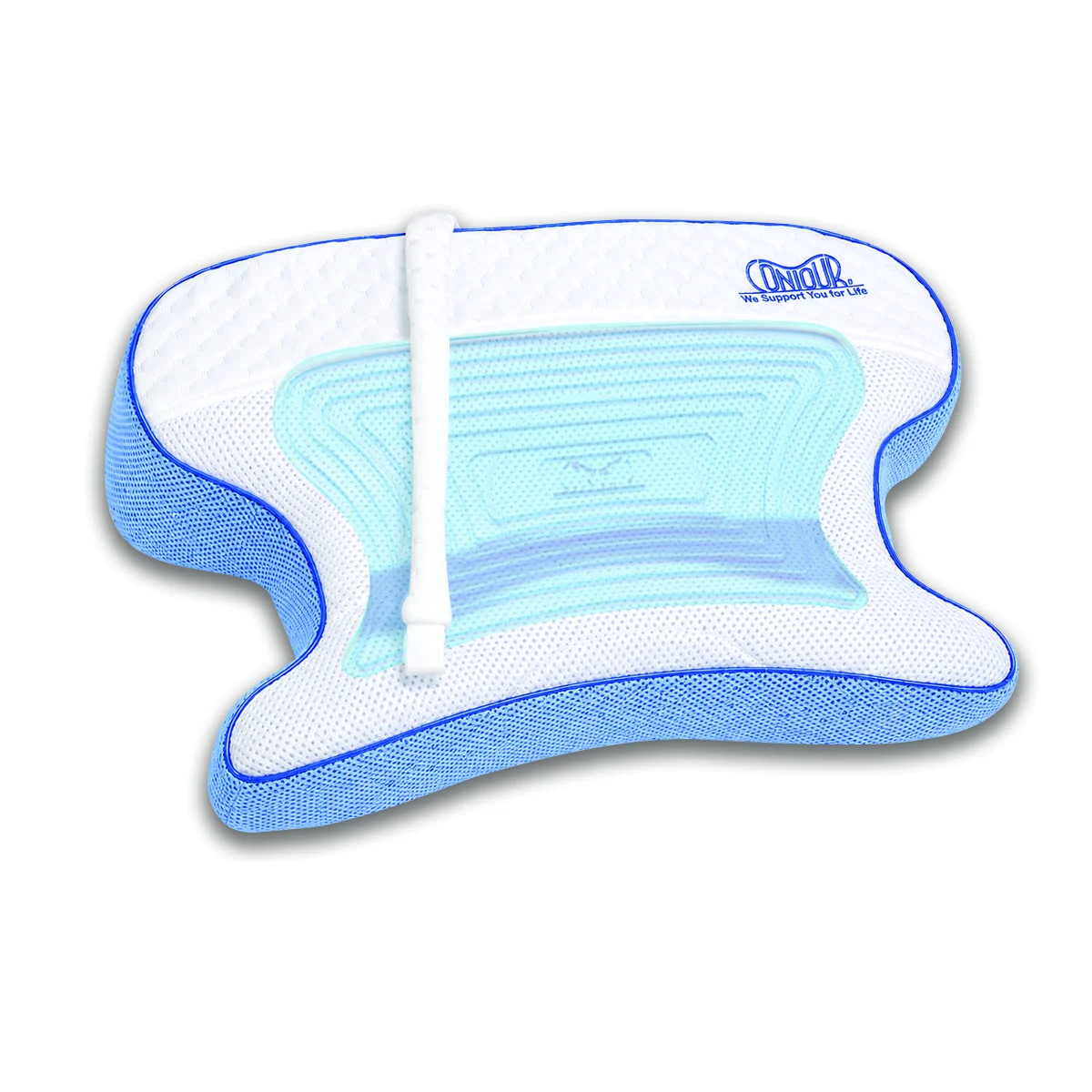
CPAP-specific pillows address these mechanical challenges through several key design innovations:

- Anatomical Cutouts: Strategic voids on the sides of the pillow allow the mask to "hang" off the edge, preventing the pillow from pushing the mask against the user’s face.
- Adjustable Loft: Because every sleeper has different shoulder widths and neck lengths, the ability to adjust the height of the pillow is crucial for maintaining proper airway alignment.
- Hose Management: Many advanced models feature tethers or channels to secure the CPAP tubing, preventing the weight of the hose from pulling on the mask during the night.
- Cooling Technologies: CPAP users often report feeling overheated due to the combination of mask contact and the machine’s airflow. Specialized materials, such as charcoal-infused foams and cooling gel insets, are increasingly common in this product category.
A Brief Chronology of CPAP Comfort Evolution
The history of the CPAP pillow is a reflection of the broader history of CPAP therapy itself. In the early days of OSA treatment (the 1980s and early 1990s), the focus was almost entirely on the mechanical delivery of pressurized air. Comfort was secondary to survival.
As adherence rates began to falter, clinical research shifted toward "patient-centered outcomes." By the late 1990s and early 2000s, durable medical equipment (DME) providers began fielding complaints about facial sores and skin breakdown. The first-generation CPAP pillows were rudimentary—often just foam blocks with simple indentations.
The last decade has seen a rapid acceleration in design sophistication. The "modern era" of these pillows, represented by the current market offerings as of mid-2026, focuses on materials science. The integration of high-resilience, charcoal-infused memory foam and dual-sided cooling fabrics marks a shift from simple "support" to "sleep system optimization." Today, these pillows are no longer viewed as mere accessories, but as integral components of a successful, long-term adherence strategy.
Supporting Data: Comparing the Market Leaders
The current marketplace is defined by a diverse range of products, each catering to specific anatomical needs and travel habits. Sleep Review’s latest data highlights five industry-standard models:

| Pillow | Core Materials | Key Differentiator |
|---|---|---|
| Contour CPAPMax | Memory/High-Resilience/Charcoal foam | Extreme adjustability (firmness/height) |
| CoolPAP | Memory foam & cooling gel | Travel-ready, compact, rollable |
| CPAP CoolFlex | Memory foam & cooling gel | Flexible neck/positioning support |
| Core CPAP Pillow | Cotton/Polyester fill | Made in USA, side-sleeper focus |
| The Kakar Pillow | High-density memory foam | Ergonomic, low-profile design |
The data reveals that there is no "one size fits all" solution. For instance, the Contour CPAPMax (3.19 lbs) is a robust, feature-heavy option for the stationary sleeper who needs to fine-tune their loft, while Dr. Kakar’s namesake pillow offers a lighter (0.25 lbs) and more streamlined experience for those who prioritize simplicity.
Furthermore, the materials vary significantly. While memory foam is the industry standard for contouring, the Core CPAP Pillow utilizes a cotton/polyester fill, providing a more traditional, "plush" feel that many patients prefer over the firm, slow-reacting nature of synthetic foam.
Official Perspectives and Clinical Implications
Clinicians, including sleep technicians and respiratory therapists, often view these pillows as "troubleshooting tools." When a patient returns to a sleep center complaining of recurring leaks, the first question is rarely about the machine settings; it is often, "What kind of pillow are you using?"
"The goal of CPAP therapy is to remove the barrier to sleep, not create new ones," notes one industry analyst. "If the patient is fighting their pillow every time they roll over, they are likely to remove their mask in their sleep—a phenomenon we call ‘unconscious removal.’ By stabilizing the mask, these pillows effectively increase the patient’s ‘Time on Therapy,’ which is the most critical metric for long-term health outcomes."

The clinical implications are profound. Higher adherence rates correlate directly with reduced risks of cardiovascular disease, stroke, and daytime hypertension. By mitigating the physical irritants associated with CPAP, these pillows serve a preventive health function that extends far beyond simple comfort.
Addressing the Challenges of Adherence
Despite the clear benefits, adoption is not universal. Some patients find the transition to a contoured pillow jarring, particularly those who have used standard down or feather pillows for decades. The adjustment period typically lasts between three to seven nights.
Moreover, there is a recurring debate regarding cost. While a basic bed pillow can be purchased for a nominal fee, specialized CPAP pillows range from $49.99 to $99.99. For many patients on fixed incomes, this is a significant barrier. However, when viewed as an investment in the health of one’s CPAP therapy—which costs thousands of dollars in equipment and medical visits—the cost-to-benefit ratio remains favorable.
Future Outlook: What’s Next?
As we look toward the remainder of the decade, the focus of CPAP pillow design is expected to shift toward "smart" integration. Researchers are currently exploring the use of pressure-sensitive materials that could potentially provide feedback to the CPAP machine, alerting the user to leaks via their smartphone or integrated bedside displays.

Furthermore, there is a growing demand for eco-friendly materials. As the medical industry faces pressure to reduce its carbon footprint, expect to see more pillows utilizing organic cotton, bamboo-derived fibers, and sustainable, recycled foams that do not compromise on the rigidity required for mask support.
Conclusion
The evolution of the CPAP pillow is a testament to the fact that medical treatment must be sustainable to be effective. By acknowledging that the physical interface between the patient and the machine is a significant friction point, the industry has empowered users to take control of their sleep hygiene. Whether it is the travel-friendly design of the CoolPAP or the highly adjustable nature of the CPAPMax, these tools are proving that the difference between a restless night and a restorative one often comes down to the support beneath one’s head.
Patients struggling with their current therapy regimen are encouraged to consult with their healthcare providers regarding these accessories. Sometimes, the key to better breathing is not in the machine, but in the pillow.
Data contained in this report is provided by the manufacturers. For those interested in evaluating these products, please consult with your sleep specialist to ensure the pillow’s loft and dimensions align with your specific mask interface and sleeping style. Last updated: May 2026.