









By Investigative Health Desk
Updated July 18, 2026
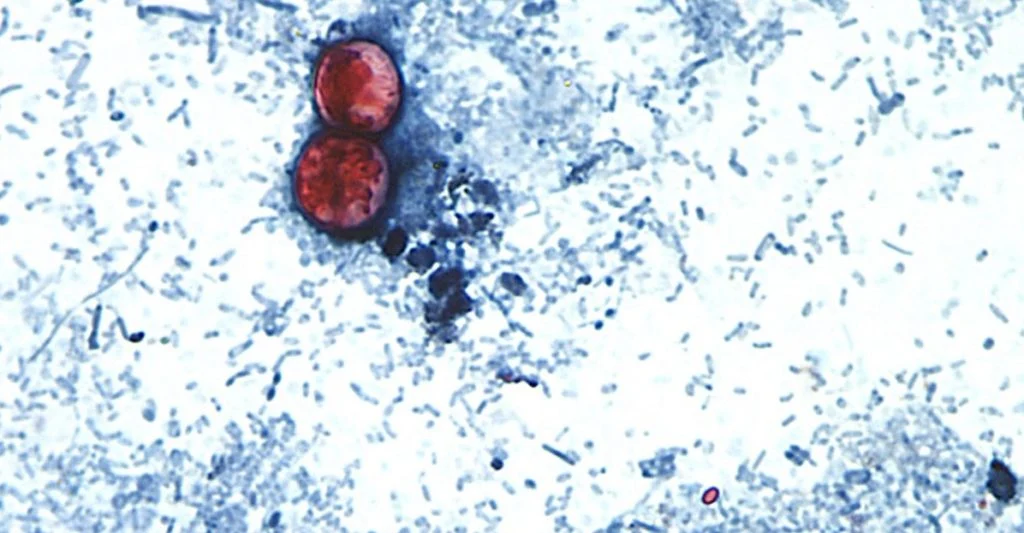
A major food safety crisis has widened significantly as Taylor Farms, one of the nation’s largest suppliers of produce, announced an expanded voluntary recall of iceberg lettuce products sourced from central Mexico. The move comes in response to a surging multistate outbreak of Cyclospora cayetanensis, a microscopic parasite that has caused a dramatic spike in gastrointestinal illnesses across the United States throughout the summer of 2026.
The recall, which involves 25 different shredded lettuce and salad mix products sold under eight distinct brand codes, affects distribution centers across 27 states, including major hubs in Texas, Florida, Pennsylvania, Illinois, and New Jersey. As health officials scramble to contain the pathogen, the scale of the outbreak—now reaching into the thousands of cases—has prompted urgent warnings from the Centers for Disease Control and Prevention (CDC) and a massive logistical pivot by food distributors like Sysco.
Main Facts: The Scope of the Contamination
The current health emergency centers on Cyclospora, a parasite typically associated with produce that has been irrigated or washed in water contaminated with human fecal matter. Unlike bacterial pathogens such as E. coli or Salmonella, Cyclospora is notoriously difficult to detect and can cause prolonged, debilitating illness.
Taylor Farms, based in California, confirmed on Friday that they have identified the implicated lot in central Mexico and have ceased all procurement from that specific source. However, the reach of the tainted produce is extensive. The recalled products were shipped as recently as Thursday, July 16, and carry "best by" dates extending as late as August 3, 2026. This creates a significant window of risk for consumers who may have already purchased these items for home consumption.
Sysco, the largest food distributor in the United States, has taken the aggressive step of halting the distribution of all Taylor Farms iceberg lettuce products originating from Mexico. They have issued a directive to all clients and retail partners to immediately destroy any remaining inventory, signaling a lack of confidence in the integrity of the supply chain for that specific region.
Chronology: From Taco Bell to National Crisis
The current outbreak did not emerge in a vacuum; it has been a developing story over the past several weeks.
- Early July 2026: Health officials in the Midwest began noticing a cluster of gastrointestinal illnesses. Epidemiological interviews with patients repeatedly pointed toward Taco Bell restaurants as the common point of exposure.
- July 14, 2026: Federal investigators confirmed that lettuce supplied to Taco Bell locations in five states—Indiana, Kentucky, Michigan, Ohio, and West Virginia—was the definitive source of the Cyclospora infections.
- July 15, 2026: Taco Bell issued a national statement confirming they had worked "swiftly" to remove the contaminated ingredient from their supply chain across all U.S. locations, effectively sanitizing their menus.
- July 17–18, 2026: As investigations moved upstream from the restaurants to the farms, the focus shifted to Taylor Farms. Recognizing that the contamination was not limited to a single restaurant chain’s supply, Taylor Farms announced their voluntary recall, acknowledging that their iceberg lettuce sourced from central Mexico was the primary vector.
Supporting Data: An Unprecedented Spike in Illness
The statistical data surrounding the 2026 Cyclospora outbreak is deeply concerning to public health experts. According to the latest figures released by the CDC, the number of confirmed cases has reached at least 1,645 individuals. Of those, 141 have been hospitalized due to the severity of their symptoms.
Most alarmingly, the CDC is currently investigating more than 5,000 additional reports of illness that may be linked to this specific outbreak. To put this in perspective, the situation is drastically worse than in previous years. At this same point in 2025, only 249 cases had been reported nationwide. This represents an exponential increase that has strained local health departments and urgent care facilities across the country.
Cyclospora symptoms are severe and persistent. The parasite causes intestinal illness characterized by watery, "frequent and sometimes explosive" bowel movements. Patients often report loss of appetite, weight loss, severe abdominal cramps, bloating, nausea, and fatigue. Left untreated, the infection can last for weeks or even months, with a high propensity for relapses.
Official Responses and Corporate Responsibility
The response from both the private sector and federal regulators has been a mix of damage control and aggressive sanitation efforts.
The Taco Bell Response
Taco Bell has maintained a posture of full cooperation with the CDC and the Food and Drug Administration (FDA). In their Friday statement, the company emphasized that they had proactively removed the implicated lettuce nationwide, even in states where no illness clusters had yet been reported. This "precautionary principle" is intended to restore consumer confidence in a brand that relies heavily on fresh produce.
The Taylor Farms Statement
Taylor Farms has been more guarded regarding the specific details of the recall. While they acknowledged the "implicated products," they declined to provide a comprehensive list of the specific brand names or retail outlets where the produce was sold, citing ongoing investigations. This has left many consumers in a state of confusion, unsure if the salad mix in their refrigerator is part of the recall.
CDC and FDA Oversight
Federal investigators are currently conducting environmental assessments at the farms in central Mexico. The primary challenge remains the nature of the Cyclospora life cycle. The parasite is hardy, and because it is often tied to irrigation water, it is notoriously difficult to wash off produce. Unlike bacteria, which can be killed by thorough cooking, the parasite is often consumed in raw produce, where it remains protected by the cellular structure of the lettuce leaves.
Implications: The Fragility of the Fresh Produce Supply Chain
This outbreak raises critical questions about the globalization of the food supply and the oversight of international produce sourcing.
Economic Impact
For the agricultural sector, the financial implications are staggering. The cost of destroying inventory, the loss of shelf space at major retailers, and the potential legal liabilities are expected to reach into the millions. For smaller produce distributors, a recall of this magnitude can be catastrophic.
Consumer Safety and Awareness
The 2026 outbreak serves as a stark reminder to consumers that "fresh" does not always equate to "safe." Public health experts are reminding the public that while washing produce is a good practice, it is often ineffective against Cyclospora if the contamination occurred at the field level through irrigation.
"We are dealing with a systemic failure in the supply chain," said one independent food safety consultant. "When you source from a region where water management practices are not strictly audited to international standards, the risk of fecal contamination is always present. The sheer volume of cases this year suggests that the problem in this specific region of Mexico may have been chronic rather than an isolated incident."
Looking Ahead
The CDC continues to urge anyone experiencing symptoms of Cyclospora—particularly persistent, watery diarrhea—to seek medical attention. Doctors are advised to specifically request a test for Cyclospora, as it is not included in standard, routine stool cultures.
As the investigation continues, the focus will likely turn toward more stringent import requirements for produce coming from Mexico. With 5,000 cases still under investigation, the final tally of this outbreak is likely to make 2026 one of the most significant years for foodborne illness in recent American history.
For now, the mandate from health officials is clear: if you have shredded iceberg lettuce in your kitchen and you are unsure of its origin, the safest course of action is to discard it immediately. The risk of contracting a parasitic infection that can sideline an individual for weeks far outweighs the cost of replacing a bag of salad.
This is a developing story. Stay tuned for updates as federal agencies release more specific information regarding the affected brand names.