






WASHINGTON — Federal health regulators have sounded the alarm over a widespread food safety issue involving a popular pasta condiment. The U.S. Food and Drug Administration (FDA) has officially confirmed a voluntary recall of alfredo sauce distributed across dozens of states, citing potential contamination with Salmonella, a pathogen that poses a significant risk to public health.
The recall, initiated by The Coffee Connexion Co. Inc., based in Lebanon, Tennessee, underscores the vulnerabilities within the modern food supply chain, particularly regarding the safety of raw ingredients sourced from third-party suppliers. As investigations continue, health experts are urging consumers and commercial kitchens to verify their inventories immediately.
Main Facts: Scope and Severity
The FDA’s enforcement report, published in mid-June 2026, details a substantial recall involving 913 cases of alfredo sauce. Each case contains 12 sealed bags, with each bag weighing approximately 3.3 pounds (1.5 kilograms). This brings the total volume of potentially contaminated product to nearly 36,000 pounds of sauce currently circulating or potentially already consumed within the U.S. market.
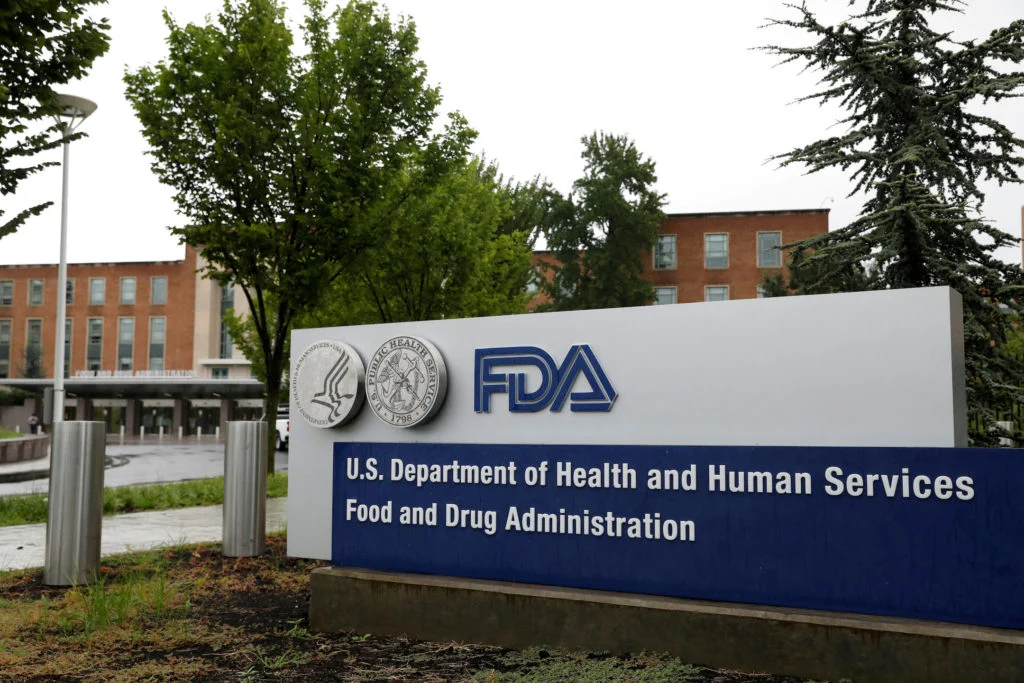
The recall has been classified by the FDA as a "Class I" event. This is the agency’s most serious designation, reserved for situations where there is a "reasonable probability that the use of, or exposure to, a violative product will cause serious adverse health consequences or death."
The root cause of the contamination has been traced to a dry milk powder ingredient used in the production of the sauce. While the manufacturer, The Coffee Connexion Co. Inc., has taken voluntary steps to remove the product from shelves, the widespread distribution network means the reach of this contamination is extensive, affecting numerous states.
Chronology of the Recall
The timeline of this safety breach highlights the complexities of modern food manufacturing and the subsequent response time required to mitigate public health risks.
- Initial Discovery: Following internal quality control checks and reports of ingredient-level concerns, the manufacturer identified the potential for Salmonella contamination linked to a specific batch of dry milk powder.
- Voluntary Recall Initiation: In May 2026, The Coffee Connexion Co. Inc. formally began the process of recalling the affected product, working in conjunction with the FDA to notify distributors and retailers.
- FDA Enforcement Designation: By early June 2026, the FDA completed its initial review of the hazard, officially categorizing the action as a Class I recall.
- Public Notification: On June 15, 2026, the FDA finalized its public enforcement report, bringing the issue to the attention of consumers and foodservice operators nationwide.
Supporting Data: Understanding Salmonella
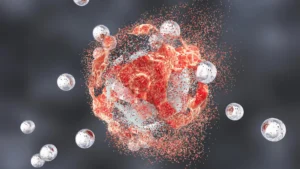
Salmonella remains one of the most common causes of foodborne illness in the United States. According to the Centers for Disease Control and Prevention (CDC), the bacteria typically colonize the intestinal tract. Infection, known as salmonellosis, is characterized by a range of gastrointestinal distress.
Clinical Manifestations
Symptoms usually manifest between 12 and 72 hours after ingestion of contaminated food. The most common indicators include:
- Diarrhea: Often acute and occasionally bloody.
- Fever: Frequently accompanied by chills.
- Abdominal Cramps: Ranging from mild discomfort to severe, localized pain.
In healthy adults, the illness typically resolves within four to seven days without the need for medical intervention. However, the pathogen poses a disproportionate risk to "at-risk" populations. Children under the age of five, adults over the age of 65, and individuals with compromised immune systems (such as those undergoing chemotherapy or living with chronic conditions like diabetes or HIV) are at a heightened risk for severe, invasive infections. In these cases, the bacteria can escape the intestines and enter the bloodstream, potentially leading to arterial infections, endocarditis, or arthritis, requiring hospitalization and aggressive antibiotic therapy.
Official Responses and Corporate Accountability
The Coffee Connexion Co. Inc. has yet to issue a public statement regarding the specific supplier of the tainted milk powder or the exact nature of their internal testing protocols. Attempts by the Associated Press to reach company leadership for comment on Monday were unsuccessful.
The FDA, as the primary regulatory body, is currently tasked with overseeing the efficacy of the recall. While the agency has not provided a granular map of the specific states affected, it has directed all retailers and commercial distributors to stop the sale and use of the product immediately.
"The FDA’s priority is to ensure that the food supply remains safe," said an agency spokesperson, though they did not immediately respond to requests for further information regarding whether any illnesses have been officially linked to this specific batch of sauce. Regulatory experts suggest that the FDA is likely currently auditing the manufacturer’s documentation to determine how the contaminated ingredient entered the facility and whether existing Hazard Analysis and Critical Control Point (HACCP) plans were sufficient.
Implications for the Food Industry
This incident serves as a stark reminder of the "ingredient-dependency" risk in the food industry. When a manufacturer uses a processed ingredient like dry milk powder, they are often reliant on the safety certifications of upstream suppliers. If those upstream suppliers experience a contamination event, the "downstream" manufacturer becomes the primary point of recall, often absorbing the financial and reputational damage.
The Role of Transparency
Food safety advocates have long argued that greater transparency in the supply chain is necessary to prevent such outbreaks. The use of blockchain technology to track ingredients from farm to factory is becoming a topic of intense discussion, as it would allow for near-instant identification of contaminated lots, rather than relying on the current, often slow, reporting mechanisms.
Consumer Guidance
For consumers who may have purchased products containing this alfredo sauce—or for restaurant owners who keep large-scale supplies—the directive is clear:
- Do Not Consume: Do not eat, serve, or sell the recalled alfredo sauce.
- Check Labels: Review the packaging for lot numbers or manufacturing dates that correlate with the FDA’s recall list on the official government website.
- Proper Disposal: If the product is identified, it should be disposed of in a manner that prevents others from consuming it.
- Sanitize: Thoroughly clean any surfaces, utensils, or storage containers that may have come into contact with the sauce to prevent cross-contamination.
As the industry grapples with this recall, the incident will likely lead to renewed calls for stricter oversight of dry dairy product manufacturing and increased requirements for third-party ingredient testing. For now, the focus remains on containment and ensuring that no further illnesses are linked to the tainted supply.
A System Under Scrutiny
The recall of this alfredo sauce is not an isolated event but rather a reflection of the broader challenges facing the FDA. With a globalized food supply chain, the agency is tasked with monitoring millions of tons of imported and domestic food products. The incident highlights that despite stringent regulations, gaps in the system persist.
The FDA’s role as the "cornerstone of a healthy democracy" in terms of food safety is often debated. While proponents of the agency argue that it provides essential protection, critics suggest that the response times to recalls—which can sometimes take weeks—leave the public vulnerable.
As we move further into 2026, the industry is watching closely to see how The Coffee Connexion Co. Inc. handles the aftermath. The company faces not only the logistical nightmare of a nationwide recall but also the potential for legal action from affected consumers and increased scrutiny from regulators.
In the meantime, the public is encouraged to stay informed via the FDA’s official recall portal. Maintaining vigilance in the kitchen, observing proper hygiene, and staying aware of public health alerts are the best defenses against the invisible threat of foodborne pathogens like Salmonella.
This report is part of an ongoing investigation into food safety standards. For the latest updates on this recall, please subscribe to our Science and Health newsletter.