








In a wide-ranging news cycle this Tuesday, the international community faces a convergence of public health challenges, educational policy shifts, and a significant escalation in geopolitical volatility. From the loss of "measles-free" status in the United States to a violent maritime incident in the Strait of Hormuz and a landmark earnings report from the titan of the AI industry, the day’s events underscore the fragility of long-held stability—both in biology and global security.
1. Public Health Crisis: The End of Measles Elimination Status
In a sobering announcement, the Pan American Health Organization (PAHO) has declared that the United States, alongside Mexico and Bolivia, is no longer considered a "measles-free" nation. This designation, once a point of pride for public health officials, serves as a stark reminder that diseases previously under control can reemerge if vaccination coverage falters.
The Science of Contagion
Dr. Jarbas Barbosa, speaking on behalf of PAHO, emphasized that the elimination of a disease is not a permanent achievement. "Measles is one of the most contagious diseases in the world," Dr. Barbosa stated through an interpreter. "Measles’ elimination is not a trophy that is won once and placed on a shelf. It is an achievement that must be safeguarded every day by closing immunity gaps and ensuring we reach every community."
Official Responses and Implications
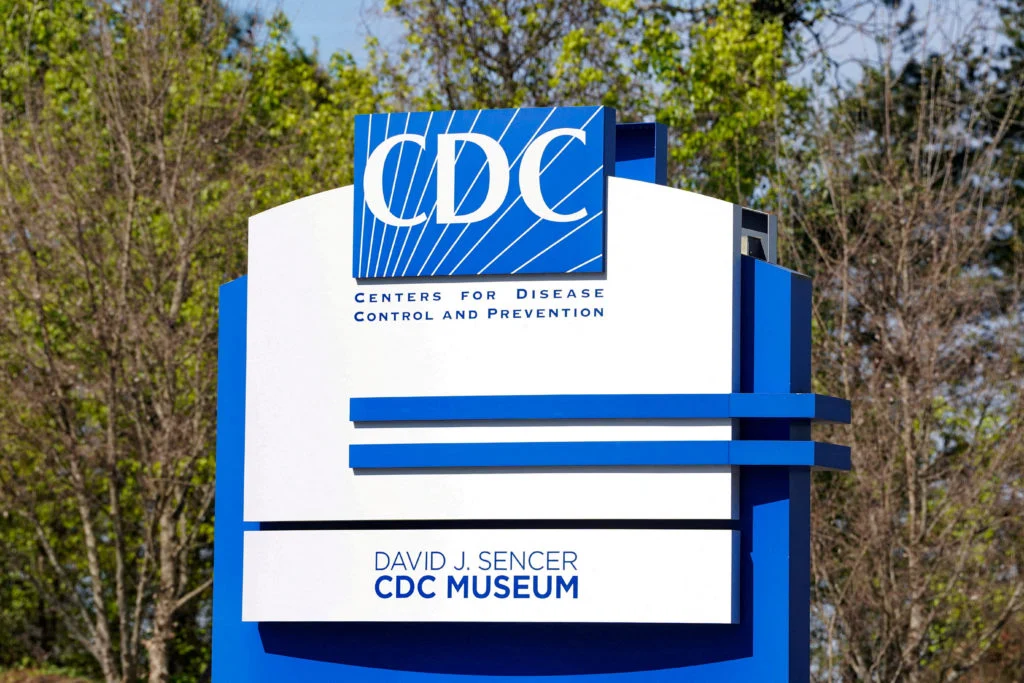
While the loss of this status is largely symbolic, the implications are profound. PAHO has mandated that the affected nations submit comprehensive strategic plans within the coming weeks to curb transmission. CDC Director Dr. Erica Schwartz reiterated that the current infection rate—the highest in the U.S. in over 30 years—is concentrated almost entirely among unvaccinated populations. The reemergence suggests a growing skepticism toward traditional immunization programs, prompting health authorities to pivot toward more aggressive outreach and education strategies to restore herd immunity.
2. Educational Policy: The Impact of Digital Distraction
As schools grapple with the ubiquity of mobile technology, a pioneering study from Harvard University has provided quantitative weight to the argument for classroom phone bans.
Study Methodology and Findings
The report, which represents the first nationwide assessment of its kind, analyzed standardized test scores in math and reading across 4,600 schools, encompassing over three million students. The results indicate that strict cell phone bans—specifically those utilizing lockable pouches—result in "modest improvements" in academic growth.
According to the researchers, these policies restore the equivalent of one to two weeks of instructional time per year. While this accounts for only about half of the total decline in test scores observed over the last decade, it suggests that physical detachment from digital devices is a meaningful lever for academic recovery. The findings are expected to influence school board policies across the country as administrators search for evidence-based interventions to combat the post-pandemic learning slide.
3. Geopolitical Flashpoints: Conflict in the Middle East and Ukraine
The global security landscape faced multiple shocks today, centered primarily on the Strait of Hormuz and the ongoing conflict in Ukraine.
The Strait of Hormuz Incident
Maritime monitors reported a catastrophic event in the Strait of Hormuz, where a gas tanker was struck by multiple projectiles, resulting in a massive inferno. The crew was forced to abandon ship off the coast of Oman. In a related development, Bahrain reported the interception of a flurry of Iranian drones targeting a U.S. radar facility. While U.S. Central Command confirmed that there were no injuries or damage to American assets, the incident has ratcheted up regional tensions.
Military Strain and Mental Health
The deployment of the USS Theodore Roosevelt as a third carrier group in the region has intensified discussions regarding the strain on the U.S. Navy. During a Senate Armed Services Committee hearing, Acting Secretary of the Navy Hung Cao addressed the controversial issue of mental health during long deployments.
Reflecting on the record-setting duration of the USS Lincoln at sea, Cao defended the Navy’s support systems, framing suicide attempts as "suicide mitigations." He argued that the presence of chaplains, resiliency counselors, and mental health specialists prevented further tragedies. Despite the strain on resources, Cao maintained that the current deployment strategy serves as a critical deterrent against global adversaries, specifically China.
Escalation in Ukraine
In the theater of the Ukraine-Russia war, President Volodymyr Zelenskyy reported an "unprecedented" strike on the 12-mile Kerch Bridge. The bridge, which serves as a vital logistics artery for the Russian military, was targeted by a combination of drones and missiles. Footage from Ukraine’s security services confirmed that a section of the roadway was severed, though the railway remains operational. The Kremlin has vowed to repair the infrastructure, while retaliatory Russian strikes on Kyiv have resulted in civilian casualties and damage to bridges within the Ukrainian capital.
4. Economic Turbulence: The AI Boom vs. Market Reality
The divergence between the performance of individual corporate giants and the broader economy was on full display Tuesday.
Nvidia’s Record-Breaking Performance
Nvidia, the undisputed leader in the artificial intelligence sector, shattered market expectations in its first earnings report since the departure of CEO Jensen Huang. The company posted revenues of nearly $116 billion, doubling its performance from the previous year. Nvidia’s bullish outlook for the current quarter suggests that the corporate appetite for AI infrastructure remains insatiable, even as the broader economic climate grows colder.
Wall Street Struggles
In contrast to the tech sector’s optimism, the broader markets suffered a significant correction. The Dow Jones Industrial Average plummeted by nearly 850 points, while the Nasdaq shed three-quarters of a percent. The S&P 500 concluded the day at its lowest point since July. Analysts attribute this volatility to a combination of geopolitical uncertainty, persistent inflation concerns, and a rotation out of overextended equity positions.
5. Nature’s Rhythms: The Red Crab Migration
Amidst the headlines of geopolitical strife and economic downturn, the natural world provided a rare moment of wonder. On Australia’s Christmas Island, the annual migration of tens of millions of red crabs—the "Ruby Red Rush Hour"—has begun.
Driven by the phases of the moon, the crustaceans make an arduous journey from the island’s interior forests to the ocean to breed. Local authorities have implemented extensive measures, including road closures and the construction of specialized bridges, to facilitate the crabs’ safe passage. Naturalist David Attenborough famously described the phenomenon as a "great scarlet curtain" moving down the cliffs toward the sea, a sight that serves as a timely reminder of the enduring cycles of the natural world, even as human affairs remain in a state of flux.
Summary of Implications
The events of the last 24 hours suggest a world in transition. The loss of measles-free status highlights the dangers of social fragmentation in public health, while the classroom study reveals the ongoing struggle to adapt to the digital age. Simultaneously, the escalation in the Middle East and Ukraine signals that military tensions are not merely localized, but represent a global challenge to logistics and regional stability. As investors grapple with a volatile market, the contrast between the tech-fueled growth of companies like Nvidia and the wider market’s fear reflects an economy searching for a new equilibrium. Whether in the halls of government, the classroom, or the front lines of a conflict, the day has reinforced that stability—be it biological, social, or geopolitical—is a fragile commodity requiring constant, proactive maintenance.